
SPACE November 2026 (No. 708)
THEME 3. Structure and Technology
How Are Large-Scale Spaces Created?
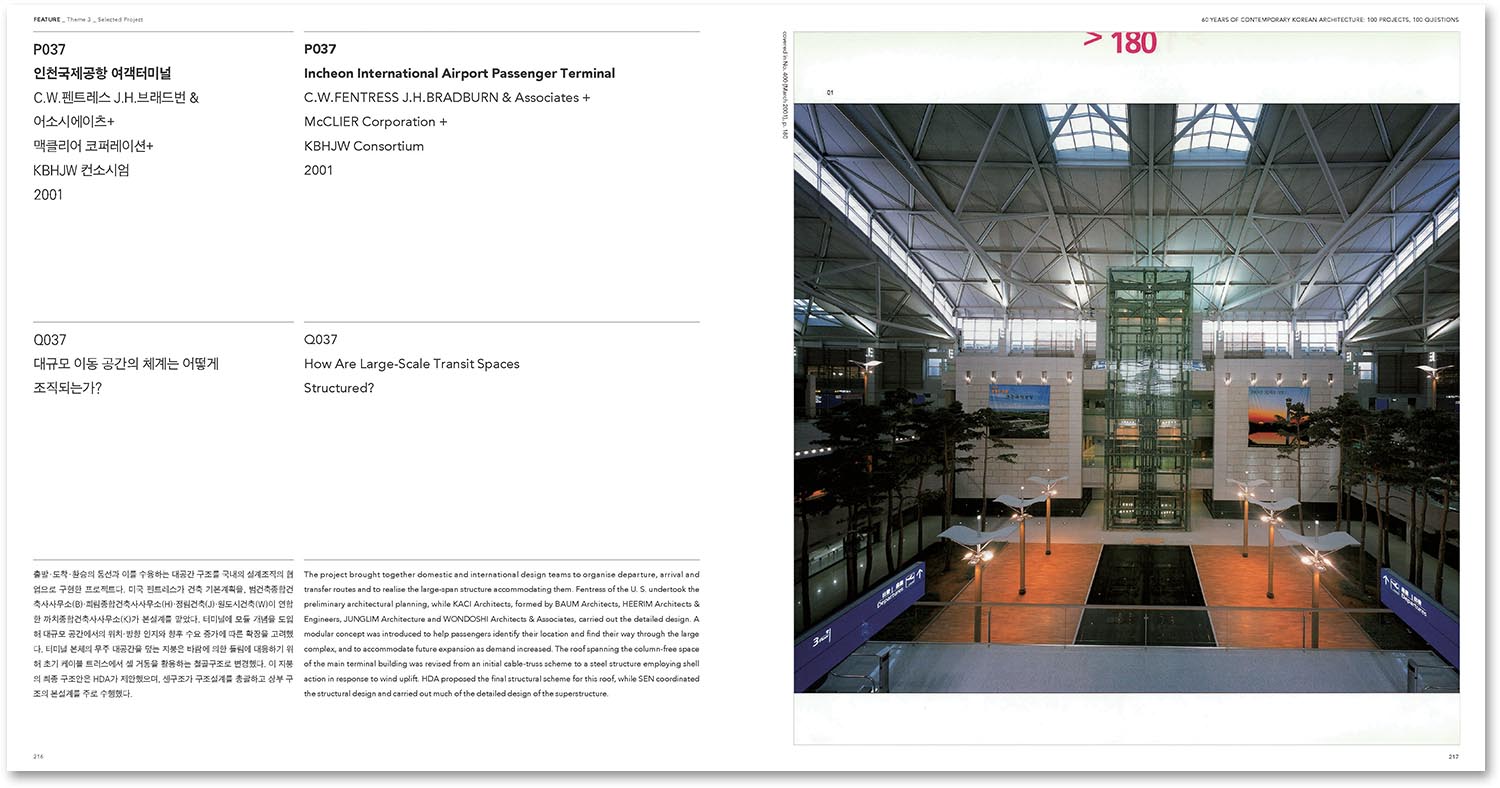
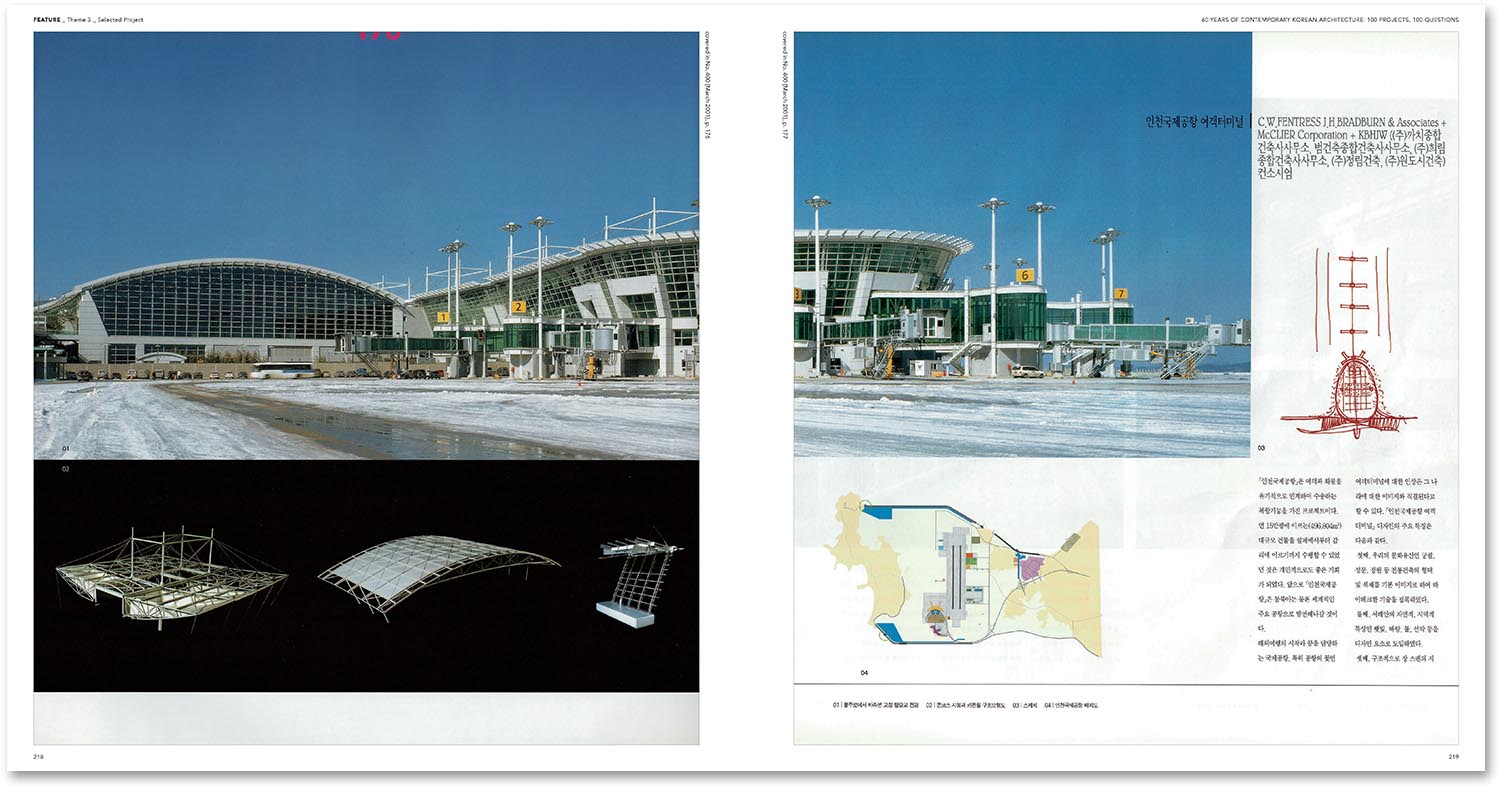
Large-scale architecture demands advanced engineering to span longer distances and accommodate larger numbers of occupants. At the same time, the structure of this typology does not merely serve functional purposes but is prominently expressed and dominates the exterior. Therefore, the structure itself becomes an important subject of architectural judgment. In Korea, international sporting events and major infrastructure projects provided opportunities to realise such long-span buildings. Through this process, domestic fabrication and construction capabilities were also expanded. The selected projects, Seoul Olympic Stadium (1984), Seoul World Cup Stadium (2001), and Incheon International Airport Passenger Terminal (2001), each presented distinctive challenges in their realisation and marked significant advancements.
This may be an overly cautious observation, but in Korea, attempts to treat structure and technology as design methods have often remained isolated instances rather than forming a coherent design philosophy. Architectural discourse has tended to focus on spatial effects and expression, while the structural judgments and verification processes that produced them have received comparatively little explanation. Efforts to systematise these experiences as knowledge and let them inform design attitudes have also remained limited.
This may simply be a matter of gaps in the media record, but the question of culture also needs to be considered. What this means is an approach that treats the flow and equilibrium of forces and the relationships between supports and structural members as questions of form, and configures space by adjusting these relationships; an intellectual lineage that treats forces geometrically; and a culture that goes beyond structural calculation or construction capability to make structural judgment a language for conceiving and evaluating architecture.
P035 Seoul Olympic Stadium | Q035 How Are Large-Scale Spaces Created Using Concrete? |
P036 Seoul World Cup Stadium | Q036 How Have Cables and Tensile Membranes Advanced Long-Span Roofs? |
P037 Incheon International Airport Passenger Terminal | Q037 How Are Large-Scale Transit Spaces Structured? |