
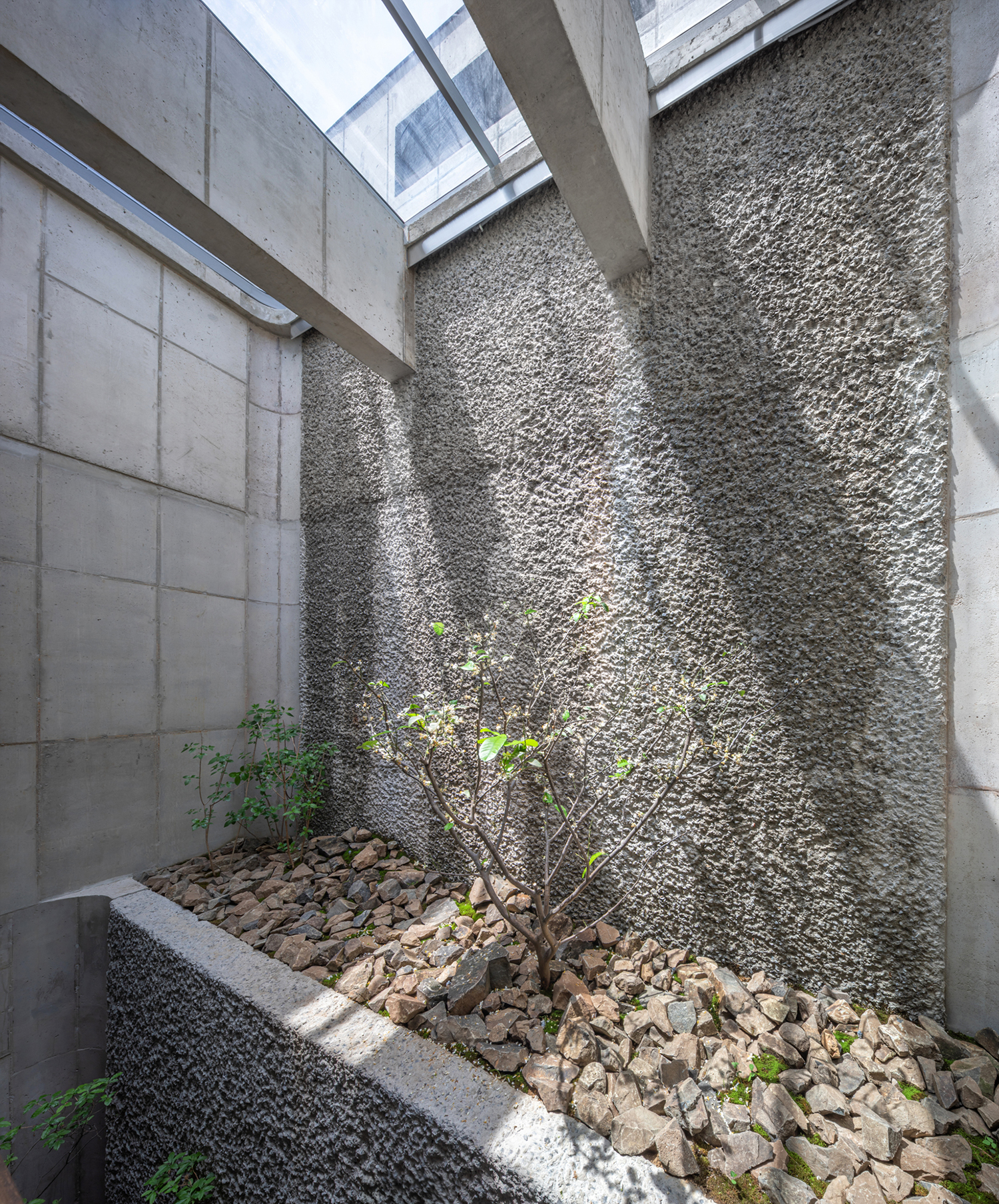
HORIGUL (2025)
Prefiguration
From the beginning of a project to its completion as a physical reality, there are two early moments that determine a project’s destiny: the first encounter with the client and the first encounter with the site. At the first meeting with a client, conversation usually centres on how the site has been selected and eventually purchased. The stories leading to that site are often lengthy. They begin with old family histories, continue through the difficulties of raising funds, and extend to personal dreams that had been held for a long time. As the architect listens to these anecdotes and musings, certain images naturally begin to form in the imagination. The architect then visits the site and finds pertinent clues within its human and physical environment. This is when the figure of the future architecture begins to emerge. If form is a fixed and enclosed result, figure refers to the body of an open place containing a narrative that encompasses the past, present, and future.
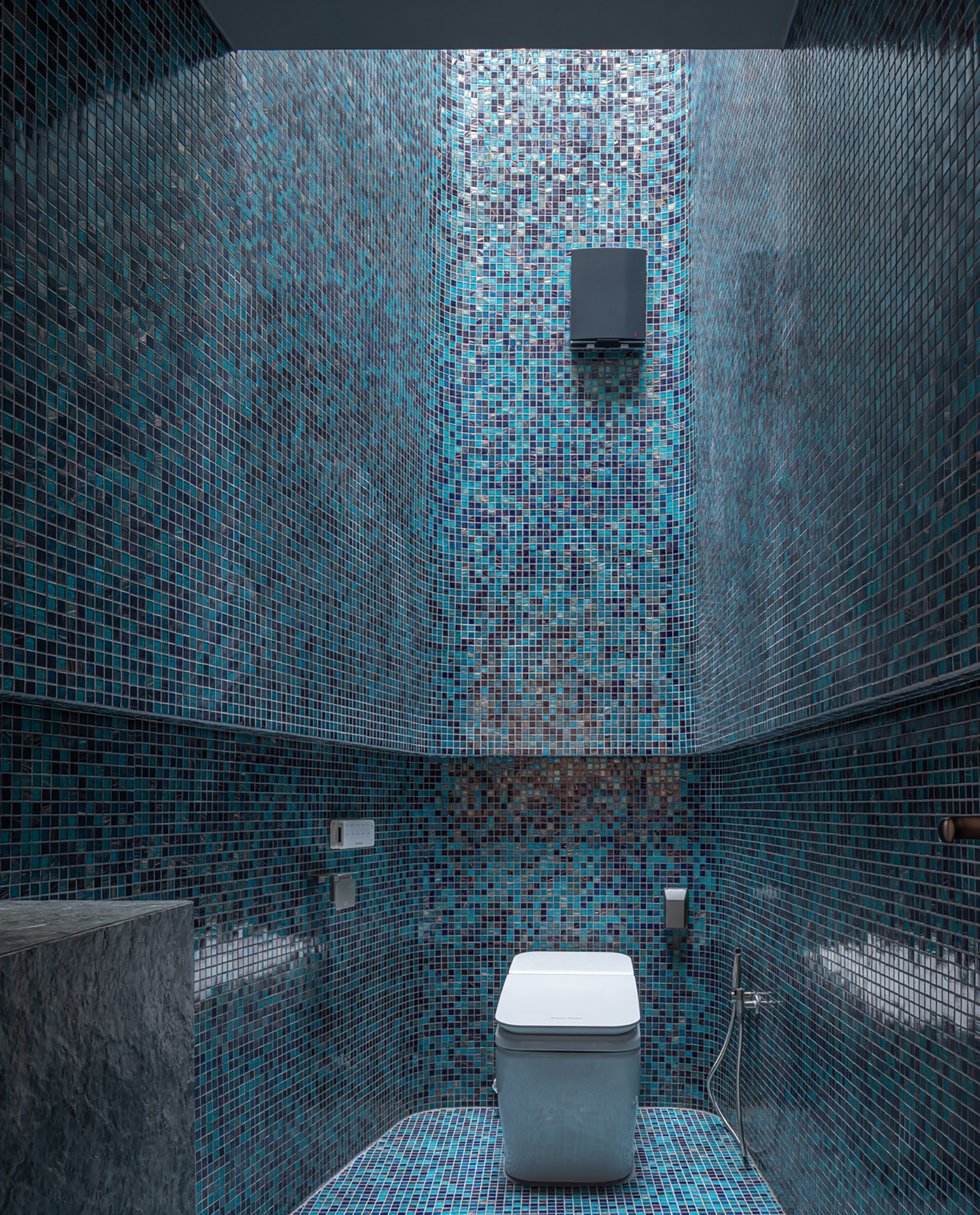
HORIGUL
Naming: A Promise
NOXON (2019), Mimmim (2021, covered in SPACE No. 661), NONSPACE (2021, covered in SPACE No. 661), Layer-Layered House (2023), HORIGUL (2025), DDeun GoG (2026), 5·3·2, 2·3·5 (2023), and so on. Beginning with the early work NOXON, the names that Jung Woongsik (Principal, On architects) has given to each project have become inseparable from the projects themselves, to the extent that they now form part of the identity of his architecture. The name – including its Korean and English spelling – has in a sense become the destiny of the architecture. Whether the name was given at the beginning of the project, during the design or construction process, or after completion is not especially important. Architects have always named buildings or proposed keywords, but such titles are often used strategically to communicate meaning effectively, creating a gap from the actual work. For Jung Woongsik, however, the name is like a first promise. It is a prefiguration that already contains the image of the building to come, and a kind of magical act in which Korean and English names, originally phonetic writing systems, are transformed into ideographic signs. It is the trace of the intense mental effort required to achieve architectural coherence.
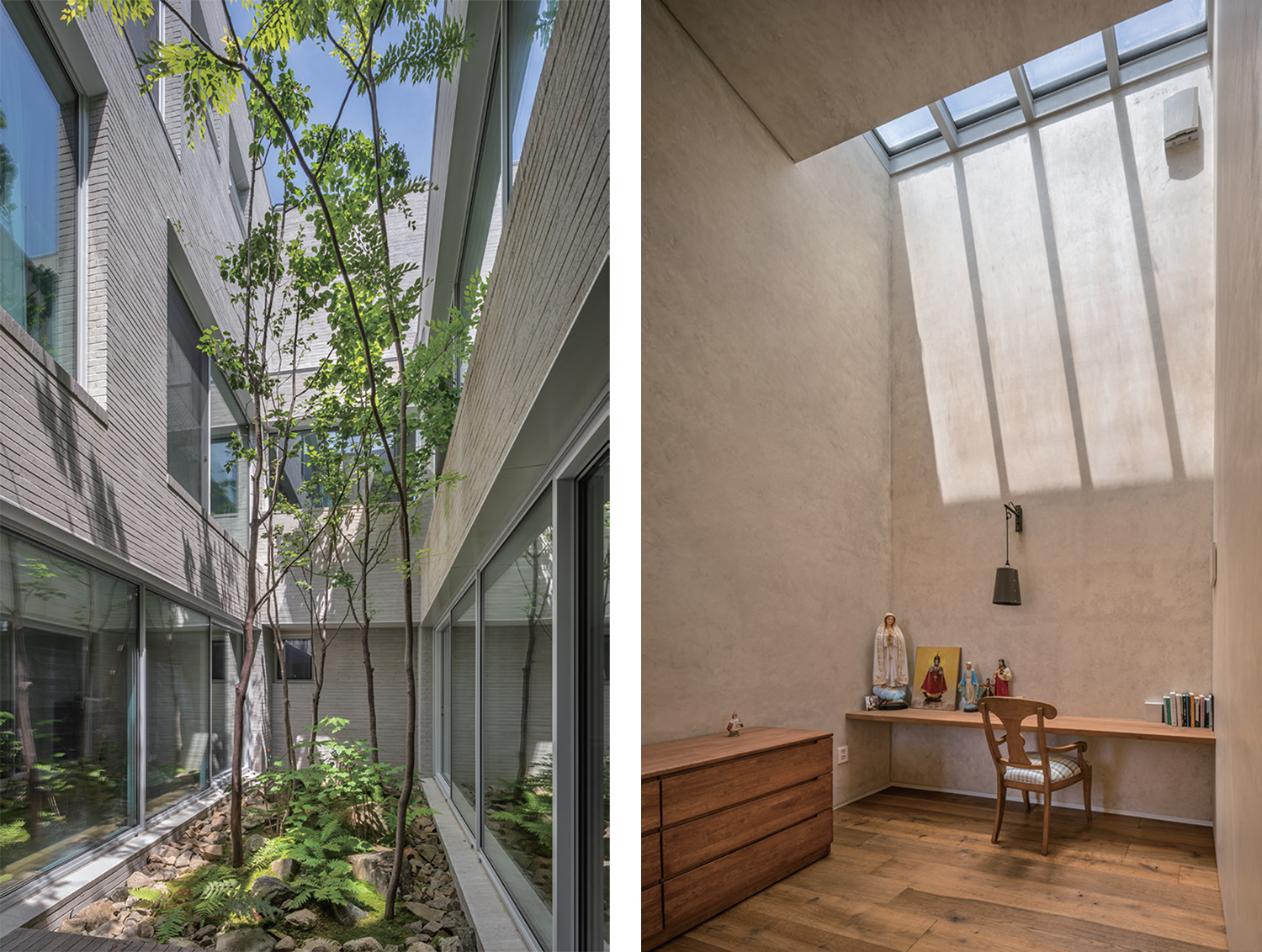
5·3·2, 2·3·5 (2023)
Clues: Seeds of a Narrative
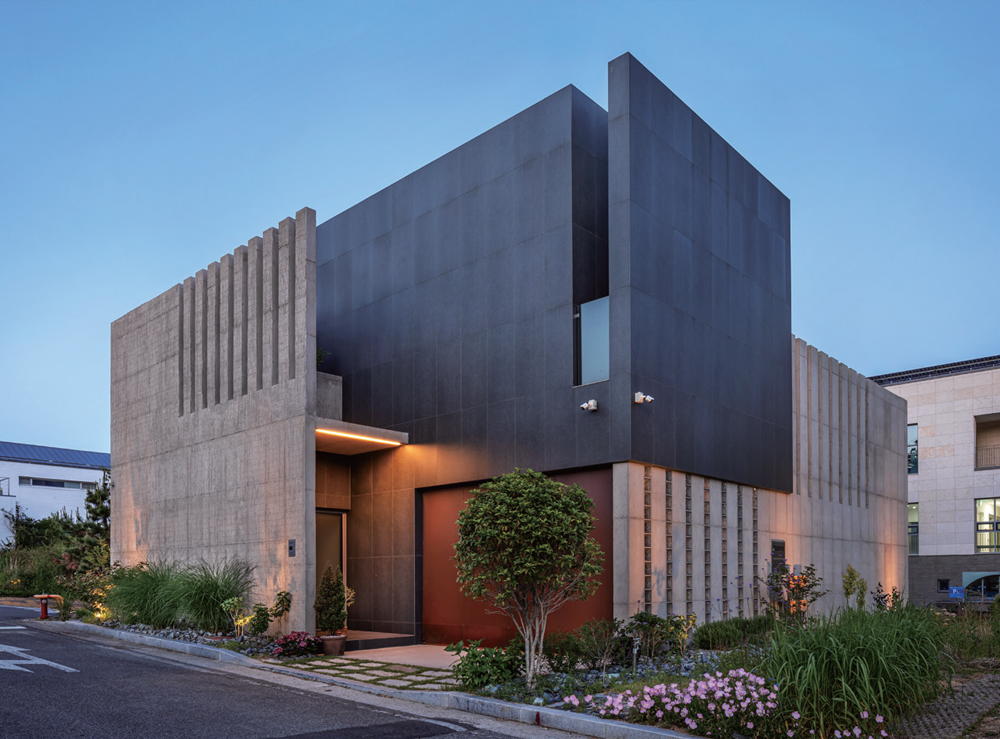
Layer-Layered House recalls NOXON. A gesture that is at once defensive and aggressive towards the surrounding context appears in the form of layers, something like DNA that persistently recurs throughout his projects. In NOXON, the layered composition painstakingly constructed within limited site conditions is carefully wrapped with carbonised copper panels individually burnt by fire, while in Layer-Layered House it is expressed through bush clover exposed concrete. Through the carbonised copper and bush clover concrete, he appears to show that the narrative of a place is built slowly and painstakingly, stitch by stitch.In 5·3·2, 2·3·5, traces of the rice paddies long in residence on the site before the building existed have been drawn back to the surface. Though physically fragile, the traces of cultivation that had probably remained stubbornly on the site for hundreds of years are carefully inscribed into the layout of the house. Sunlight that once fell peacefully and naturally now falls according to a systematised order, while the slight level differences of the rice paddy ridges reappear in the layered living rooms and gardens that intersect with one another.
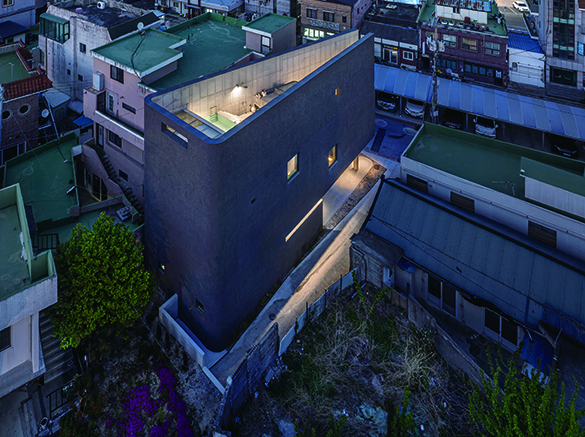
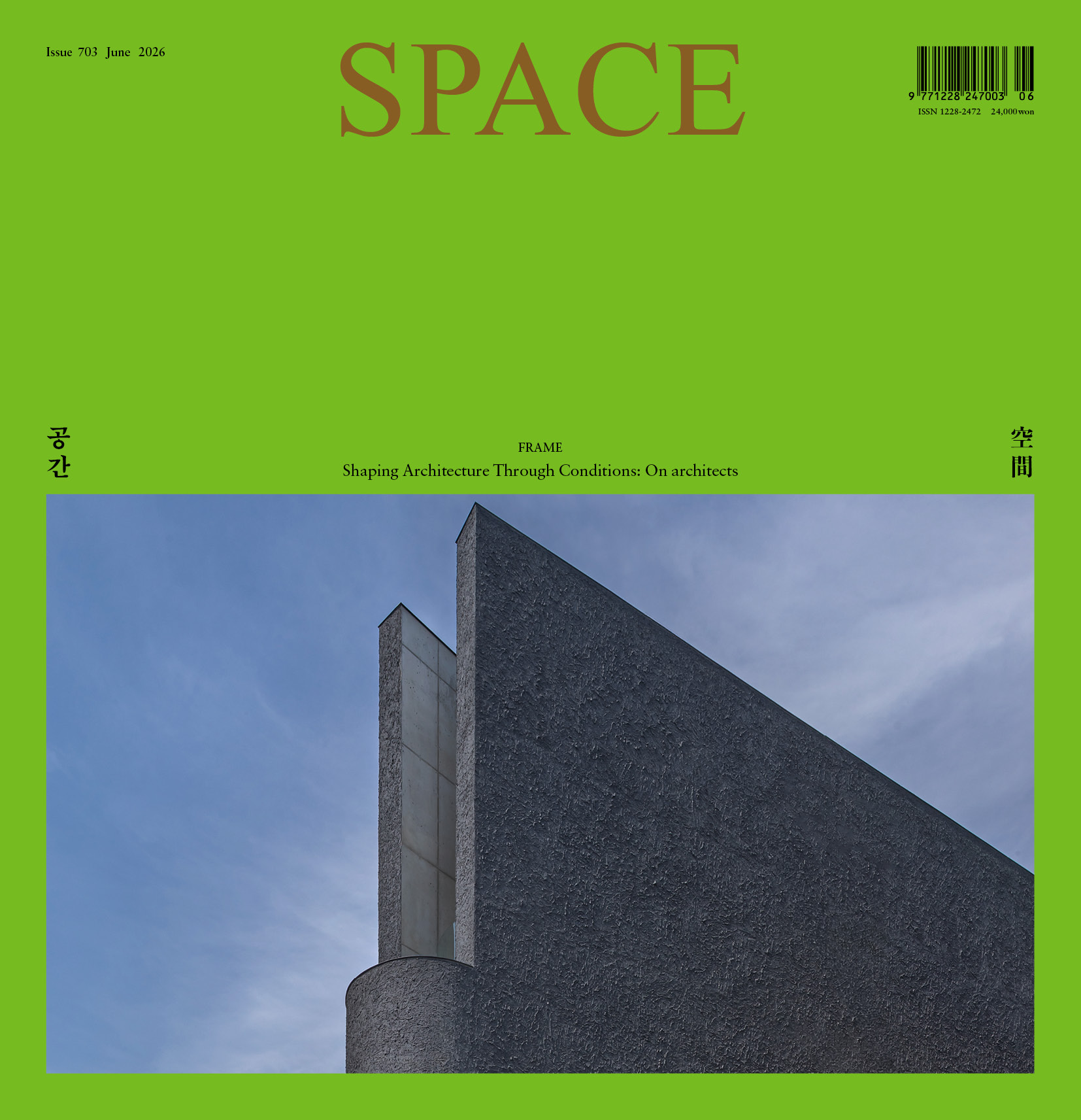
In HORIGUL, images drawn from childhood memories settle into the village. The density of space, rising vertically from the elevated inner side of Jeongja Harbor, feels heavy and substantial. The 1.2m-wide front zone, planned with consideration for a garden offered back to the village, functions effectively as a vertical passage of light. Together with the deeply recessed inner garden on the opposite side, it establishes an architecture that feels cave-like and slender (horihori).
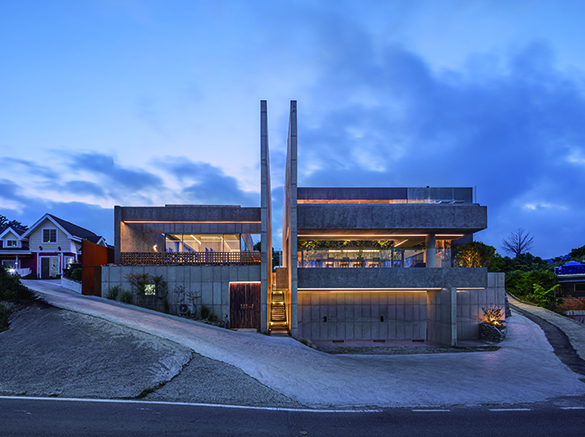
The clue for DDeun GoG comes from the narrow passage formed by the breakwater below the site. Two concrete walls, somewhat exaggerated in form, clearly divide the building into two, and through their artificiality create a strong rupture with the surroundings. The act of cutting contains the memory of a territory that had already been violently cut and left behind by the road before the building was built.
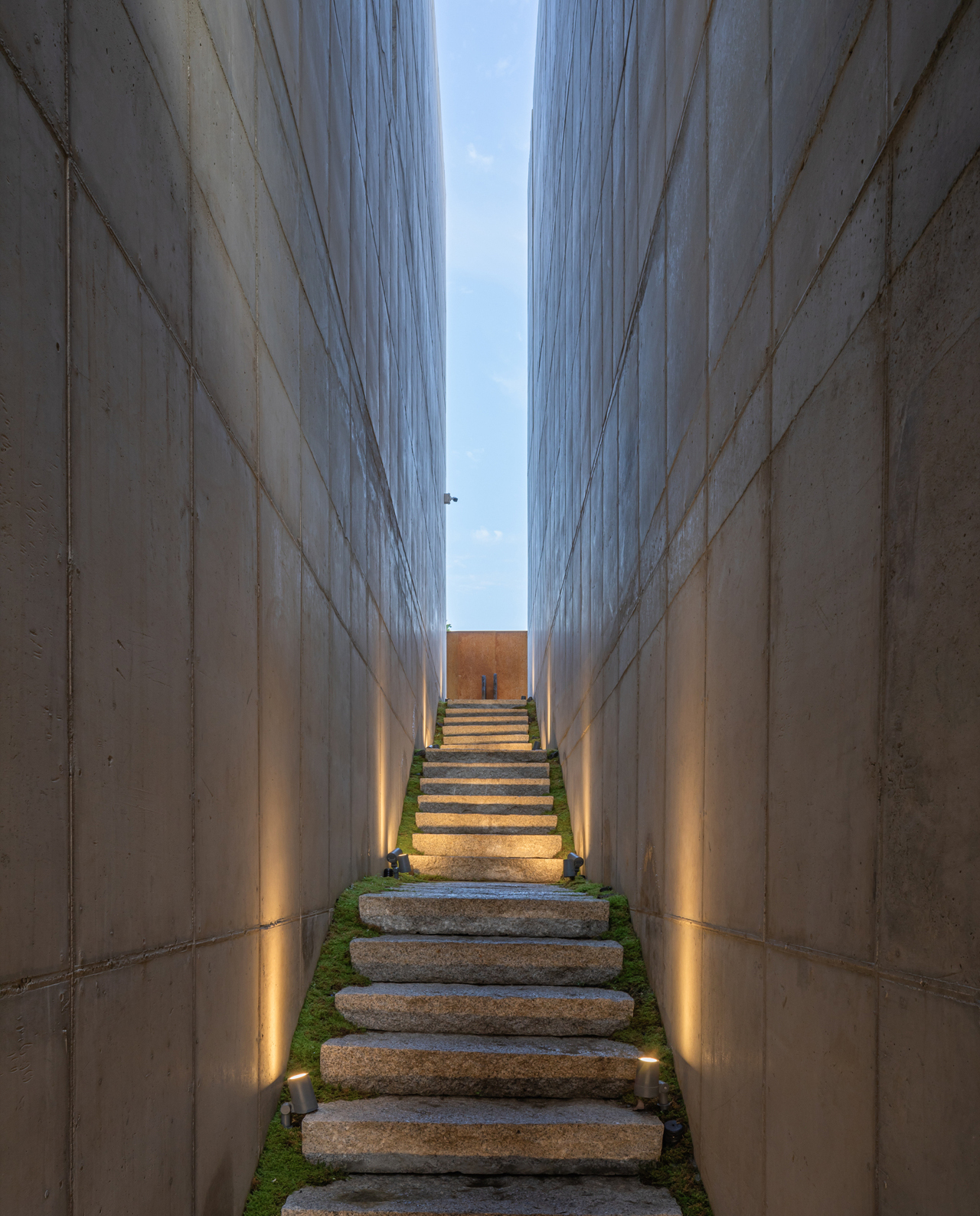
DDeun GoG (2026)
Gardens: Inevitable Landscapes
The garden is one of the key elements that orient his architecture towards the notion of the figure. Its inevitability is determined by how much chemical change the inclusion of the garden generates within the overall project.In Layer-Layered House, the gardens placed within the layers function both as a critical gesture levelled at the expressionless environment of the new town and as a strategic device positioned along the boundary between inside and outside. In 5·3·2, 2·3·5, they act as a kind of text that amplifies and reveals the stratification of the land, while also asserting their presence as active protagonists that draw the surrounding landscape into the project from afar and thicken the layers.
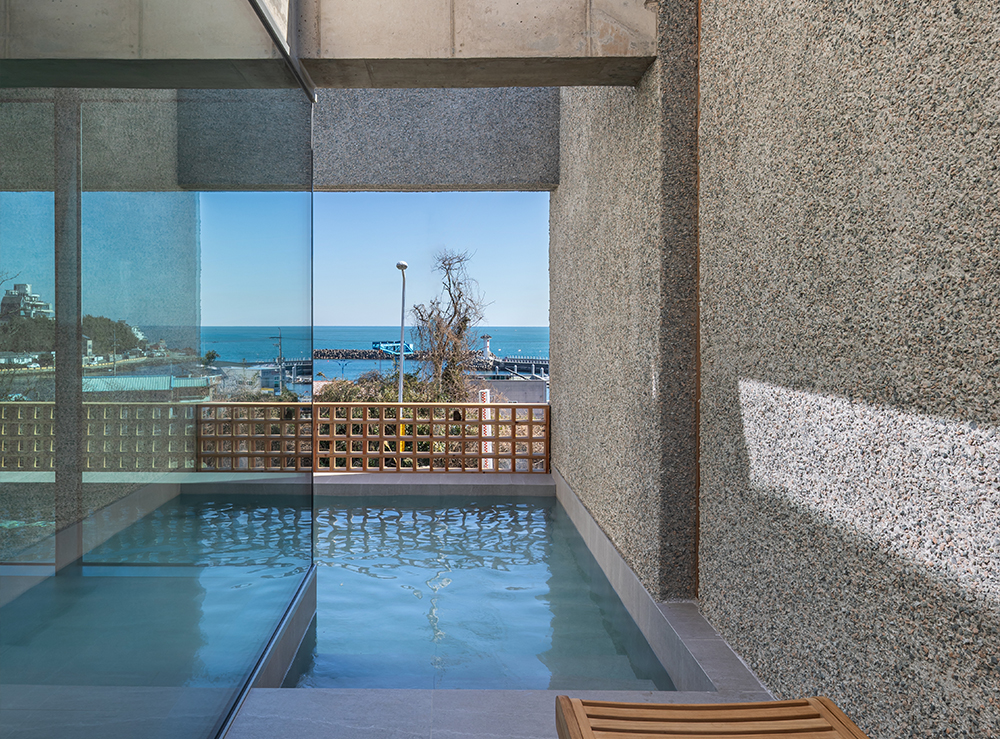
In DDeun GoG, the water feature is presented as a contemplative space. Paired with the distant sea beyond the living room, it completes the layered composition. The enclosed garden, the view of the harbour, and the vast sea overlap, and endure as a strong afterimage. By contrast, in HORIGUL the garden is reduced to the form of a rough wall. The wall encountered immediately upon entering is always wet with flowing water, while mist forms to provide moisture to the planted flowers, directly evoking the damp image of a cave. Most of the gardens used in his architecture are confined within artificial spaces, yet they always form a relationship with the surrounding nature as part of a larger landscape. This is the point at which the perception of the garden expands. The necessity for the architect to intervene directly in the planning, planting, and composition of the garden also derives from this inevitability. (...)
You can see more information on the SPACE No. June (2026).
Son Jean
Son Jean received a BA in Architecture from Hongik University, Seoul in 1986 and studied at the Instituto Universitario di Architecttura, Venice, until 1992. He worked at Studio Francesco Venezia, Naples (1993 – 1995) and Studio Skopje, Macedonia (1995 – 1996). He then went on to establish ISON Architects in 1997. His major works include kindergarten Unmun, kindergarten Chunsa, Son Jungwan Fashion Company, St. Francesco Education Center, kindergarten Iddeul, Hana Daycare Center and Project Re\Turning Gunsan.
5