
「SPACE(공간)」 2026년 5월호 (통권 702호)
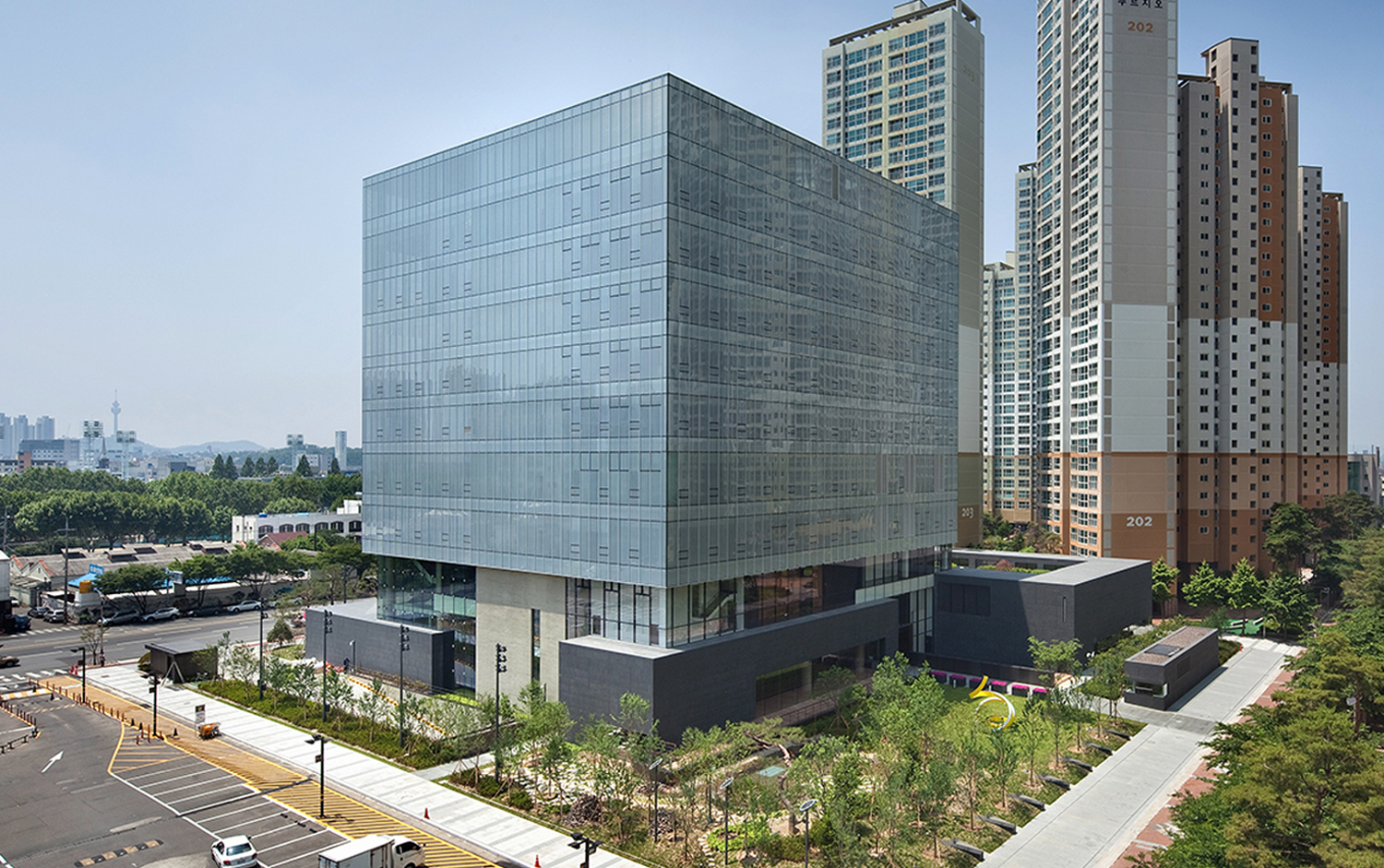
Daegu Bank Second Headquarters
DIALOGUE 이명진 정림건축종합건축사사무소(이하 정림건축) 첨단설계부문 대표이사, 기현철 정림건축 설계부문 디자인 기술 통합지원센터 SU(Strategy Unit) 디자인파트 파트장, 박재완 정림건축 설계부문 JDI(Junglim Design Innovation) BU(Business Unit) 리더, 안정택 정림건축 첨단설계부문 빅테크 BU 리더, 이호 정림건축 첨단설계부문 모빌리티 BU 소장 × 김정은 「SPACE(공간)」 편집장, 방유경 「SPACE」 기자
Locality & Community: Daegu Bank Second Headquarters, Busan North Port Marina
SPACE: Regionality becomes operative when it is physically grounded in a sense of place and materially connected to its users—that is, the community. You cited the Daegu Bank Second Headquarters (hereinafter DGB 2nd Headquarters) and the Busan North Port Marina as examples demonstrating this. First, please tell us howLee Myungjin (Lee): DGB 2nd Headquarters project began based on the trust built over 30 years since carrying out the design of the Daegu Bank Headquarters (1979). The area around Chilseong-dong, Buk-gu, Daegu was the mecca of the textile industry which drove South Korea’s economic growth in the 1960s and 1970s following liberation, and the site where the building is located was the former Daehan Textile factory grounds. Following the IMF financial crisis, the textile industry declined, leading to the city’s stagnation, and the site was left neglected for a long time. As development began in earnest amid the trend of urban regeneration in the 2000s, this project aimed to maximise public accessibility and civic value while fulfilling the original functions of a financial headquarters, grounded in the city’s history and placeness. Therefore, despite being a financial facility where efficiency and security are crucial, it only filled two-thirds of the legal floor area ratio (FAR) and dedicated 45% of its gross floor area to cultural spaces. By dividing the zones into the lower level (cultural facilities) and upper level (office facilities), and articulating the lower mass to a human scale to secure entry circulation open in all directions, we enabled citizens to closely access the lounge, gymnasium, book café, gallery, and concert hall. Consequently, it breathed vitality into the stagnant city, became a space of communication and coexistence with citizens, and had a significant impact on the revitalisation of the local economy.
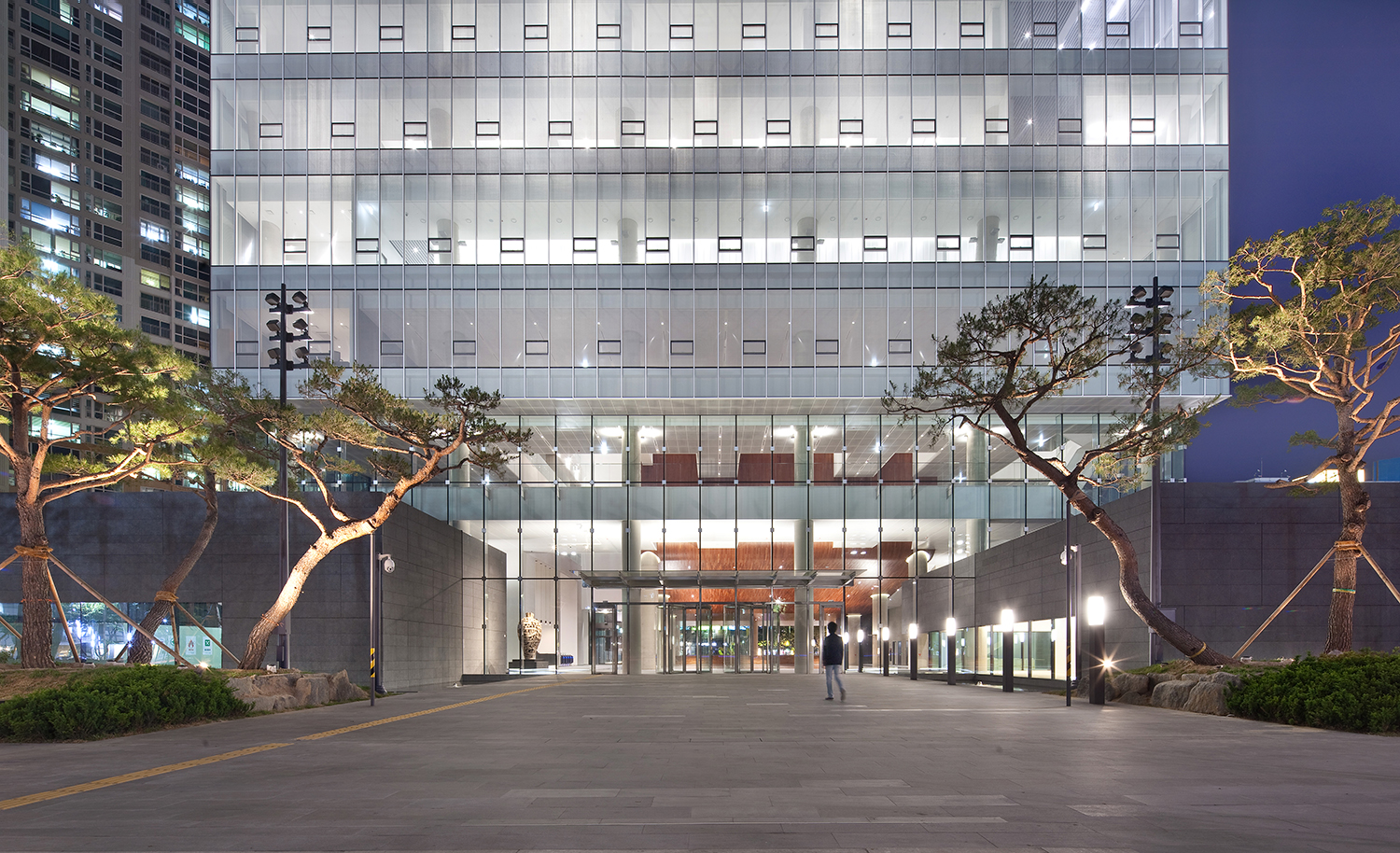
Daegu Bank Second Headquarters
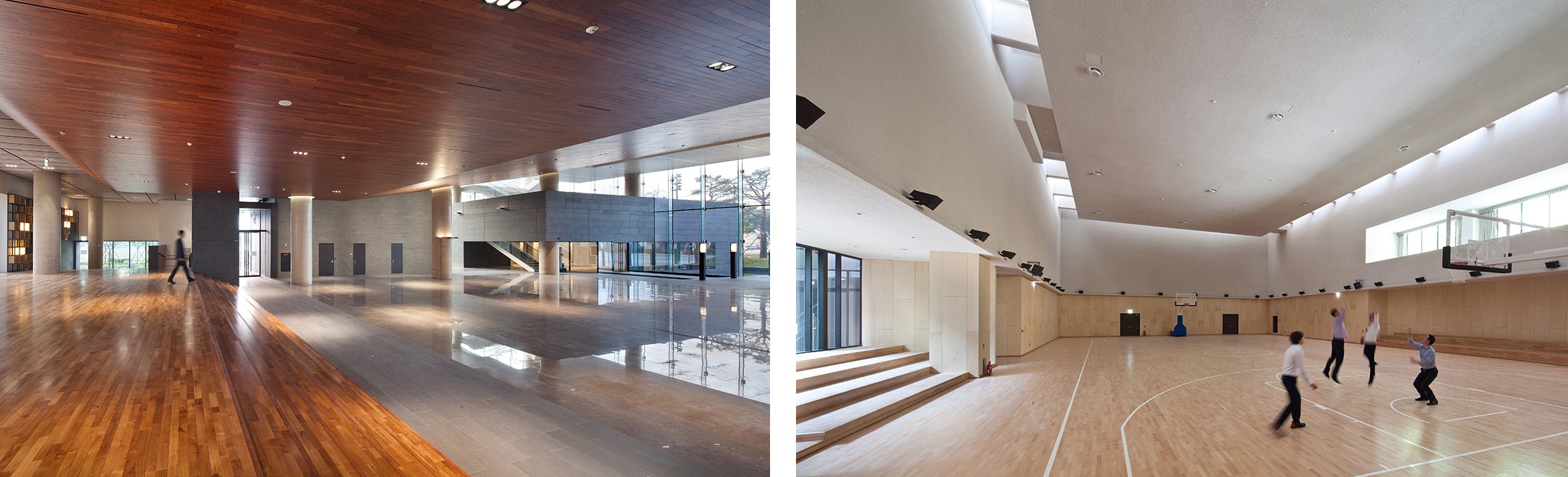
Daegu Bank Second Headquarters
SPACE: I heard that to achieve a higher green building rating, you implemented eco-friendly architecture through appropriate low-tech methods rather than introducing excessive mechanical devices.
Lee: The DGB 2nd Headquarters is the project where Junglim Architecture first established the design process (SD, DD, CD) for sustainable architecture; internally, we call this the ‘Eco-friendly Integrated Design Process’. Guarding against greenwashing – adding eco-friendly elements after the design is completed – we conducted all stages of design, including analysis, alternative drafting, and decision-making, based on sustainability. While we could have met the requirements for a LEED Platinum rating by applying active systems, we chose to secure a LEED Gold rating by using passive methods, which deliver the greatest impact at the lowest cost. Every decision – from the method of site utilisation and density, the orientation and shape of the mass, the structural format and modules, the scale and depth of spaces, the design and details of the envelope, down to the optimisation sequence of mechanical systems and renewable energy – was based on environmental evidence. The designer was also deeply involved in construction and operation. After identifying the differences between the simulation and the actual site, measuring, analysing, and adjusting them, we predicted a 60% reduction in energy costs during the design phase. The energy savings data from one year of operation post-completion showed 55%, allowing us to achieve a result close to our initial goal.
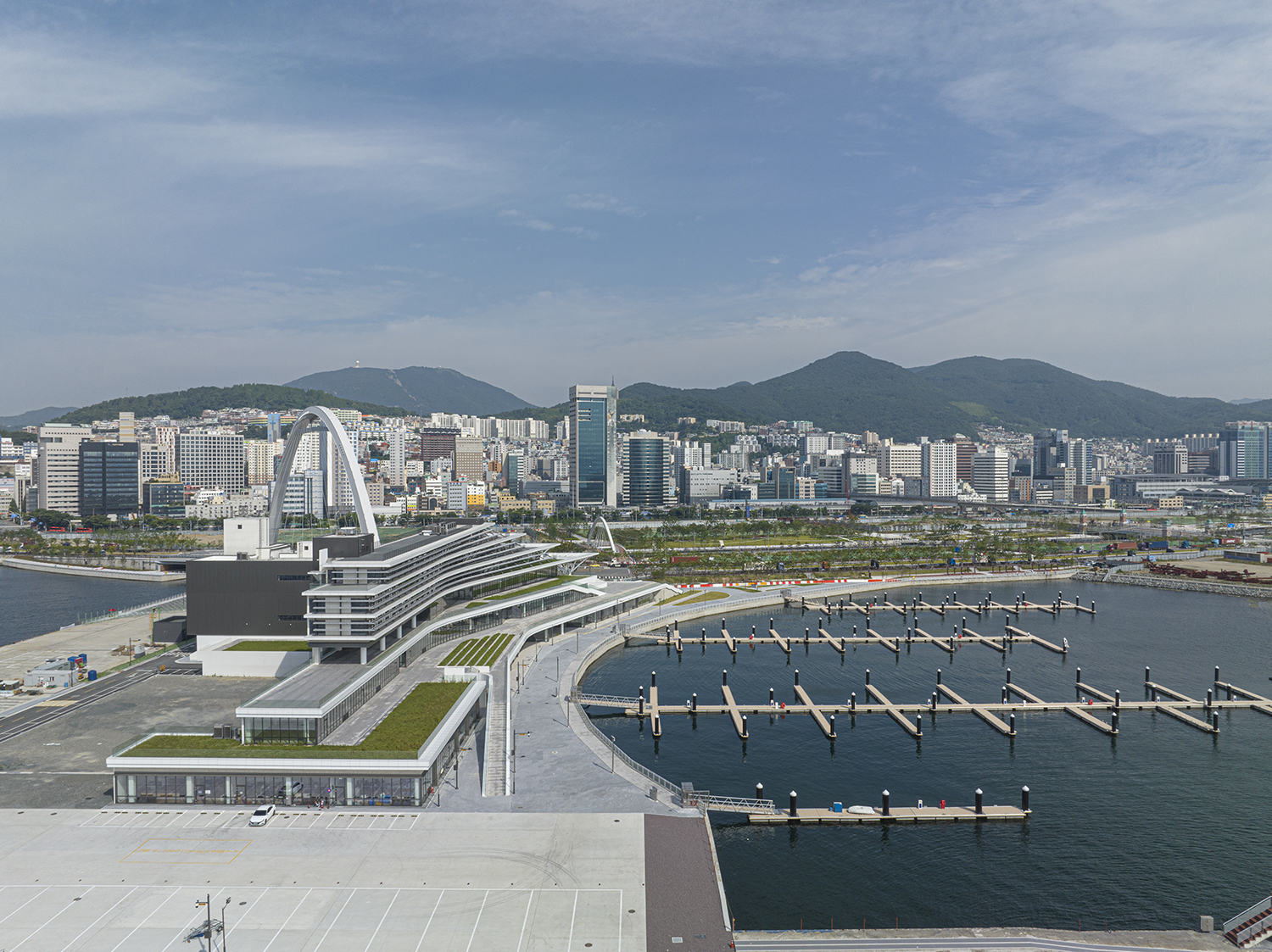
Busan North Port Marina
SPACE: Busan North Port Marina was also mentioned as a project that emphasises a sense of placeness and community. You introduced it as ‘Busan’s only maritime park’; what differentiates it from existing waterfront facilities in Busan?
Lee: Since opening in 1876, Busan Port has been the background and stage to modern and contemporary history, including the Japanese colonial period and the Korean War. As the logistics function of the port, which drove the national economy as an export gateway for over a century, were relocated to Jinhae New Port in 2020, the redevelopment of the North Port was promoted. The significance of ‘recovery and regeneration’ – returning the previously inaccessible waterfront space to the citizens of Busan – was its main feature and differentiator.
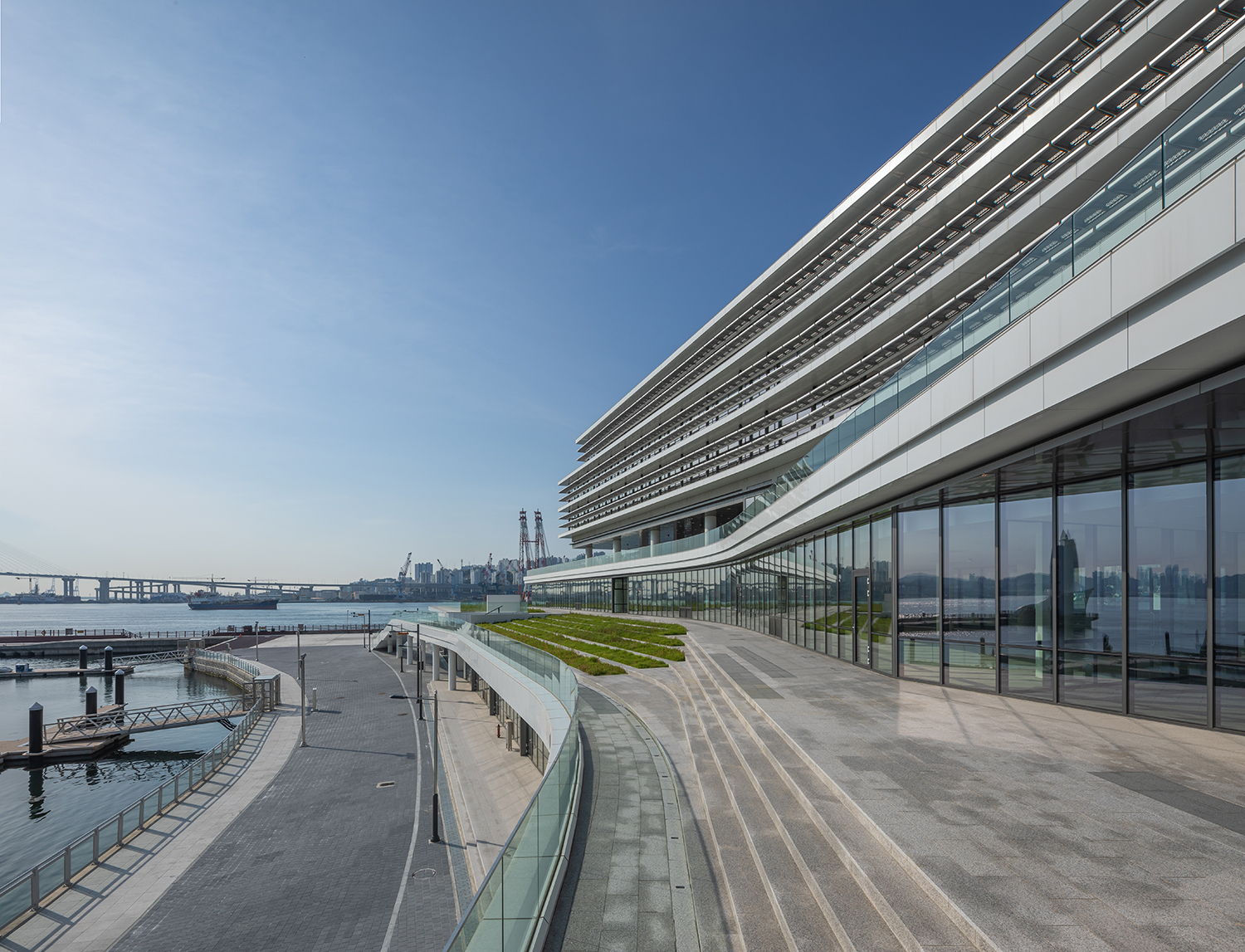
Park Jaewan (Park): The total length of Busan’s coastline is about 150km, but due to its nature as a logistics port, most of it was inaccessible to people, and even where accessible, it had a strong privatised character, with high-end apartment complexes like those in Haeundae. Access to the coastline is a public right, yet with the exception of swimming beaches, there was virtually no public facility open to the citizens. Against this backdrop, we proposed a waterfront facility that would open up 1% of Busan’s coastline, which is 1.5km. We proposed a form where a coastal promenade extends seamlessly into the architectural circulation, with terraces connecting each floor stacked upon one another.
Busan North Port Marina
Busan North Port Marina
SPACE: How did you determine the layout and composition of the marina, which is a port facility? How were regionality and community reflected here?
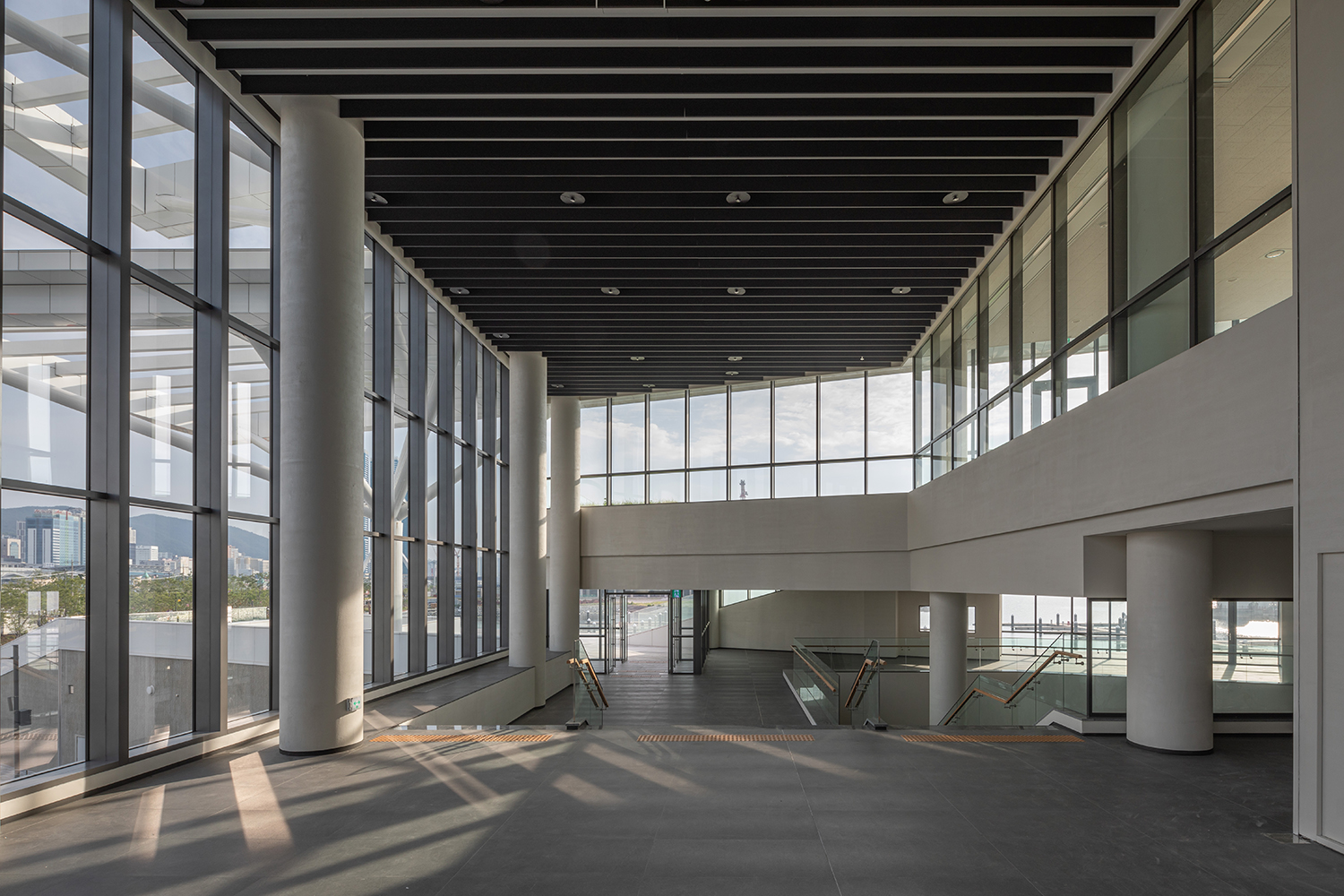
Park: At the time of the design competition, the guidelines prepared by the client clearly aimed for a ‘public marina’. Generally, a marina is a private facility used by a select few clients who use yachts. However, the client emphasised its role as a public facility usable by local residents, rather than as an expensive yacht mooring facility. The project’s major premise was that it would not succeed unless it was connected to the local community. Introducing a survival swimming pool and a scuba diving pool was also a way of opening up the facility’s use year-round. Considering the strong sculptural nature of the Busan Opera House, to be completed later, the building layout and design were treated with a mass that follows the site shape and a neat façade so as not to stand out visually. To create a space that people can visit comfortably without formality, we placed terraces on each floor to allow views of the sea.
SPACE: At the northern end of the mass stretching out along the revetment line, horizontal louvers spread out like wings. This is a characteristic element of the façade; for what purpose was it designed?
Park: As commercial facilities were placed on the lower floors with terraces offering ocean views, there was a privacy issue for the hotel rooms located on the upper floors. Since the design competition phase, we proposed installing horizontal louvers on the northeast side to block lines of sight, but actual simulations showed that the wind would hit too strongly. So, we manufactured the material out of expanded metal to act as a windbreaker. Although it was not designed from the outset with environmental functions in mind, the louvers ultimately made it much easier to open the terrace-side doors from the hotel rooms.
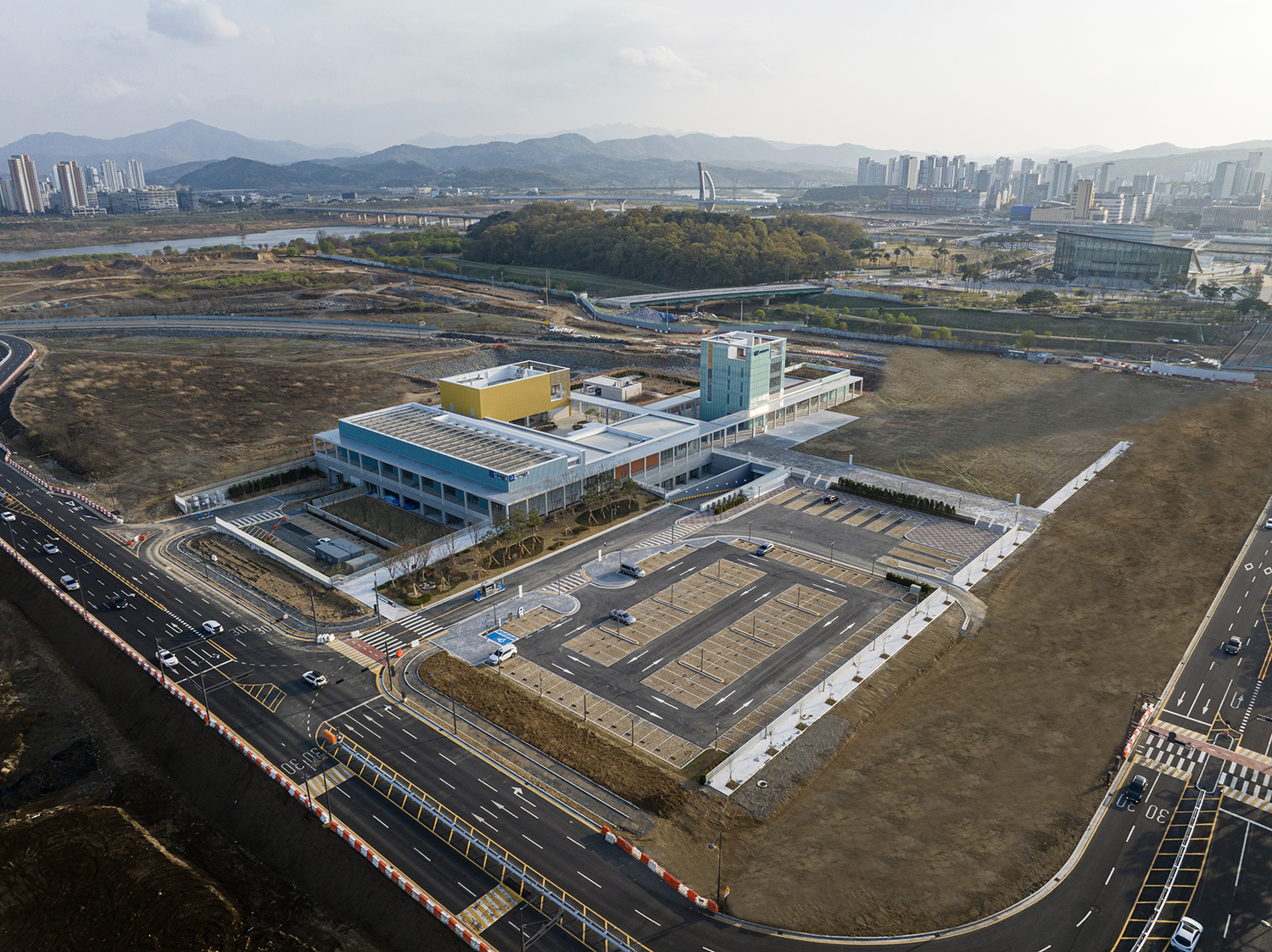
The Views of National Museum Complex ©Song Youngjoon
Land & Ecology: National Museum Complex Masterplan of Sejong
SPACE: The masterplan for the National Museum Complex of Sejong, ‘Sejong Museum Gardens’, jointly designed by Office OU and Junglim Architecture, is a project that established the basic plan for a large-scale cultural facility to be built in the green spaces of a new city. As a masterplan built within Sejong, how did you aim to establish urban spatial relationships and ecological attitudes?
Rhee Ho (Rhee): Sejong is a planned city designed by creating a ring-shaped city and emptying the inside to fill it with green spaces. However, the Sejong Museum Gardens masterplan operates in reverse. It opens the outside and resolves the inside with minimal intervention by the architect. While discussing with Office OU how to determine the site and how architecture would settle within it, we spent a long time pondering how to blur the site boundaries rather than clearly defining them. We considered various physical and ecological methods, such as planting interdependent plants without creating hard boundaries. This was presented as providing an architectural reference plane called ‘datum’ – a kind of guideline – which architecturally is defined by a small central plaza and a corridor. It was about imposing minimal enforceability on the architects who would design the museums to be built within the complex. Looking at other competing entries submitted at the time, there were proposals that created large masses, took a floating approach, or created massive mounding. It seems that the flexible and receptive attitude of our proposal, which generally took the approach of erasing volume, was rather highly evaluated.
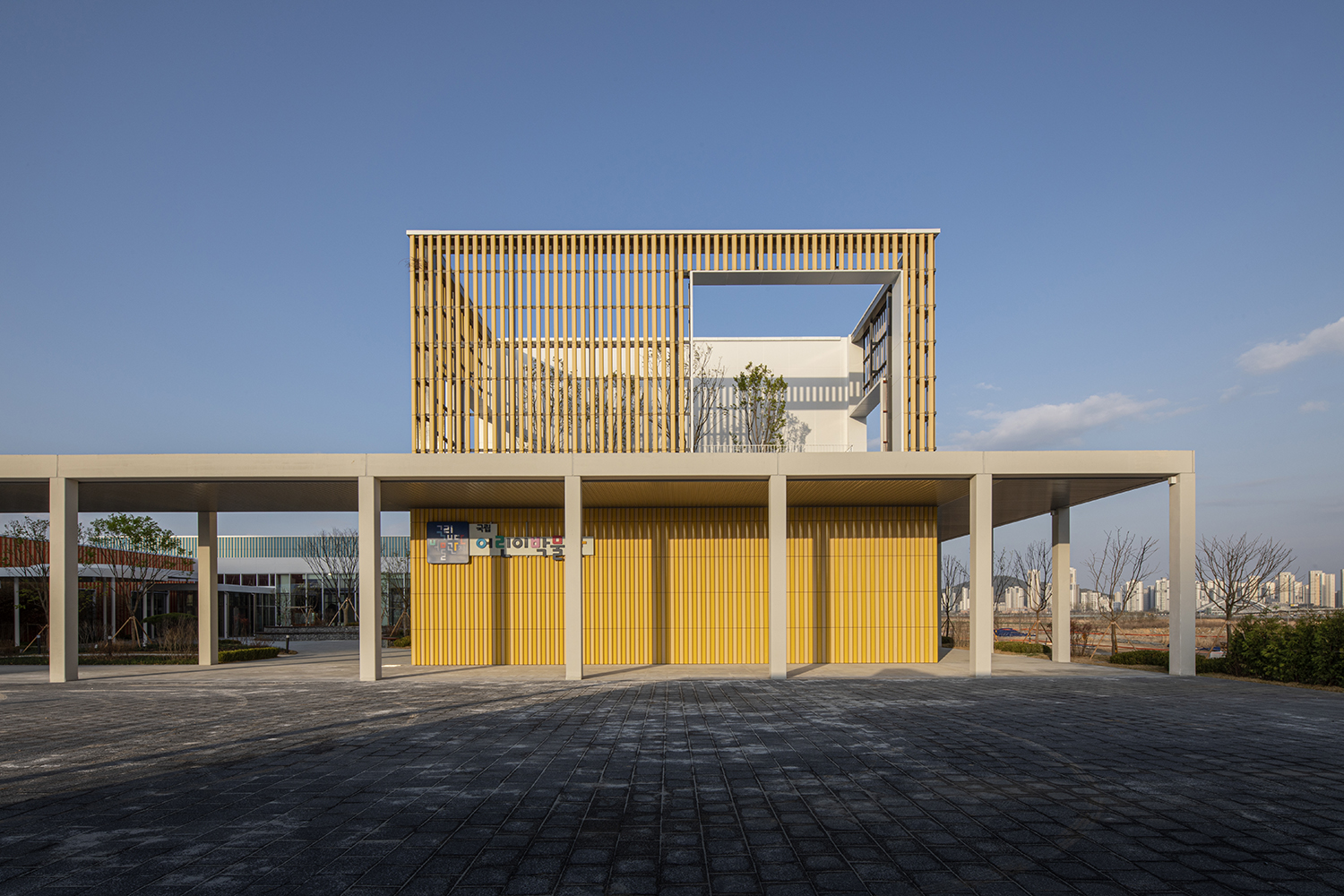
National Children’s Museum ©Song Youngjoon
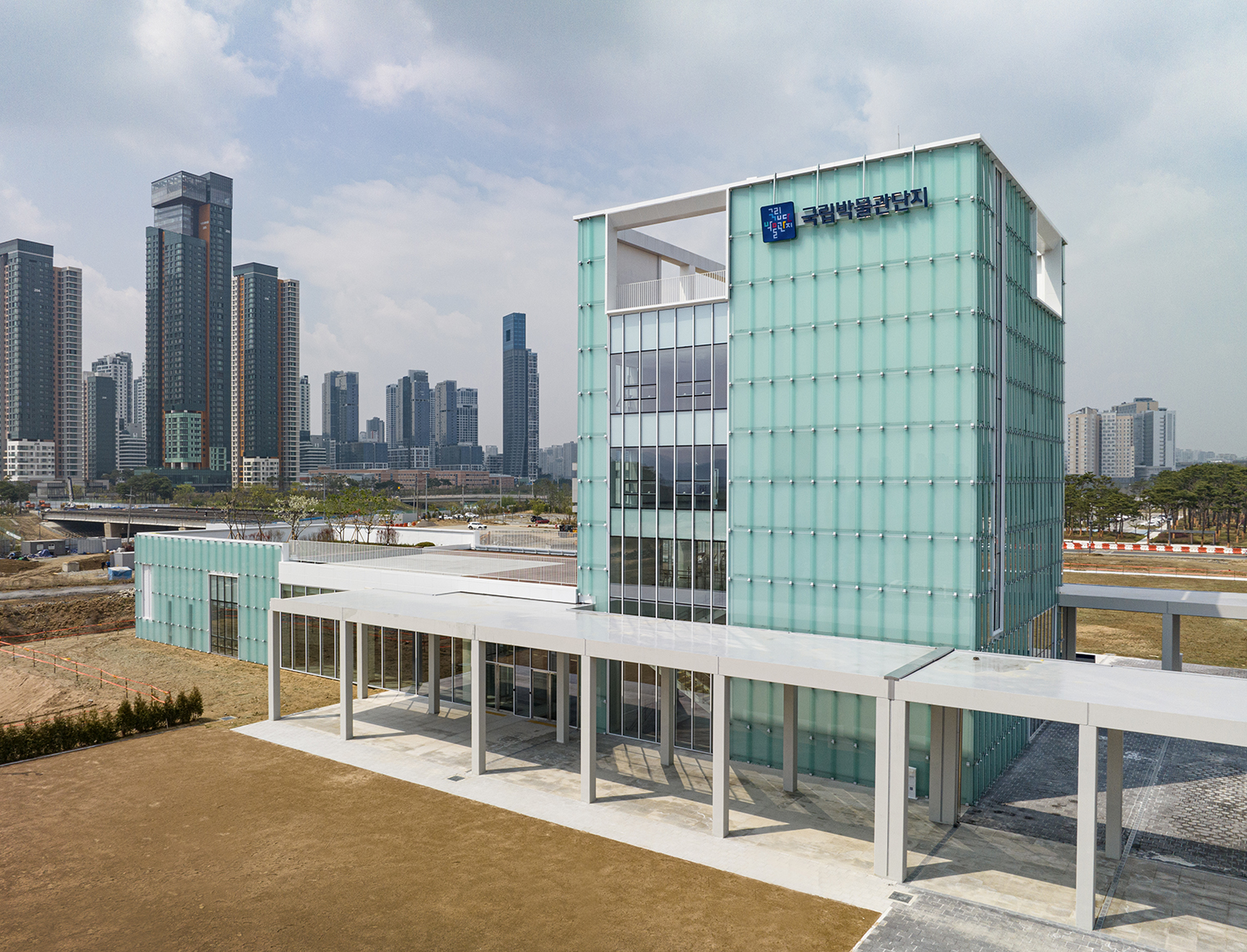
Integrated Operations Headquarters ©Song Youngjoon
SPACE: You designed the National Children’s Museum in accordance with the masterplan. How was the concept of the ecological masterplan reflected here?
Rhee: The National Children’s Museum is the first project completed in the Sejong Museum Complex, one of six museums to be built on a vast site of 197,000m2. The corridor, created according to the ‘datum’ concept of the masterplan, provides shade when moving across the wide flatland and forms the visual landscape of the entire complex. The datum, proposed in the form of a continuous canopy, weaves the museum complex together through a single sculptural form and architectural language. The volume of each museum that deviated from the horizontal line (canopy) rises above the canopy, and by allowing the surrounding ecosystems to permeate the architectural field specialised by area in between, the courtyard ecosystem of the museum expands as a factor establishing the identity of each museum. Just as the diverse colours of an orchard are captured to show the design identity of the National Children’s Museum, the masterplan hierarchy induces each museum to adopt a differentiated identity by incorporating elements from the various surrounding ecosystems like rice paddies, rivers, wetlands, and forests.
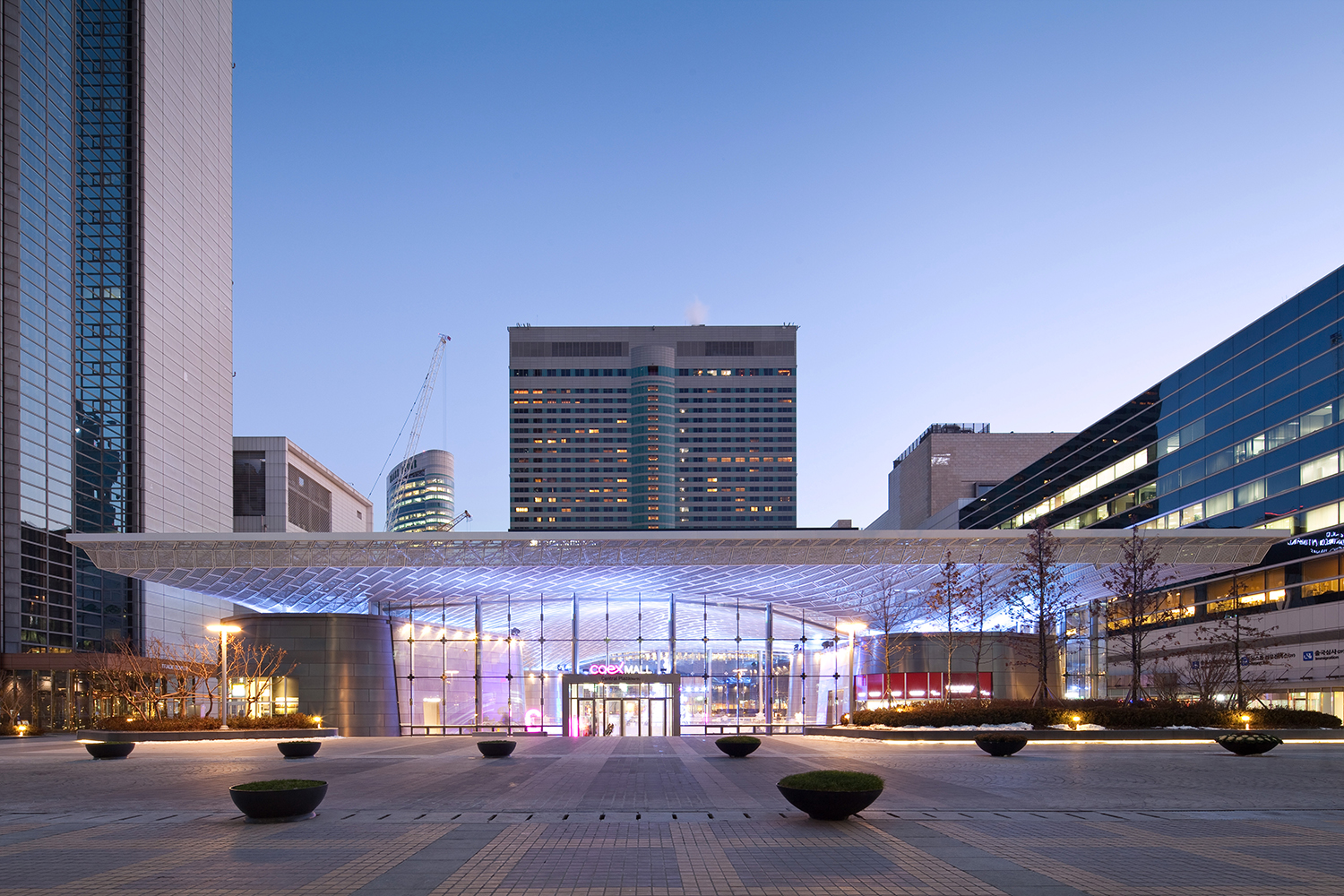
The façade of the COEX Mall Renovation
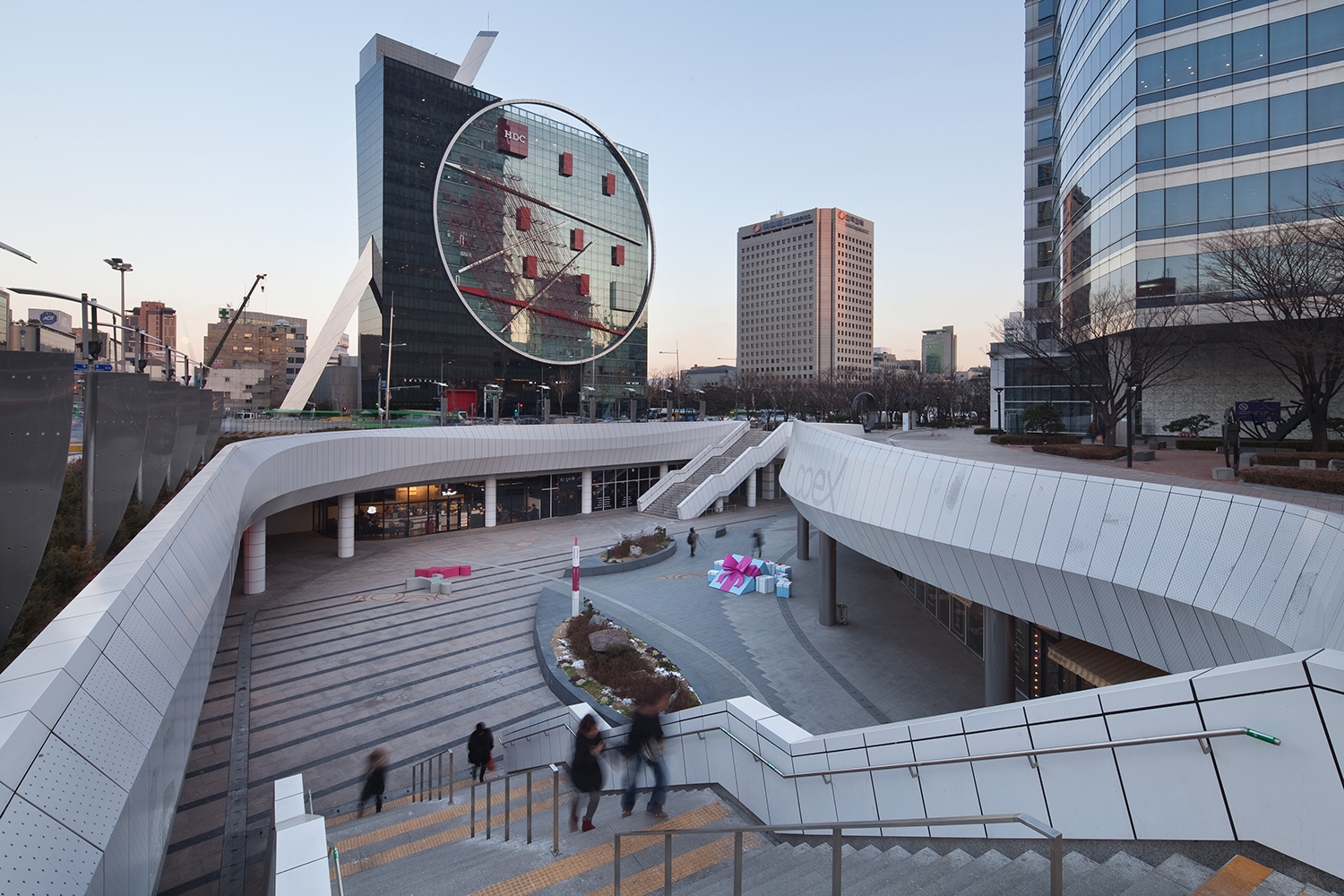
The entrance sunken area of the COEX Mall Renovation
Underground Urbanism: COEX Mall Renovation, Gangnam Integrated Transit Center
SPACE: COEX Mall, a representative underground commercial facility in Seoul, opened in 2000 beneath the ASEM Tower and Convention Center, connecting to the Jamsil Station underground area. Since then, Junglim has sequentially handled underground spaces, including the COEX Mall Renovation (2014) and the creation of the Starfield Library (2017). In light of these experiences, what possibilities do you see for urban underground spaces in terms of sustainability?Lee: The meaning and character of an underground space vary depending on its location, but from a sustainability perspective, it becomes particularly significant when developed in areas with extreme land-use density, like Seoul. First, underground development allows for the three-dimensional utilisation of the city, making it possible to convert ground-level areas into parks or green spaces to enhance publicness. Second, it secures pedestrian and transportation mobility. In Korea, which has four distinct seasons, continuous pedestrian movement is possible underground during summer and winter, and TOD that connects the national transportation network can also begin through underground city development. Lastly, there is urban resilience. Underground spaces can be used for evacuation and disaster prevention. Various practices to increase urban sustainability through underground development have been carried out globally. Montreal’s underground city, RESO, developed in the 1960s, maximised energy savings and pedestrian networks in winter by connecting offices, malls, and residential facilities with transportation networks like subways and bus terminals. Helsinki’s Underground Masterplan, which began around the same time and is still ongoing, is an example of increasing urban resilience by planning urban infrastructure – such as data centres, sports facilities, parking, air-raid shelters, and disaster facilities – underground, while placing greenery, parks, and housing on the surface. Singapore’s Marina Bay Link Mall tied multiple offices and two MRT stations together via a massive underground passage, moving logistics, pedestrians, and commerce underground to maximise land use and secure green spaces and plazas on the surface.
SPACE: Through the COEX Mall Renovation, you must have closely observed how large-scale urban underground spaces are changing. What were the main design concepts applied at that time?
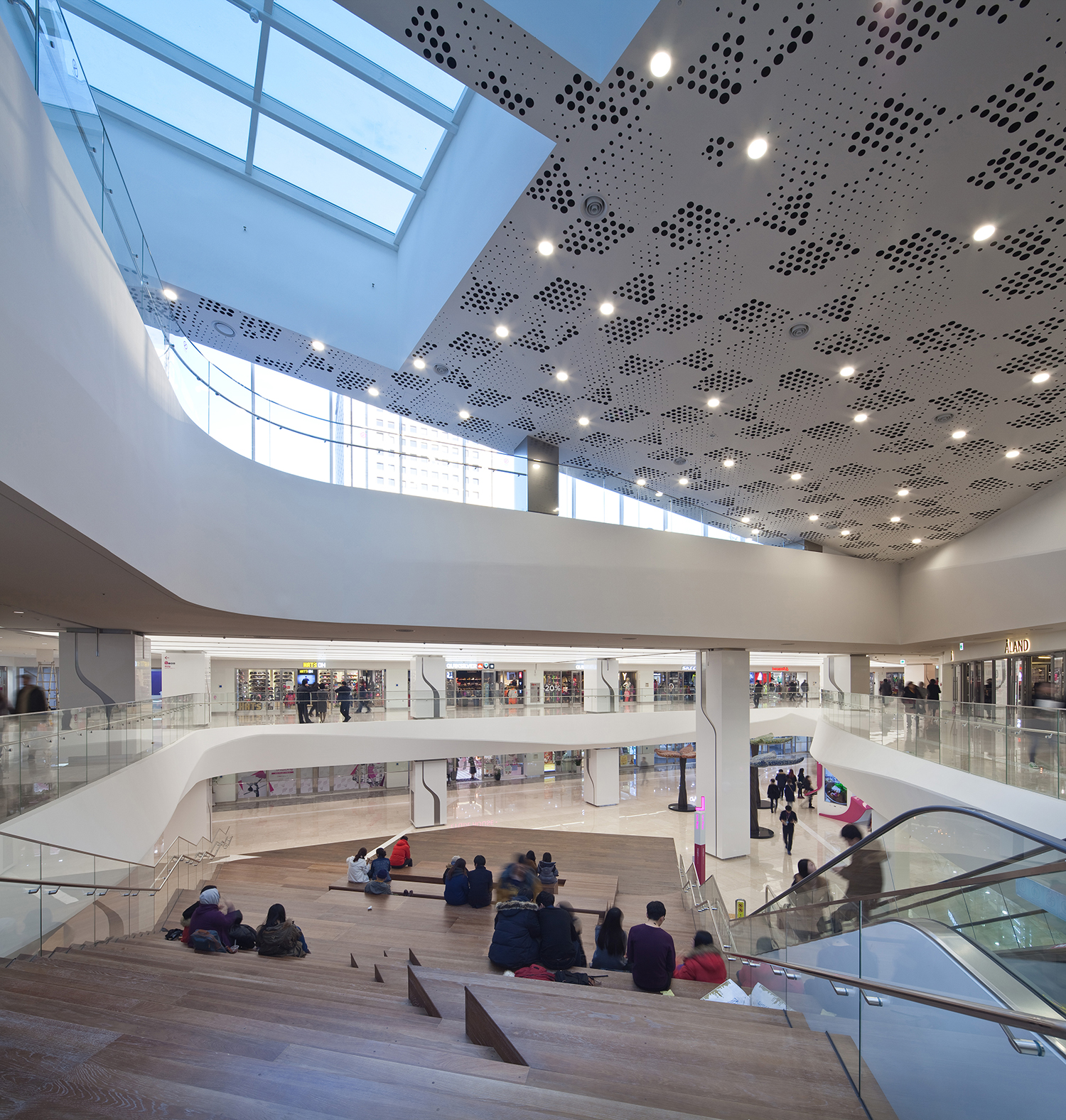
The interior of the COEX Mall Renovation
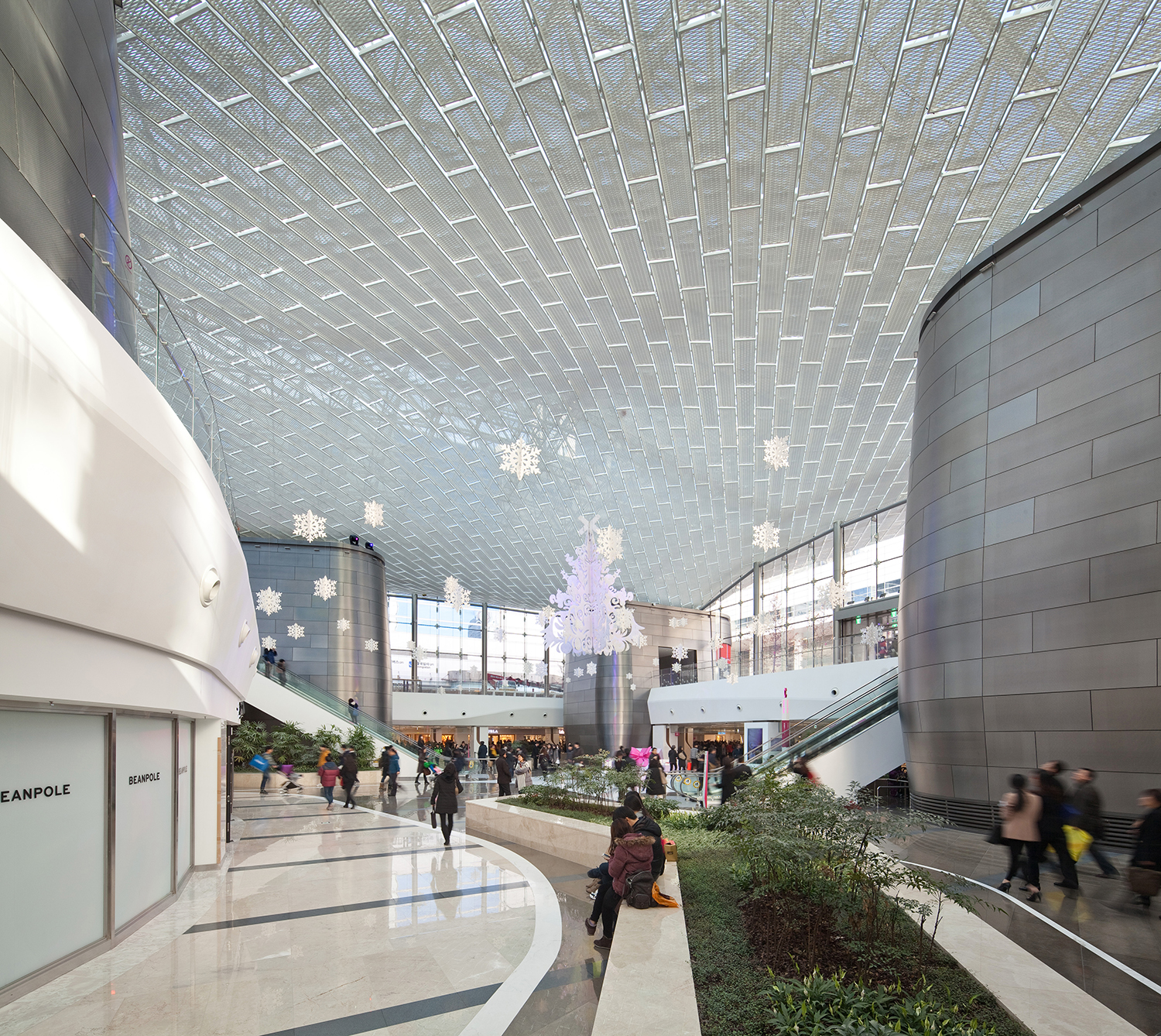
The central plaza during the COEX Mall Renovation in 2014
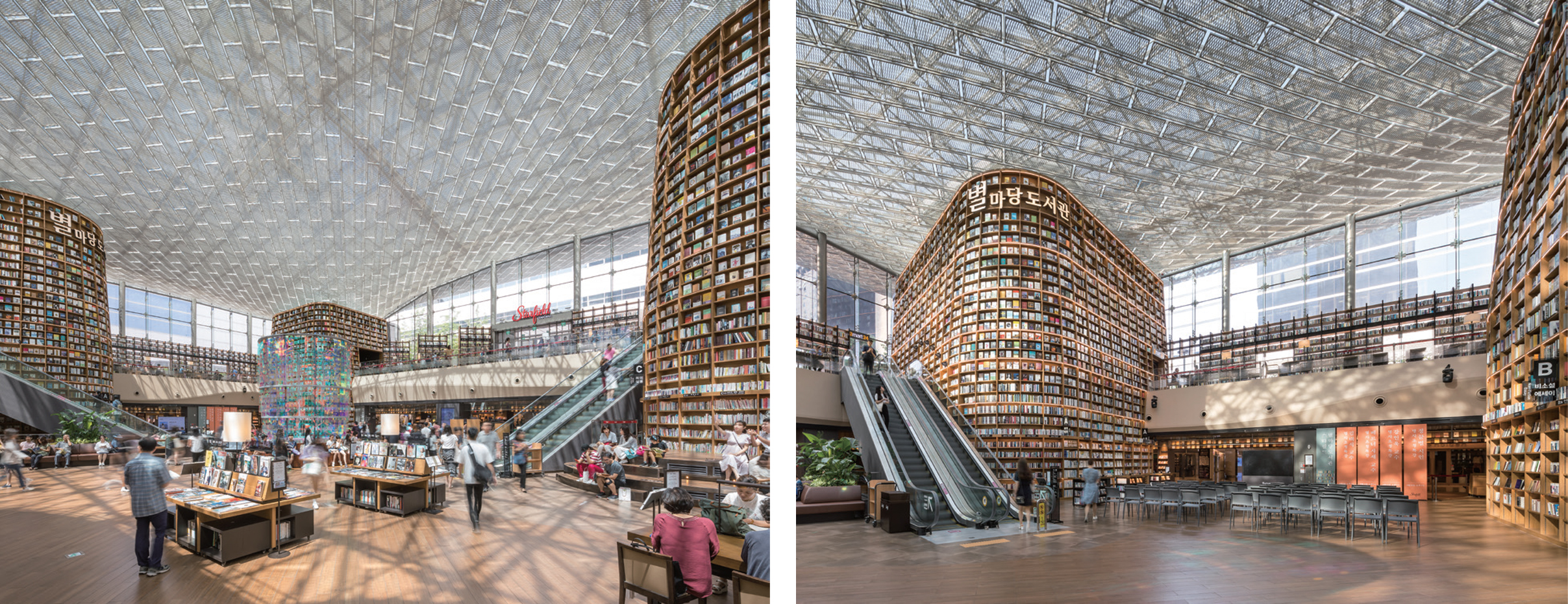
The Starfield Library, which opened on the central plaza site in 2017
SPACE: Gangnam Integrated Transit Center, currently being carried out with Dominique Perrault Architecture (DPA), is also a large-scale underground development project that will have a massive impact on Seoul. What changes do you foresee for the city?
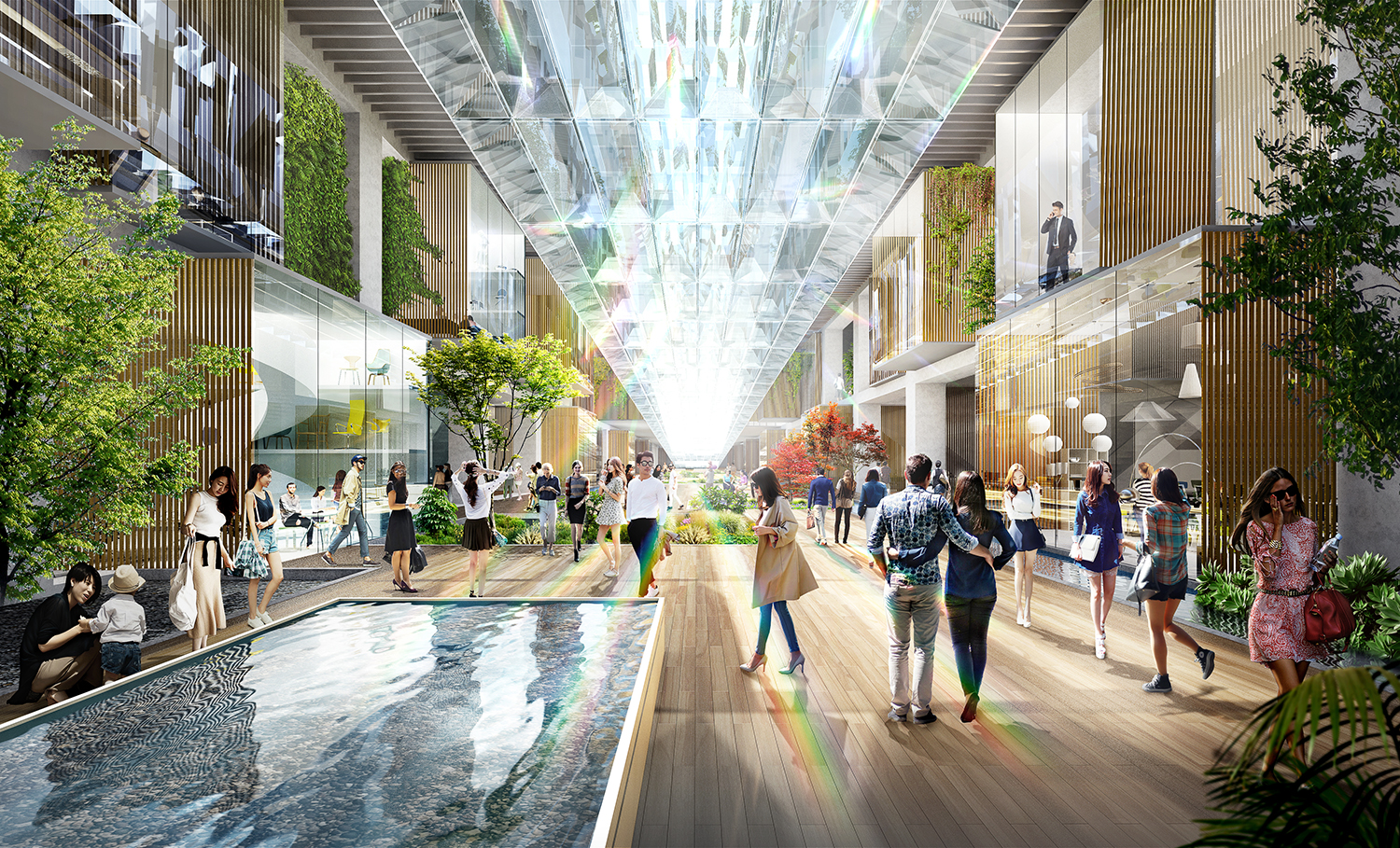
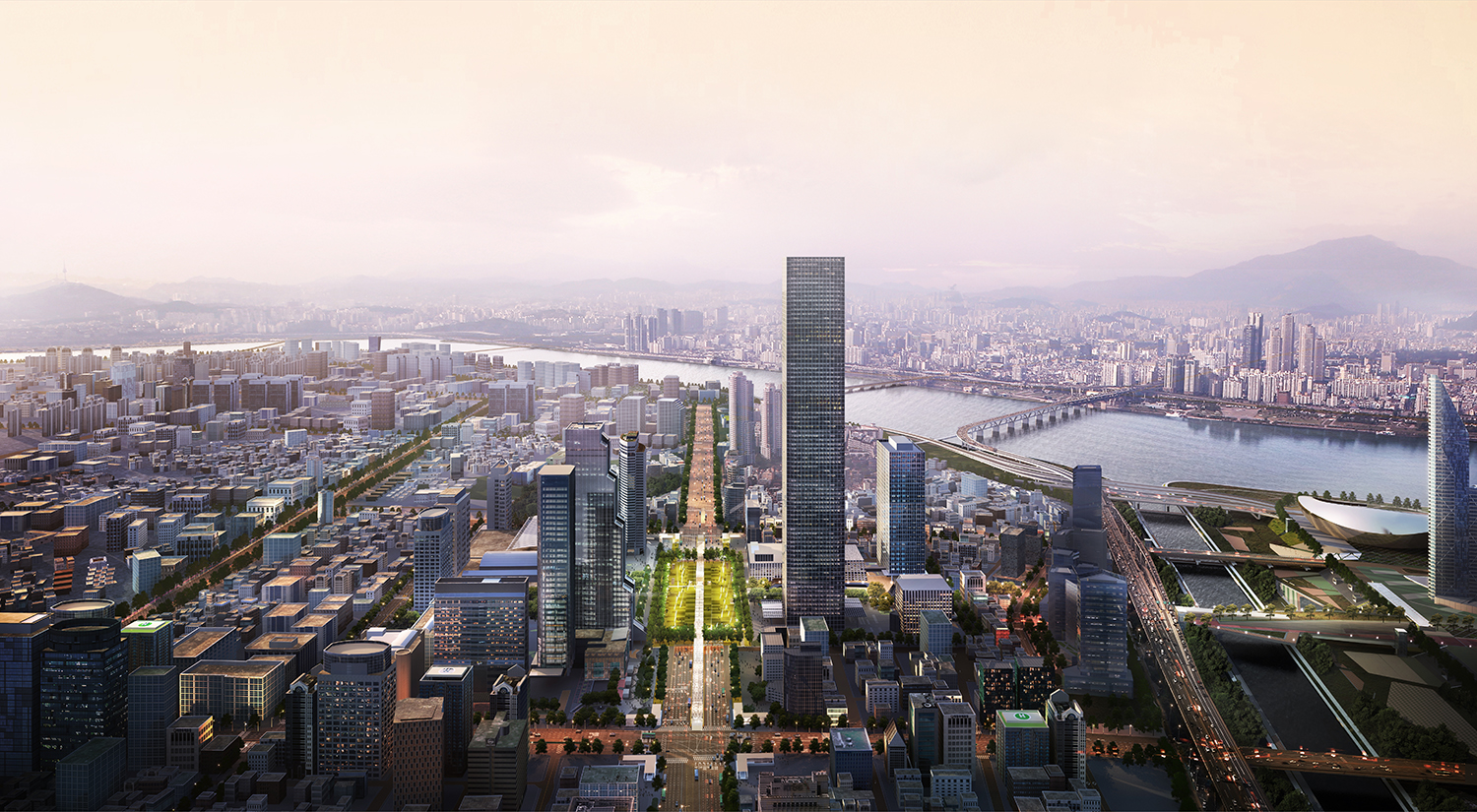
Ki Hyunchul (Ki): The ultimate goal of the Gangnam Integrated Transit Center is to reorganise the car-centric urban structure into one focused on pedestrians and public transportation, while securing green space on the surface. Vertically stacking urban railways such as the GTX and subways underground to secure pedestrian space on the ground is a rare case even in transit-oriented development. Once completed, it will generate a floating population of 500,000, and I believe the benefits brought by the creation of a Central Park-like green space on the surface will be immense.
SPACE: What potential did the design team focus upon when contemplating underground space? Also, what design techniques and technologies were introduced to overcome the limitations of being underground?
Ki: Underground spaces possess geothermal characteristics where the temperature remains constant throughout the year. This thermal stability drastically reduces heating and cooling loads compared to above-ground buildings, maximising energy efficiency. Furthermore, it provides a safe urban refuge and activity space that minimises the impact of rapid climate change and natural disasters occurring on the surface, such as typhoons or heavy rain. Above all, the greatest constraints of underground space are lighting and ventilation. To resolve this, we proposed the ‘Lightwalk’ for the Gangnam Integrated Transit Center and introduced two design concepts. One is natural lighting design. Natural light introduced deep underground, through sunkens and light ducts, provides a sense of comfort and allows users to perceive the passage of time. The other is a thermal labyrinth system and natural ventilation utilising underground passages. When outside air passes through maze-like underground structures, heat exchange occurs with the geothermal temperature. We adopted an eco-friendly ventilation method where cool air in summer and warm air in winter is introduced indoors.
SPACE: From the Korea Exhibition Center (KOEX, 1977) to the Gangnam Integrated Transit Center, Junglim Architecture has played a pivotal role in the urban development of Gangnam, bridging the surface and underground, as well as office and commercial sectors. Considering this continuity, what kind of spaces do you believe large-scale urban underground facilities should seek to become?
Ki: I would like to offer two suggestions. For people to inhabit underground spaces that were previously given over to automobiles, users must first feel a sense of psychological and physical safety. Efforts to bring natural light directly underground through light beams are rooted in this reason. Second, the diversity of programmes within the underground space must be secured. If commercial facilities are monotonously linked like a typical underground arcade, it will inevitably become a dull and tedious space.
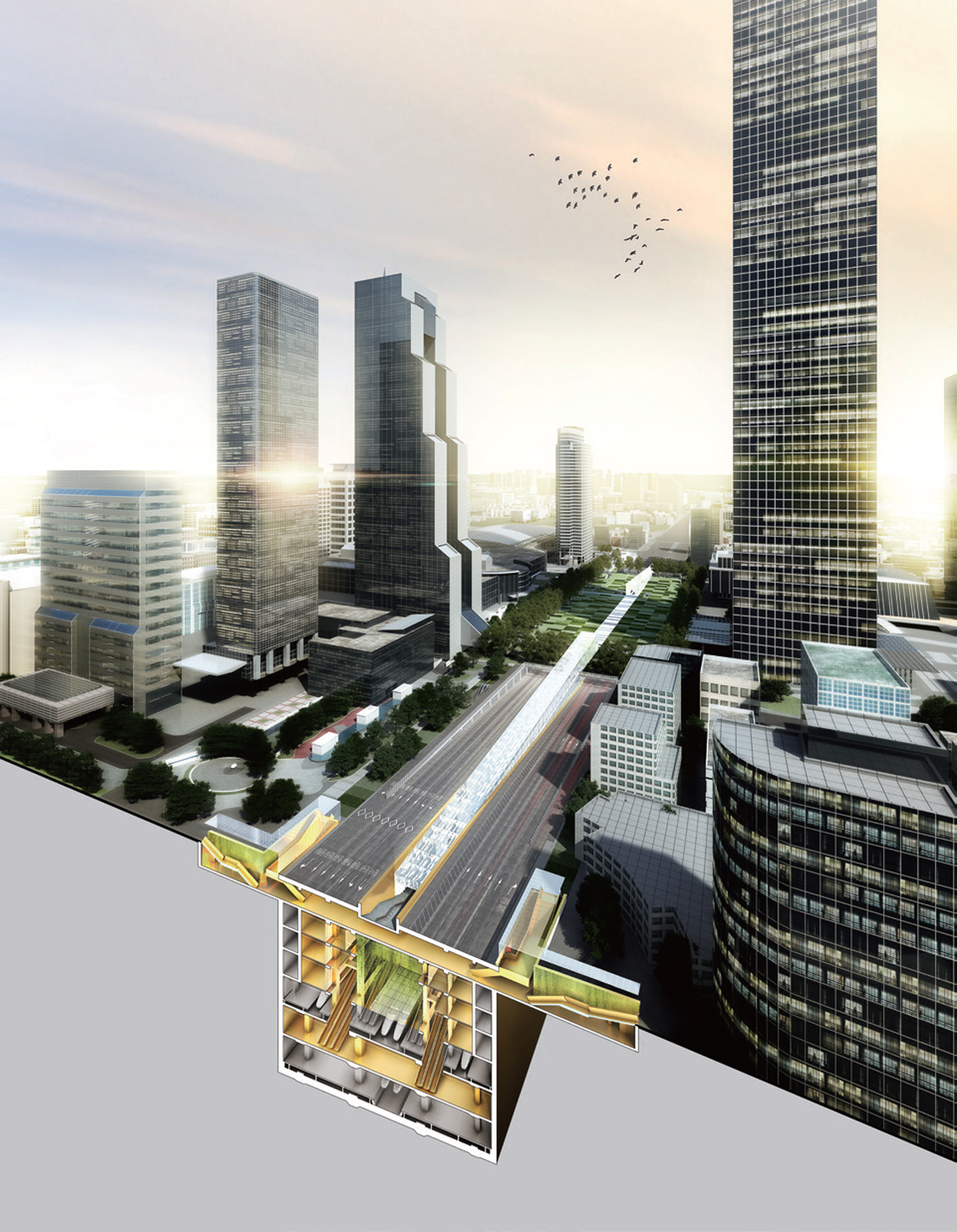
Rendering images of the Gangnam Intermodal Transit Center ©Junglim Architecture + Dominique Perrault Architecture (DPA)
Resilience: Mangsang Auto Camping Resort, Sea Level Rise Response Project
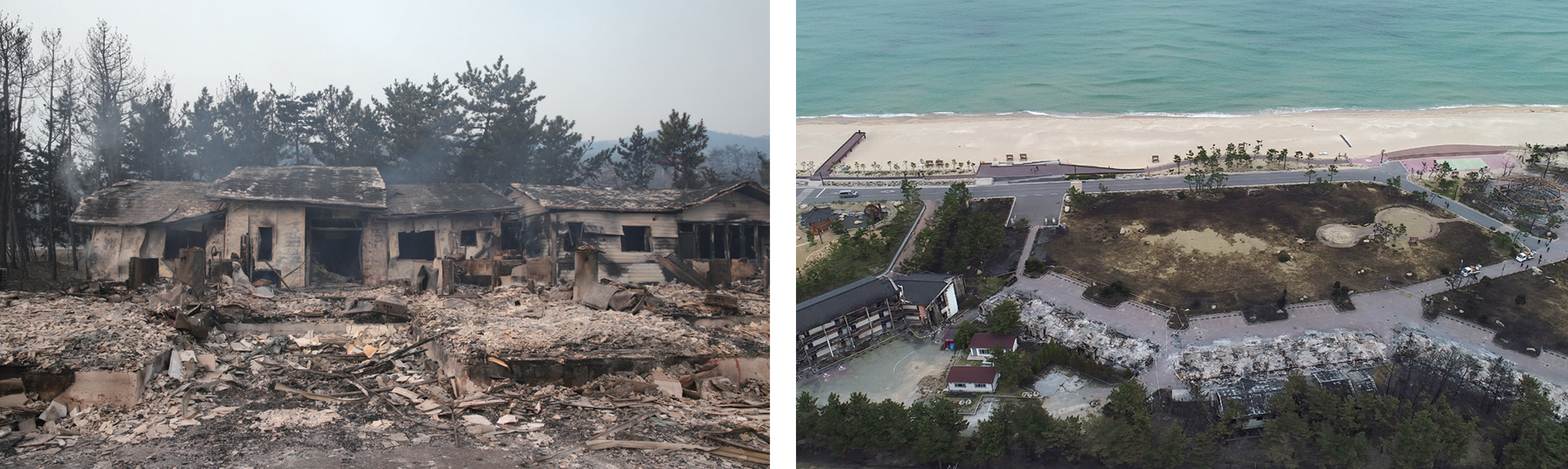
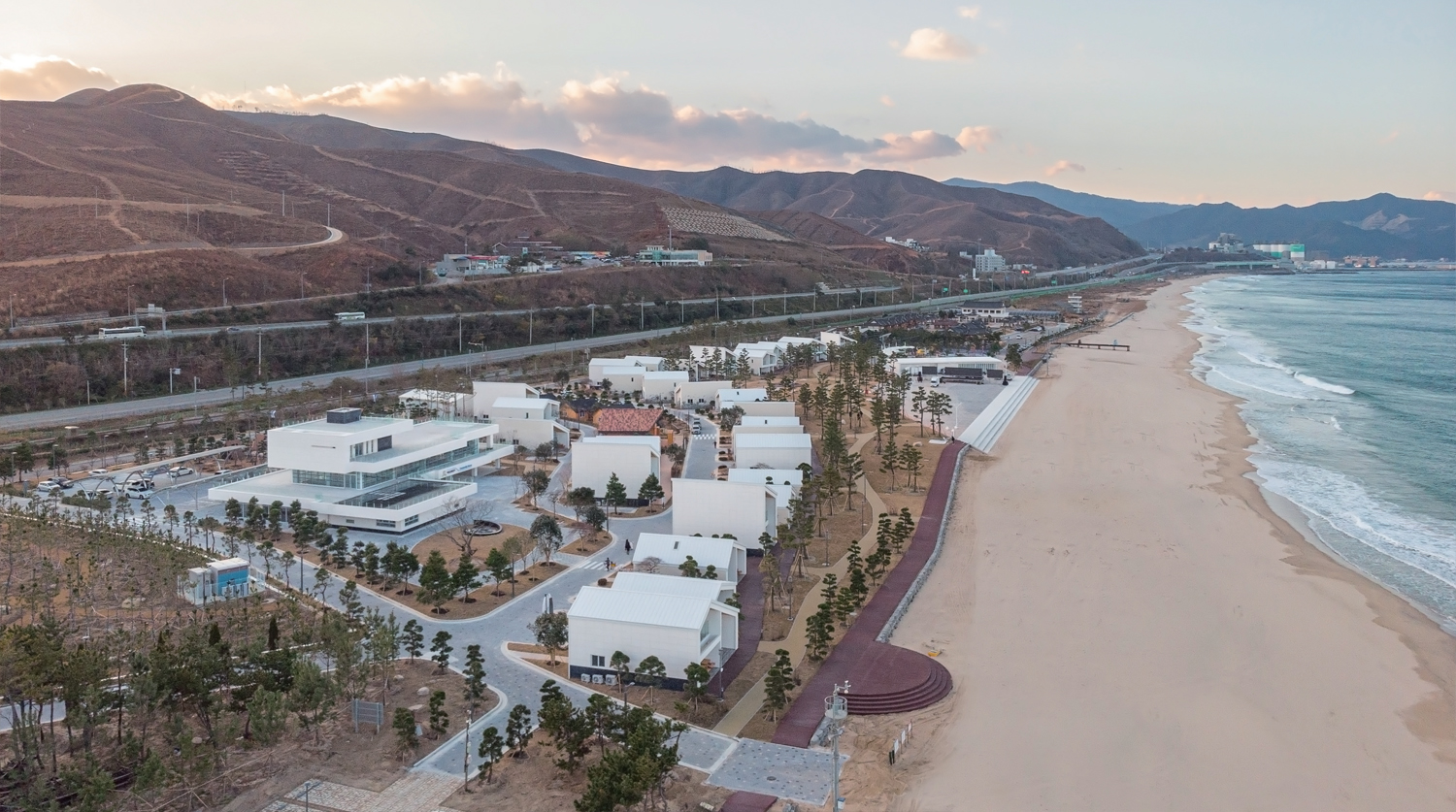
SPACE: We have reviewed tasks ranging from individual architecture to large-scale facilities and urban-scale works. You mentioned ‘resilience’ as one of the key topics of sustainability, which makes us consider how architecture and cities should prepare on a global scale as we face the current climate crisis.Lee: I believe I can introduce the Mangsang Auto Camping Resort as a case study in resilience. In 2019, a massive forest fire on the East Coast completely destroyed the campsite at Mangsang Beach in Donghae. Various camping infrastructure, including nearby houses, disappeared, and so we proceeded with the basic design as a form of talent donation to the Donghae City. While rebuilding the campsite, we opted for concrete instead of wood – which had been vulnerable to the flames – to imbue the project with the meaning of ‘psychological recovery’, a way of healing from the trauma of the disaster. We also ensured ample separation distances between buildings and simulated fire scenarios during the design phase.
Ahn Jeongtaek (Ahn): We are currently researching ways of responding to sea level rise alongside international experts, and this might be the issue that most closely aligns with the concept of resilience. Through this research, I have also clearly realised the difference between sustainability and resilience. While sustainability is a concept that considers maintaining a building under given environmental conditions – such as the site – remaining unchanged, resilience is predicated on the assumption that the environment can change, which necessitates more design intervention. For example, a sustainable design can propose ways by which a specific building can endure for a long time, but it cannot respond to a situation where the building is submerged due to rising sea levels. Resilience design involves predicting and designing for 50 or 100 years into the future under the premise that the environment can change. The fundamental strategies for responding to sea-level rise are defined as ‘Delay, Store, Discharge, and Protect’—concepts that are reportedly well-established in the Netherlands.
Rendering images of the Gangnam Intermodal Transit Center ©Junglim Architecture + DPA
Rendering images of the Gangnam Intermodal Transit Center ©Junglim Architecture + DPA
SPACE: The current climate crisis is expected to have various impacts on existing architecture and cities. How do you see the role of the architect expanding in this situation?
Ahn: While conducting research, I feel that the professional scope of the architect is being redefined constantly. Generally, in a contractual sense, an architect is a professional responsible only for work ‘within the site boundary’. However, to prepare for natural disasters caused by climate change, an approach on an urban level – ‘outside the site boundary’, such as villages or rivers – is essential. Therefore, there is a greater demand for the capacity to act as a facilitator who collaborates with experts in other fields while maximising their potential. Through conversations with researchers who conducted on-site research together, I began to think that we might even need to take on the role of raising awareness among residents or companies living in high-risk areas. In fact, researchers from the Netherlands – a country that has experienced multiple major floods and the threat of sea-level rise – have said: We have long believed that climate change will continue, so rather than fighting against the water, we seek ways to live ‘with’ it. I believe it is the role of a large-scale design firm to lead the way in continuing research and practice so that this social awareness can spread widely.
Mangsang Camping Site immediately after the fire Images courtesy of Donghae City
Currently Mangsang Auto Camping Resort ©Kim Changmook
The Role of R&D, Collaboration, and the Power of Organisational Design
SPACE: In previous projects, the Green Tech (GT) team, an internal eco-friendly specialised team, was mentioned. I am curious about how it operates. Furthermore, how are these experiences undertaken by Junglim Architecture recorded and used?Lee: The Green Tech team, which started as the eco-friendly team in 2009, has been organised for nearly 20 years. It is an organisation where all sustainability or eco-friendly architecture-related data for the projects we have carried out so far is accumulated. The team’s primary task is to support the design team during projects by matching the building’s goals or required ratings based on this data. The second is R&D conducted internally. In terms of design support, we provide project guidelines at the company level based on the volume of projects accumulated over the years.
SPACE: Finally, please share Junglim Architecture’s vision and direction regarding how its perspective on sustainability is expanding and deepening.
Lee: Recently, we have focused on uniting eco-friendly technology with innovative technology. While humanity has historically destroyed the environment by using technology to overcome it, we are now exploring ways of saving the environment using today’s innovative technologies. I expect this will be possible because the possibilities for use have increased through data-driven evidence collection, and the technological foundation to approach each design process scientifically is being established. Specifically, the challenges Junglim Architecture is currently preparing for are largely threefold. First, starting this year, the Eco-friendly Integrated Design Process will be mandatorily applied to all representative projects carried out by Junglim Architecture. Together with the GT team, we have established guidelines that redefine all processes conducted by the design firm, from schematic design (SD) to construction documents (CD), from an environmental perspective. Second, we are developing a separate manual to execute this, and in collaboration with the Digital Transformation (DT) team, which leads computational design including AI, we are developing practical simulation and research tools. I believe that the organisational design produces institutional synergy at this point of technological convergence. Third is Lifecycle Assessment (LCA). We recently completed the development of a tool that measures the carbon emissions of the entire process from material transportation to installation, construction, and demolition. In Europe, it is easy to use this in design because carbon emissions can be measured with common tools based on social consensus among material companies, but such a foundation is still lacking in Korea. We plan to launch a pilot project to see how we can apply our internally developed carbon measurement tool to actual projects. Once verified, we also plan to apply it to all projects. We anticipate that if a large firm takes the lead in sequentially proposing directions and establishing systems through testing, it will be able to broadcast its attitude and direction regarding sustainability—not only to the architects within Junglim Architecture but also to those throughout the industry.