
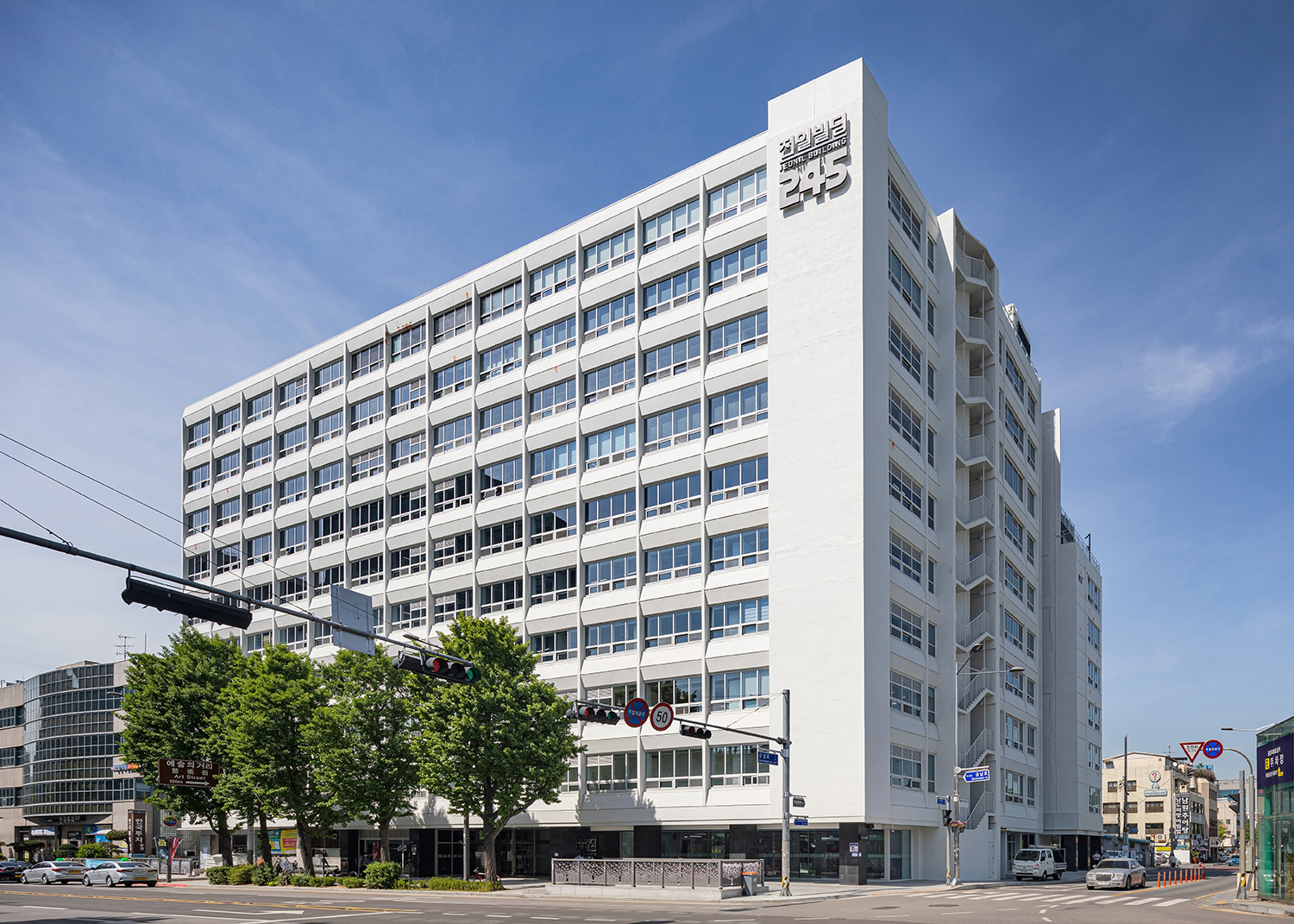
For over 50 years, the Jeonil Building (currently Jeonil Building 245) stood as a landmark in Geumnam-ro, Gwangju, and a historic site for the May 18 Democratization Movement. However, it gradually lost its prominence following the relocation of the provincial office and the building’s deterioration. The 2015 opening of the Asia Culture Center sparked a public consensus to revive the building as a complex cultural space. Under the concept of ‘coexistence between old and new’, the design team focused on inheriting the spirit of May 18 and restoring the building’s symbolic value.
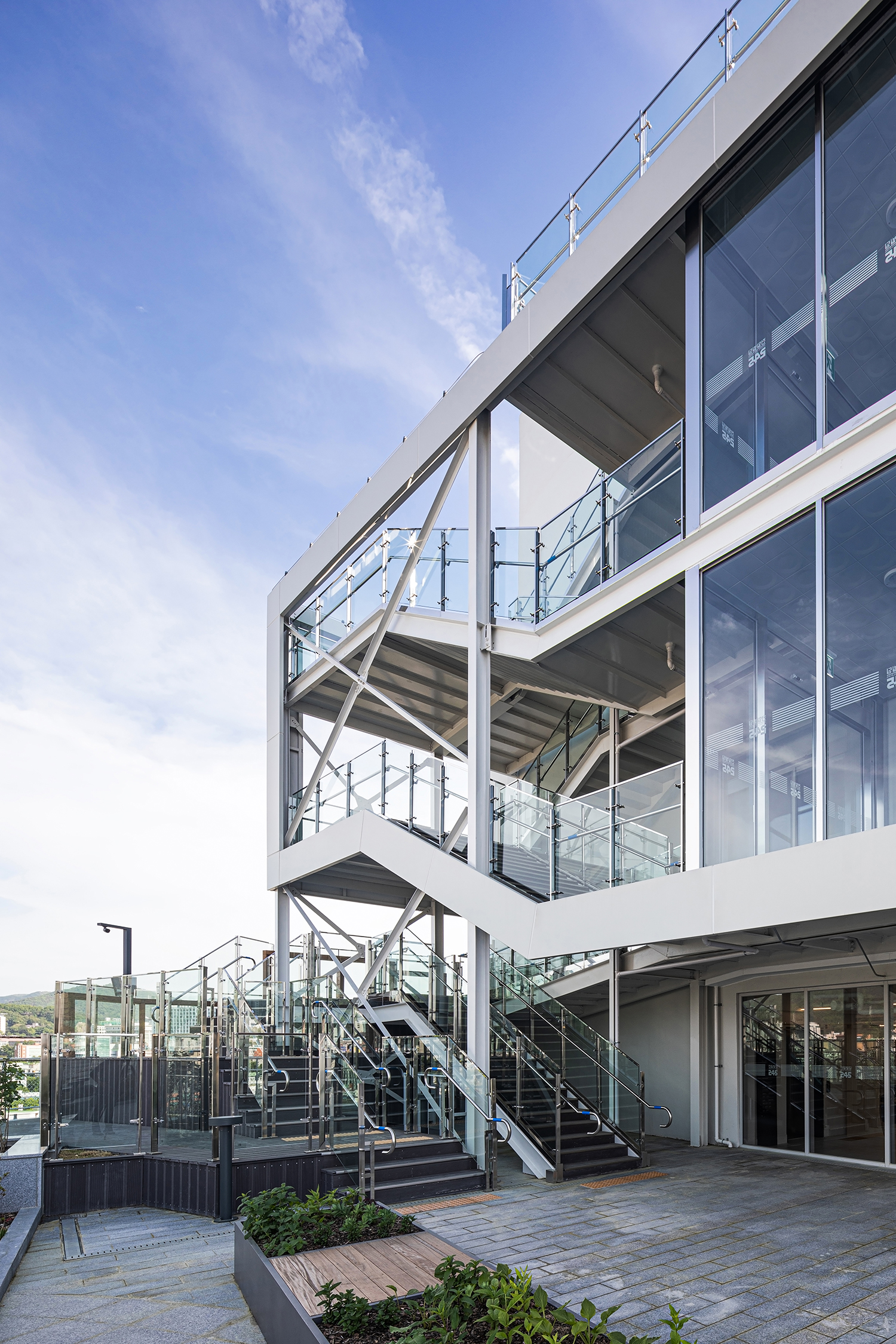
The outdoor staircase leading to the roof terrace
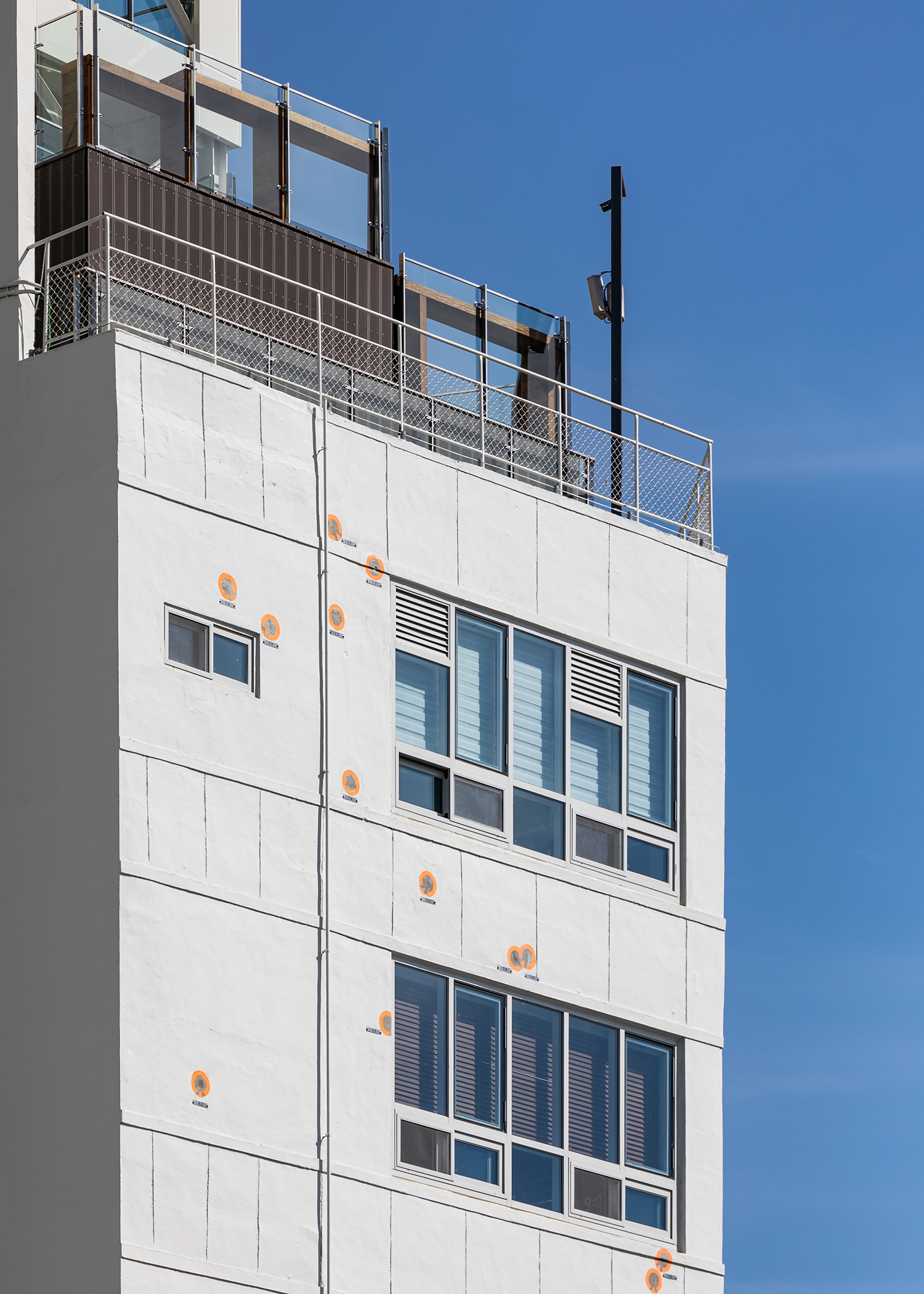
A façade bearing bullet marks
Specifically, 245 bullet holes remaining on the exterior and interior were preserved exactly as they were, following a conservation plan validated through four rounds of review by the National Forensic Service. While most of the exterior walls were treated with two coats of eco-friendly water-based paint to ensure non-combustible and semi-non-combustible finishes, the exterior walls where bullet marks were found underwent a process of preservation to retain their original state and marked so that the direction and location of the bullets could be identified. The bullet marks remaining inside the 10th floor were also preserved as they were, transforming the 9th and 10th floors into an exhibition space commemorating the May 18 Gwangju Uprising so that citizens could view them.
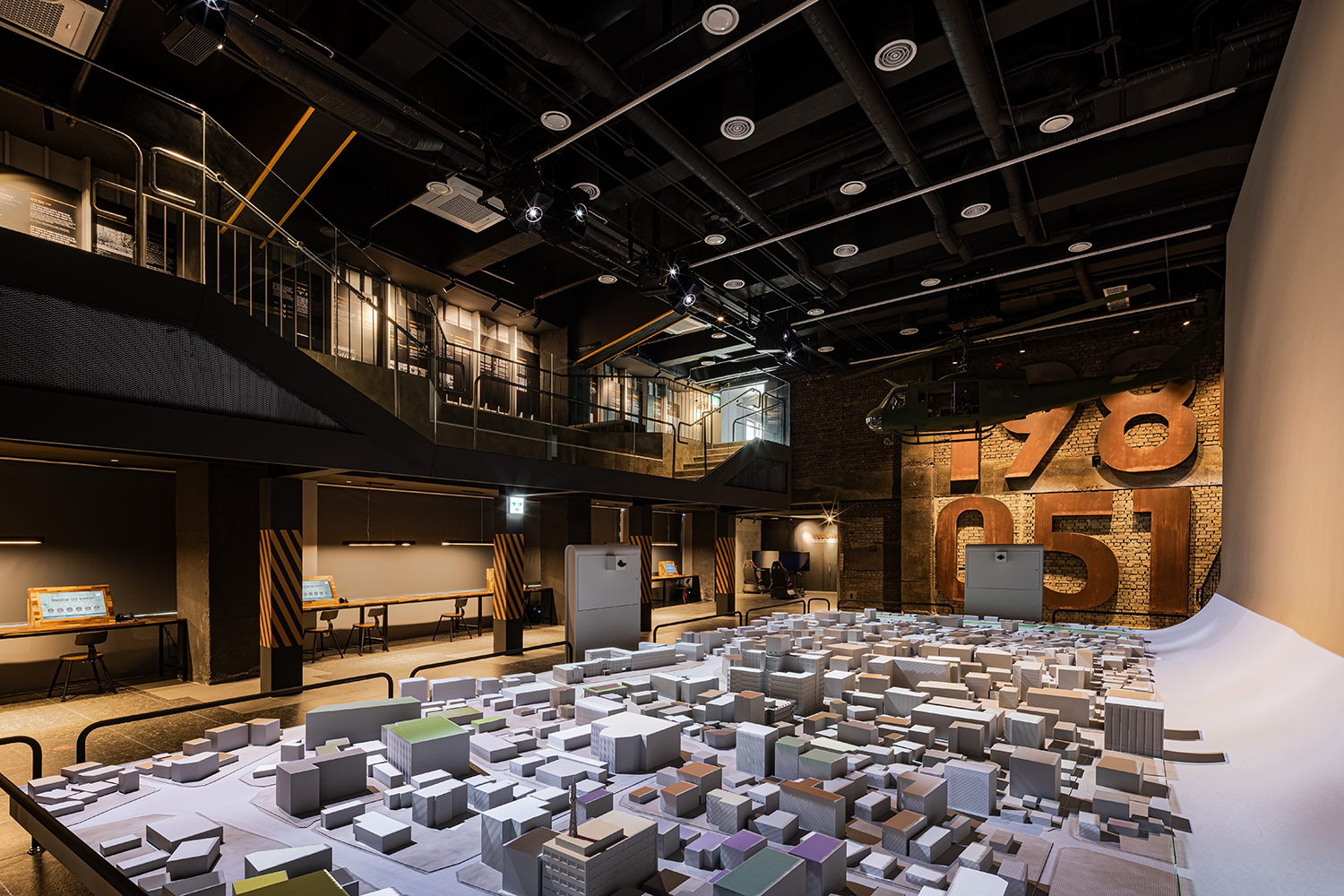
The 9th floor, which has been converted into an exhibition space
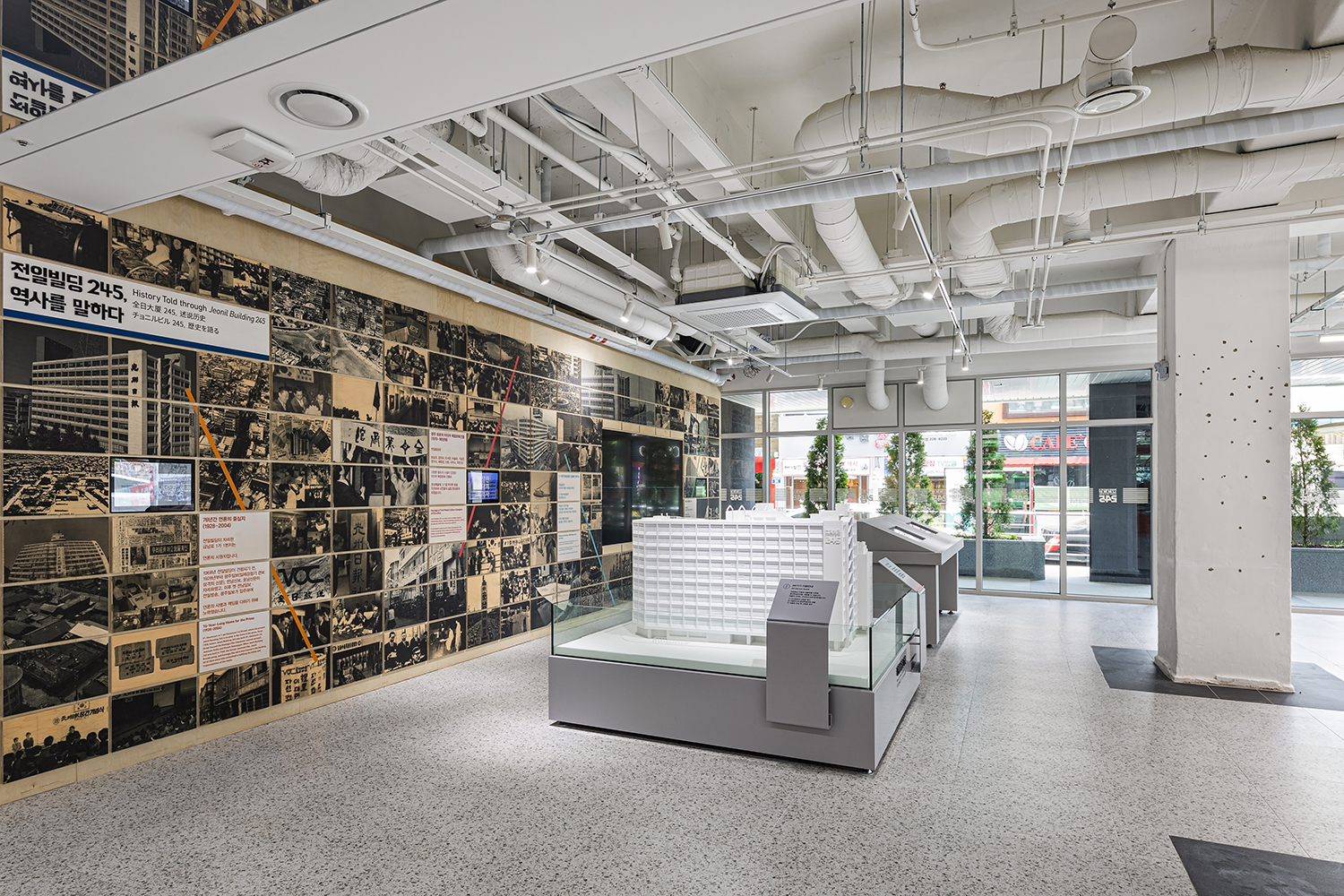
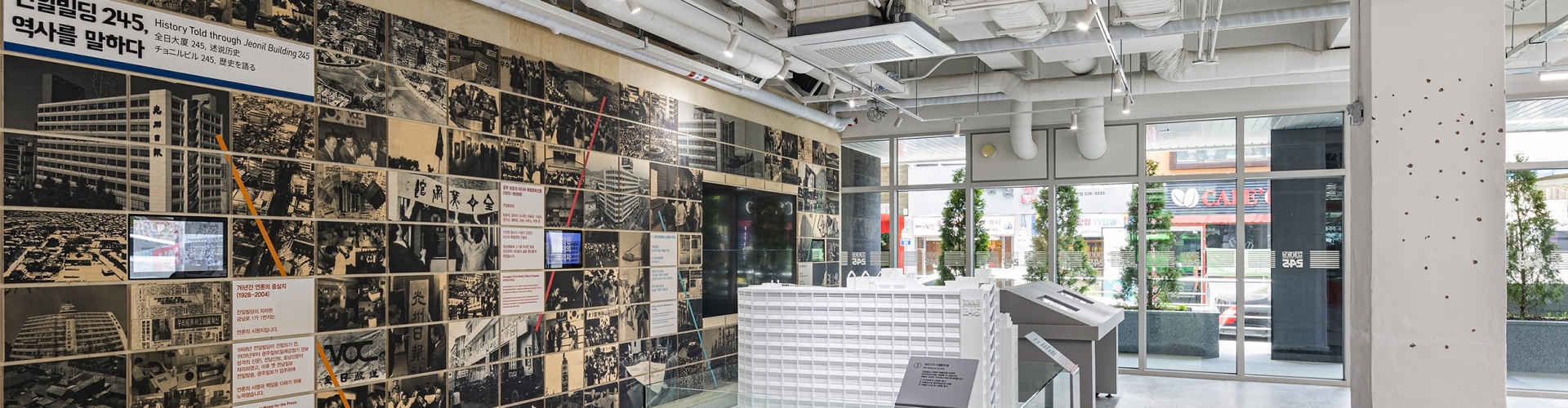
The newly opened exhibition space in the ground floor lobby
You can see more information on the SPACE No. May (2026).
10