
SPACE January 2026 (No. 698)
Following the feature on Yung Ho Chang (covered in SPACE No. 690, FEATURE section), SPACE and Inha Jung (Professor, Hanyang University) trace the history of modern East Asian architecture in this interview with Kuma Kengo. Kuma experienced the rise and fall of Japan’s bubble economy firsthand during his university studies and early years of practice. Critically viewing the architecture of the bubble era – which he saw as ostentatious as American Postmodernism – he sought a different architectural path, diverging from the previous generation of architects who flourished during that economic boom. This interview with Kuma will be published in two parts. In this first installment, we examine an architectural attitude he has maintained over the years by charting the early experiences that formed his architectural foundations, his use of materials as a counterpoint to concrete, and the conceptual dichotomy between form and freedom.
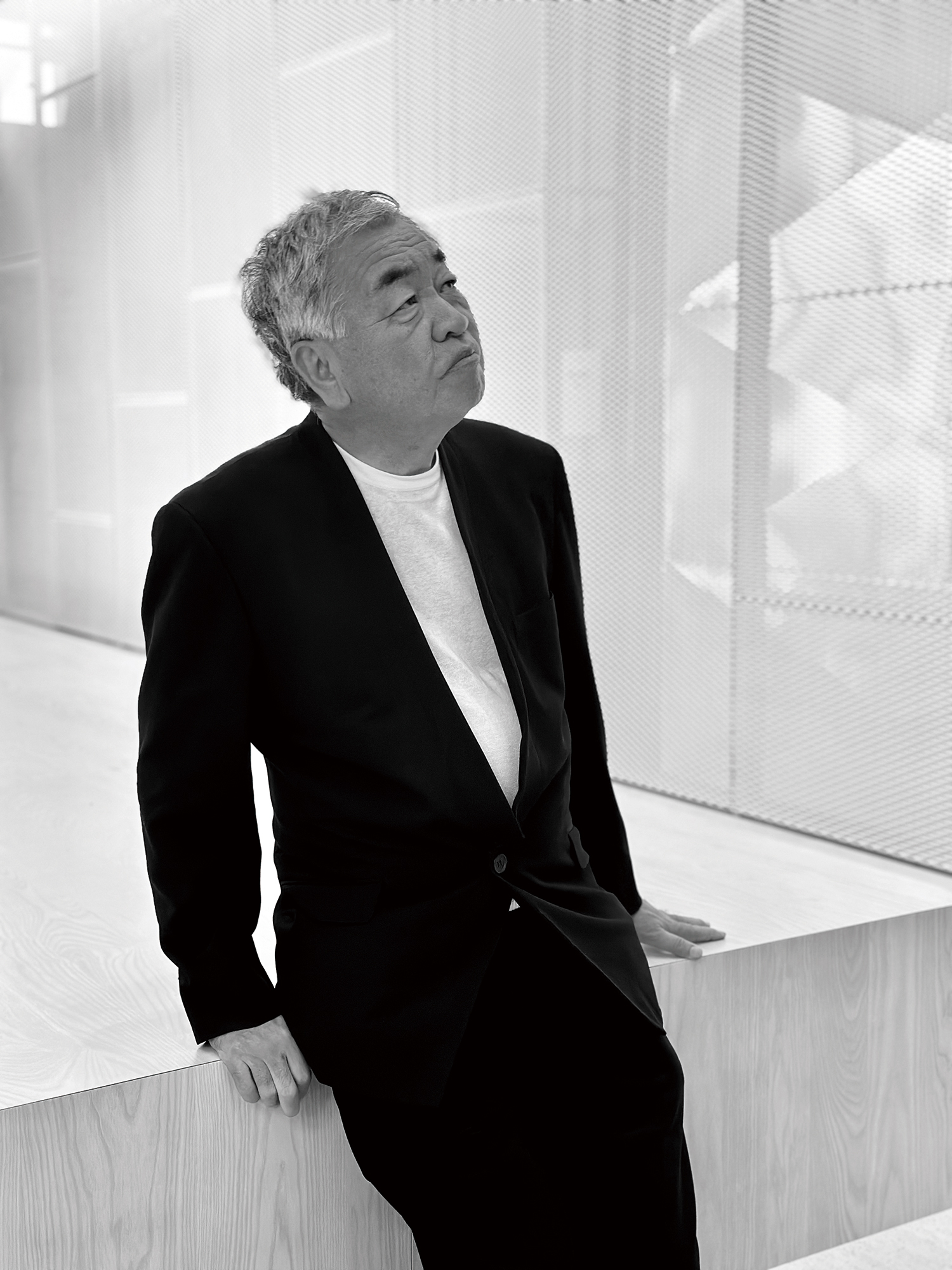
©Erieta Attali
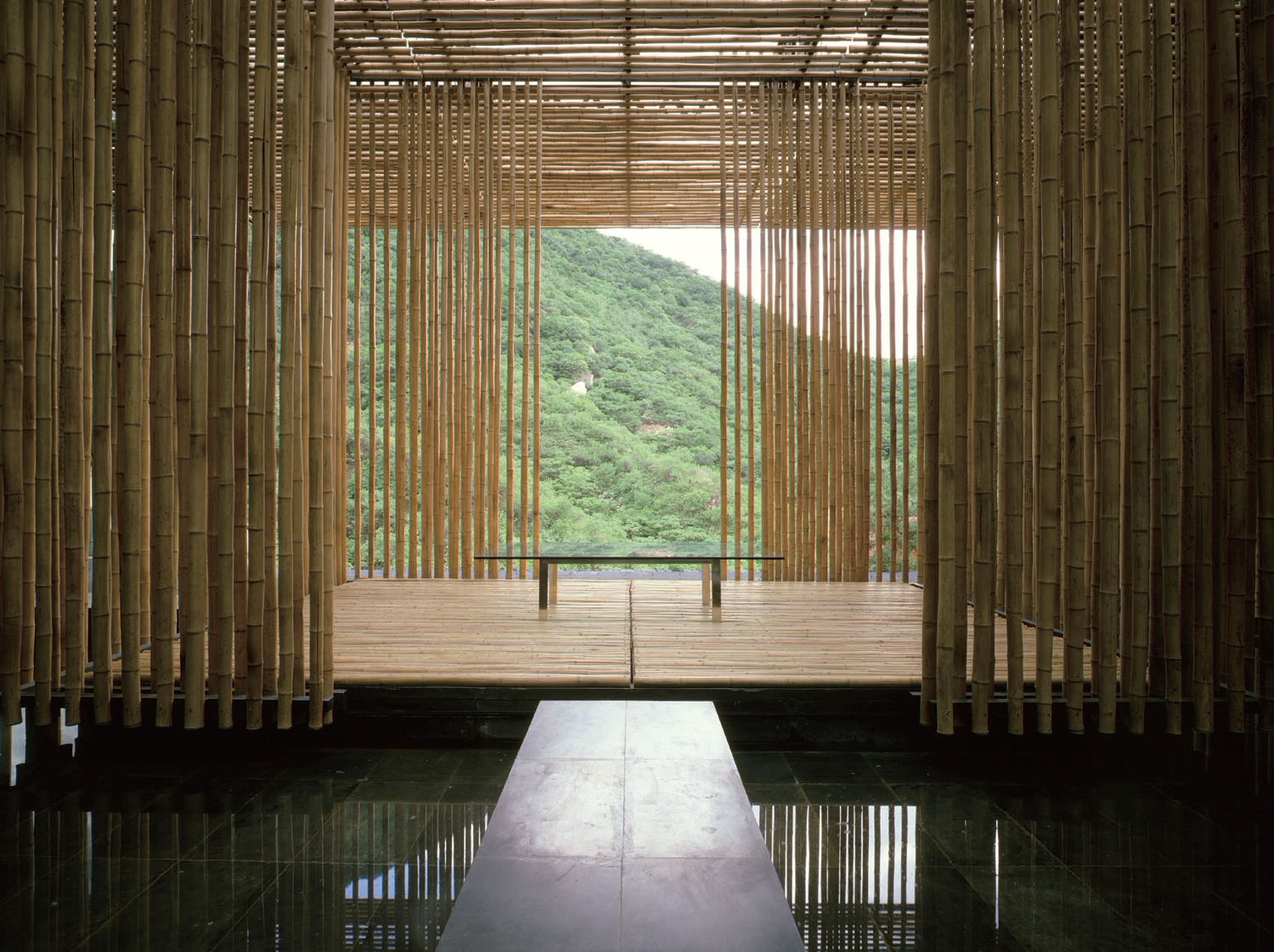
©Kengo Kuma & Associates
Interview Kuma Kengo Principal, Kengo Kuma & Associates × Inha Jung Professor, Hanyang University
Childhood as the Basis for Architecture
Inha Jung (Jung): To start, I’d like to ask about your personal background. I know that you were born in a small town near Yokohama. Could you tell us about your family environment and the town at that time?
Kuma Kengo (Kuma): Yes, I was born in Okurayama, a small town situated between the big cities of Yokohama and Tokyo. Back in 1954, when I was born, Okurayama was mostly rice paddy fields with no big buildings. It was a farming environment. I think I was very lucky to spend my boyhood in that kind of setting. My friends were basically farming the prairie in the small town, living a lifestyle that hadn’t changed much since before World War II.
As you know, satoyama means ‘village mountain’ in Japanese. It represents the basic structure of a small Japanese village where houses are aligned between the village and the mountains. Okurayama was exactly that; life there was deeply connected to the natural resources of the satoyama. Until the nineteenth century, before we had electric companies, people harvested wood from the satoyama to build houses, make furniture, and use as fuel for daily life. Without maintaining this cycle, satoyama communities couldn’t survive. My father was a strict businessman who loved design and architecture, but I also experienced that lifestyle in a farmer’s house firsthand. That experience became the basis of my architectural practice.
Jung: I read in the Korean translation of your book that you grew up in a wooden house built by your grandfather. It seems this house had a great impact on your later work. Could you describe this house and its influence on you?
Kuma: Between 1959 and 1960, many housing projects has happened in that area. Most of my friends lived in these modern houses made of new materials—no wood, no tatami, and no shoji screen. They had only vinyl closes, fluorescent lights, and plywood walls.
My house was the complete opposite; it was built with natural materials and local craftsmanship. The house I was born in was a small, intimate wooden house built before the war. It preserved that typical pre-war style—tatami mats, clay walls, and shoji screens.
Honestly, when I was a kid, I didn’t like my house at all. It looked poor compared to the new ones, and I felt ashamed of it. But as I grew up, I slowly began to understand its beauty. By the time I started studying architecture at university, I had become very proud of the design of my house.
Jung: When did you first decide to major in architecture at university? And what led you to that decision?
Kuma: The most important moment was when I had the chance to visit the Yoyogi National Gymnasium (1964) designed by Tange Kenzo. That happened in October 1964. I was ten years old, and my father brought me to the stadium. I was shocked to see such a beautiful building. The design was structurally amazing; it looked like it was floating, suspended from two gigantic columns. The shape was organic, and the geometry was completely different from normal buildings.
Before that day, my dream was different. I wanted to become a veterinarian because I loved cats. But when I saw that building, I asked my father, ‘Who designed this?’ and he told me it was Tange Kenzo. From that day on, my dream totally changed from veterinarian to architect—from animals to architecture. It was the complete opposite.
After that day, I was always thinking about design. Before entering university, I visited the Osaka World Expo in 1970. Tange designed the main plaza, and Kurokawa Kisho designed five or six buildings; Metabolism was the protagonist of that expo.
I visited with a friend, but it was actually very disappointing. I had read many of Kurokawa’s books on Metabolism, where he wrote about the importance of nature and of Asia. However, the reality of the 1970 expo felt different from nature and different from Asia. That was so disappointing. However, having that experience at age 16 was very important. It gave me a chance to think deeply about what I should do in the future.
Nakagawa-machi Bato Hiroshige Museum of Art (2000)
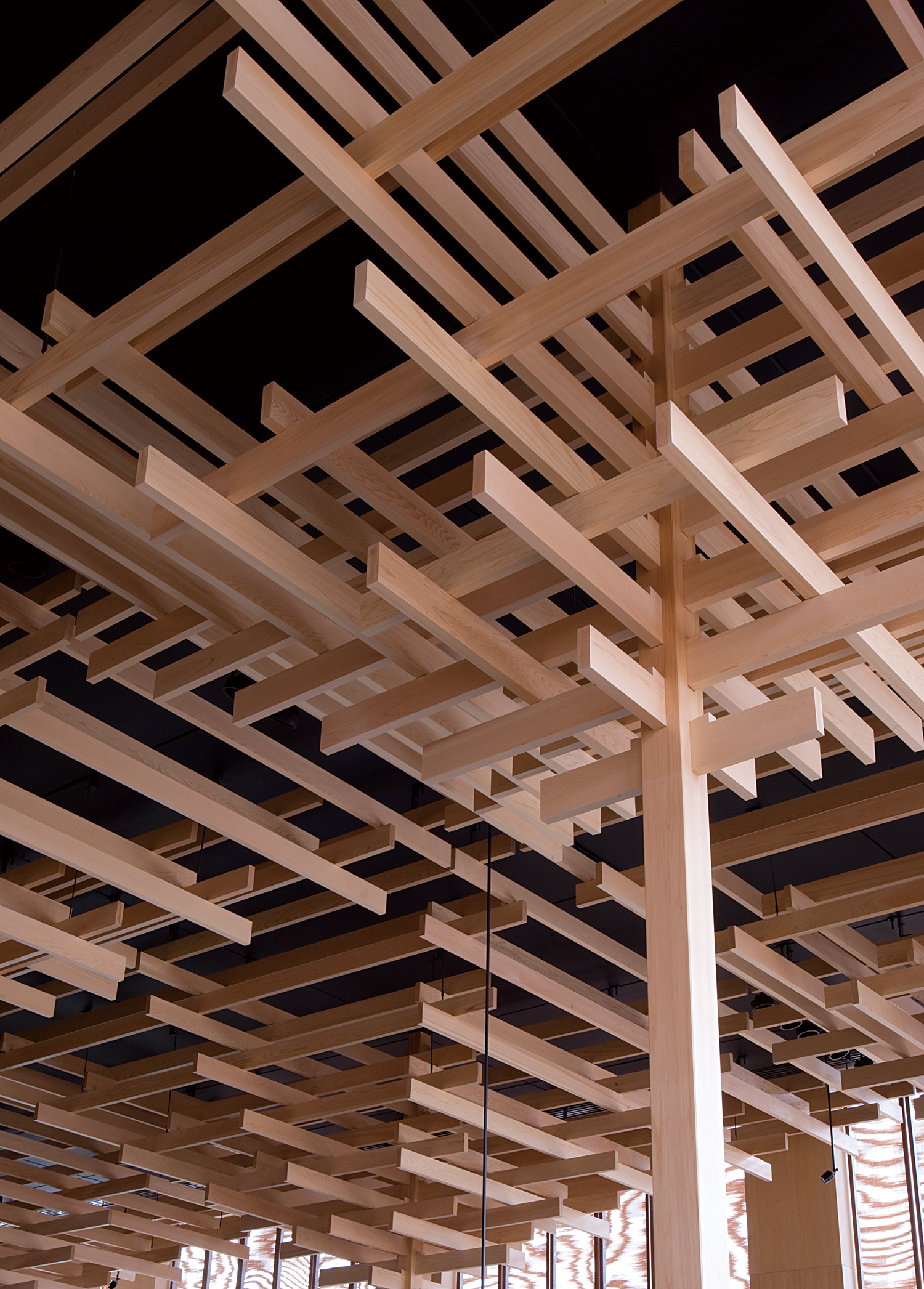
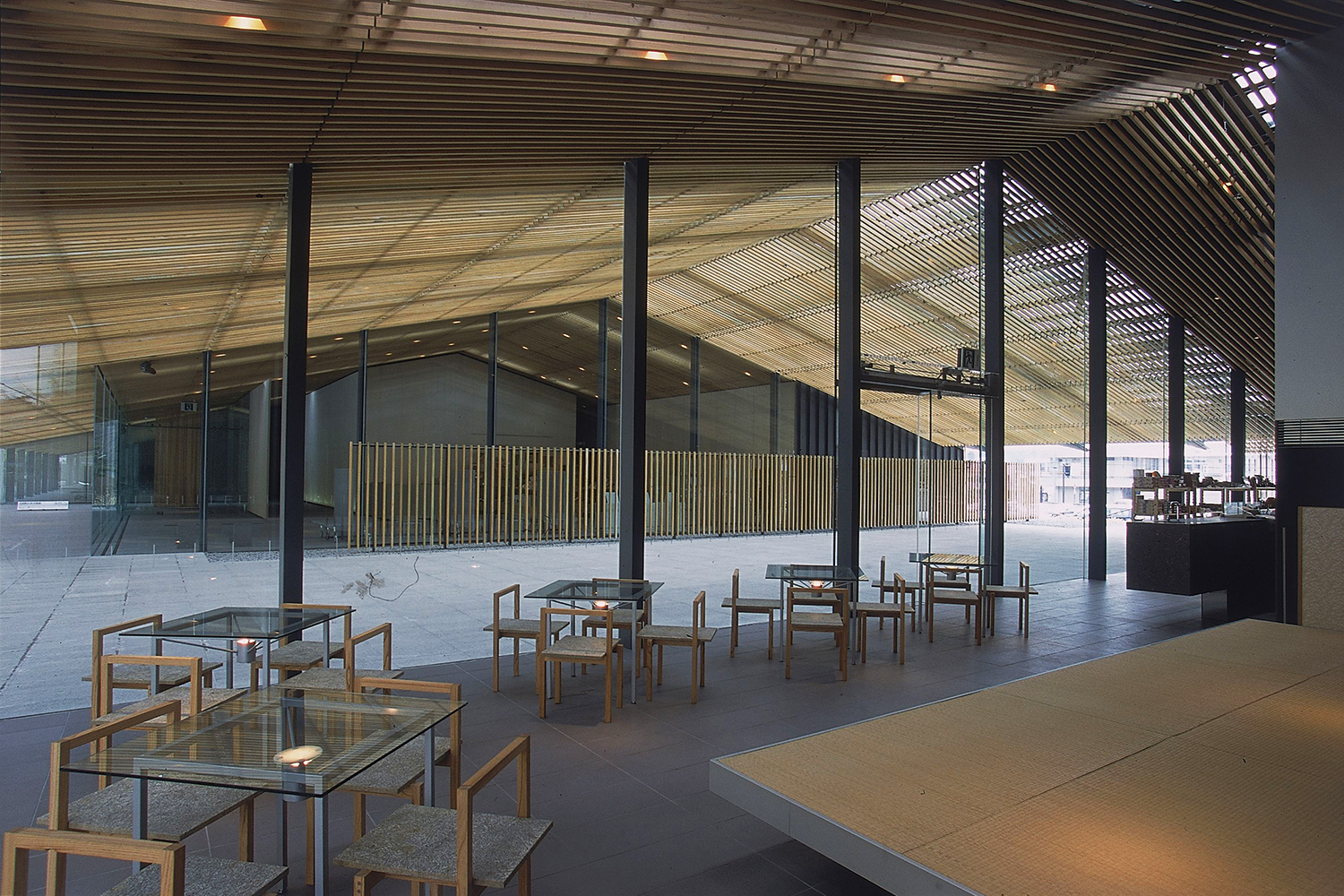
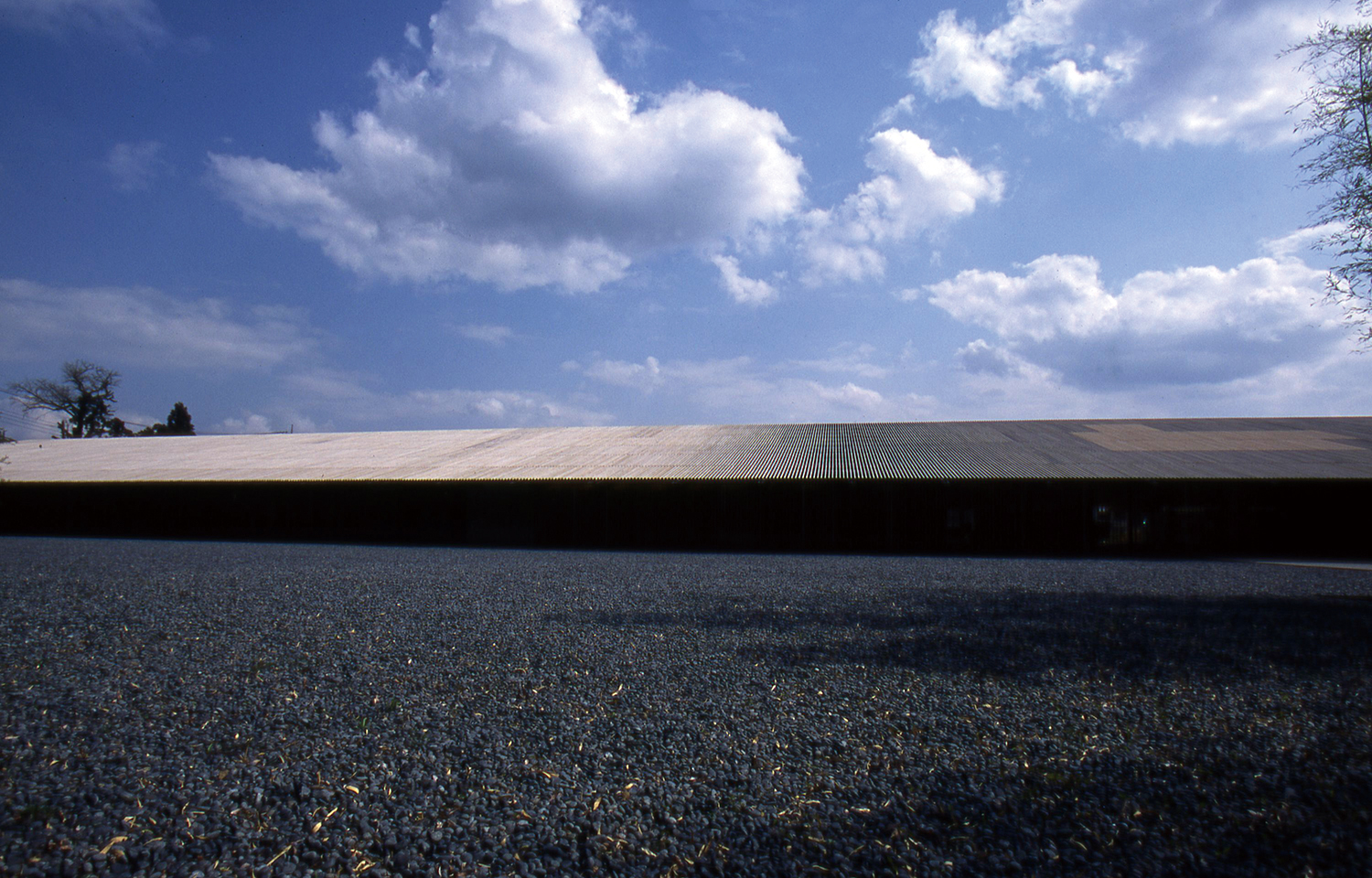
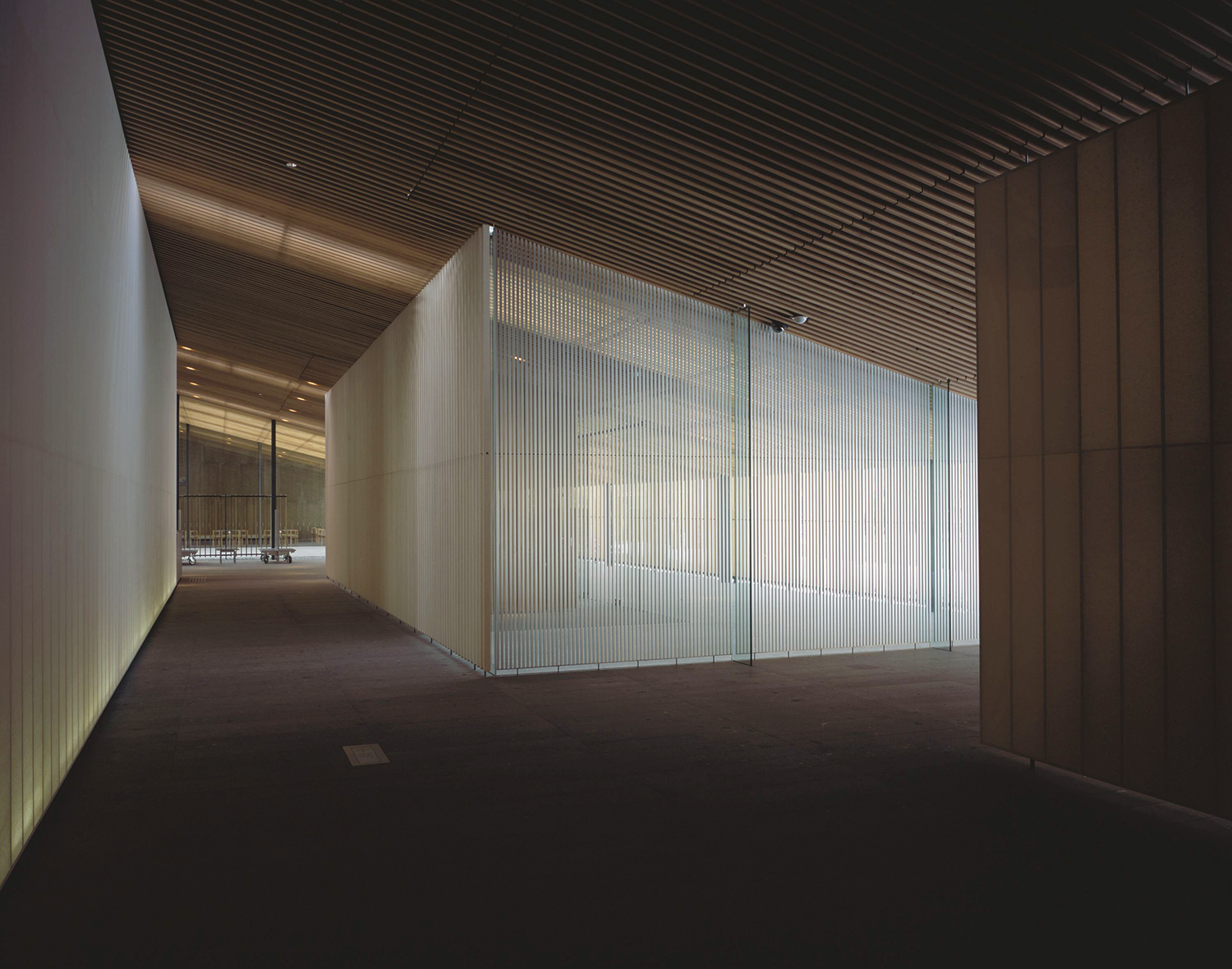
Located in Tochigi Prefecture, Japan, this museum is dedicated to the works of the ukiyo-e artist Ando Hiroshige (Utagawa Hiroshige). Kuma sought to implement the unique spatial configuration found in Hiroshige’s woodblock prints into a three-dimensional space. The artist's signature method of overlapping transparent layers – which contrasts with Western perspective and notably influenced Frank Lloyd Wright – served as a central motif. To realise this, Kuma used louvres made from local Japanese cedar. These slender louvres gently control the light, whilst the active use of indigenous materials, such as local stone and paper, aims to foster a symbiosis with the regional community.
Seeking a Different Path in an Era of Upheaval
Jung: The 1970s, when you were studying architecture at the University of Tokyo, was a time of major political and economic upheaval in Japanese society. How did you respond to these changes?
Kuma: The 1970s was a critical period for Japan. Before the 1970s, it was simply a period of economic expansion. The population and GDP were growing very fast. But after 1970, suddenly, population growth slowed, the economy stagnated, and the entire atmosphere of society changed completely. When I entered university, I felt that big shift in Japanese society firsthand.
At that time, I felt that the generation of Tange Kenzo, Kurokawa Kisho, Isozaki Arata, and Kikutake Kiyonori couldn’t keep up with that change. I was trying to find another direction in architectural design that would fit this new societal reality.
To understand this change, I decided to study under Professor Hiroshi Hara. Meeting him was a very important event in my life.
Jung: We will continue the discussion about Hara Hiroshi in more detail later, but first, I’d like to ask about the influence of architect Maki Fumihiko. You have frequently mentioned Maki’s influence in your writings. Specifically, what aspects of his ideas and works influenced you?
Kuma: At the 1970s, when I entered the university, I didn’t align with the atmosphere cultivated by the previous generation of architects I mentioned earlier. However, Maki took a different approach to those groups. While Tange was interested in both architectural and urban design, among his disciples, Maki had the strongest interest in the actual urban environment. Unlike Tange, whose ideal city was a ‘linear city’ defined by strong axes, Maki understood the charm of the somewhat mixed, human-scale cities of Asia and sought to realise this in his work. His designs appeared very intimate, humble, and in harmony with their environments. I felt a strong sympathy towards his attitude concerning the environment. Because of that connection, I did an internship at Maki’s office for three or four years during my undergraduate and master’s studies. During that time, we became very close. It was a very important experience.
Jung: You studied architecture during the Bubble era and began practicing in the post-Bubble era. Could you tell me about the differences between these two periods and any changes you felt?
Kuma: Even when I began practicing in the 1980s, Japan was still in the Bubble economy era. At that time, projects focused on the surface and façade of design were overflowing. I also worked on several projects, but I am not satisfied with the works from that period, including the M2 building (1991).
In 1991, a totally different era began. It was the starting point from which the texture of architecture changed. As the bubble economy burst, my projects in Tokyo were cancelled, and I turned my steps towards the countryside. For the next decade, I didn’t engage in any projects in Tokyo. Instead, I worked on small-scale projects in rural Japan involving local carpenters. Looking back now, I was very lucky to have had that experience in the countryside. By conversing with carpenters on site, I was able to learn aspects of craftsmanship that I wasn’t able to learn at university. Education at the University of Tokyo was only for concrete, steel, and modernism. It wasn’t until the 1990s that I was able to learn Japanese tradition and true craftsmanship from real carpenters.
©Kengo Kuma & Associates
©Kengo Kuma & Associates
A Geometric Study of Vernacular Architecture
Jung: In my view, Hara Hiroshi was a different type of architect. As seen in the Umeda Sky Building (1993), he seems to have pursued grand and imaginative architecture. What role did he play as a mentor in shaping your career?
Kuma: Hara stood at the complete opposite end from other architects. Kurokawa also wrote about the importance of Asian design and the beauty of Asian cities, but his practice was a kind of postmodernism. Also, as represented by Bernard Rudofsky’s Architecture without Architects (1964), the tendency in the West at that time was to study villages with a somewhat nostalgic or Orientalist attitude.
On the other hand, Hara’s attitude was not rooted in nostalgia or Orientalism; he sought to find the essence of the village. He tried to introduce the concept of the village into contemporary architecture—bringing the intimacy and wisdom of old villages into the modern day. That was a huge challenge. I was greatly inspired by his attitude and ideas.
However, I don’t prefer the materiality Hara used in his masterpieces like the Umeda Sky Building and Kyoto Station (1997). The materiality there is very industrial – aluminum, glass, and concrete – and I don’t like that kind of materiality.
Jung: You traveled to various regions with Hiroshi Hara to study vernacular houses and villages around the world. How did this journey influence your architectural theory and practice?
Kuma: You could say that my architectural philosophy was formed through my experiences in Africa. In the 1970s, I participated in a research trip to the Sahara Desert with Hara, and I learned many things there.
The most shocking discovery was regarding family structures. While we take monogamy for granted, polygamy was the standard there, and that family arrangement was closely linked to the floor plan of the dwellings. Realising that what we believe to be the ‘standard’ is quite different from the global standard was a huge lesson for me.
Through those travels to villages around the world, I learned the secret structures behind the surface of the village. Most historians studying Japanese villages only looked at the style; they didn’t think about the hidden structure. I don’t like that approach because it is very nostalgic and postmodern.
Hara was totally opposite. He viewed the village mathematically and geometrically. He believed that Western urban planning, including Modernism, was dominated by Euclidean geometry based on right angles. He always encouraged us to study ‘new mathematics’ – like non-Euclidean geometry and topology – to create urban planning that could counter that.
However, I think he didn’t quite reach the level of mastering this ‘new mathematics’ as an effective practical tool at that time. That said, the book I wrote five years ago, Ten, Sen, Men (2020), is based on Hara’s studies of the geometry of the village.
Jung: Next, I would like to discuss the influence of Team X. Your research on vernacular architecture seems deeply connected to the Structuralist thinking of European architects like Aldo van Eyck. In your books, you frequently mention that architecture is not necessarily required in an age of climate crisis, and I felt this perspective resembles the Structuralist thinking of European architects. Do you believe these two concepts are closely connected?
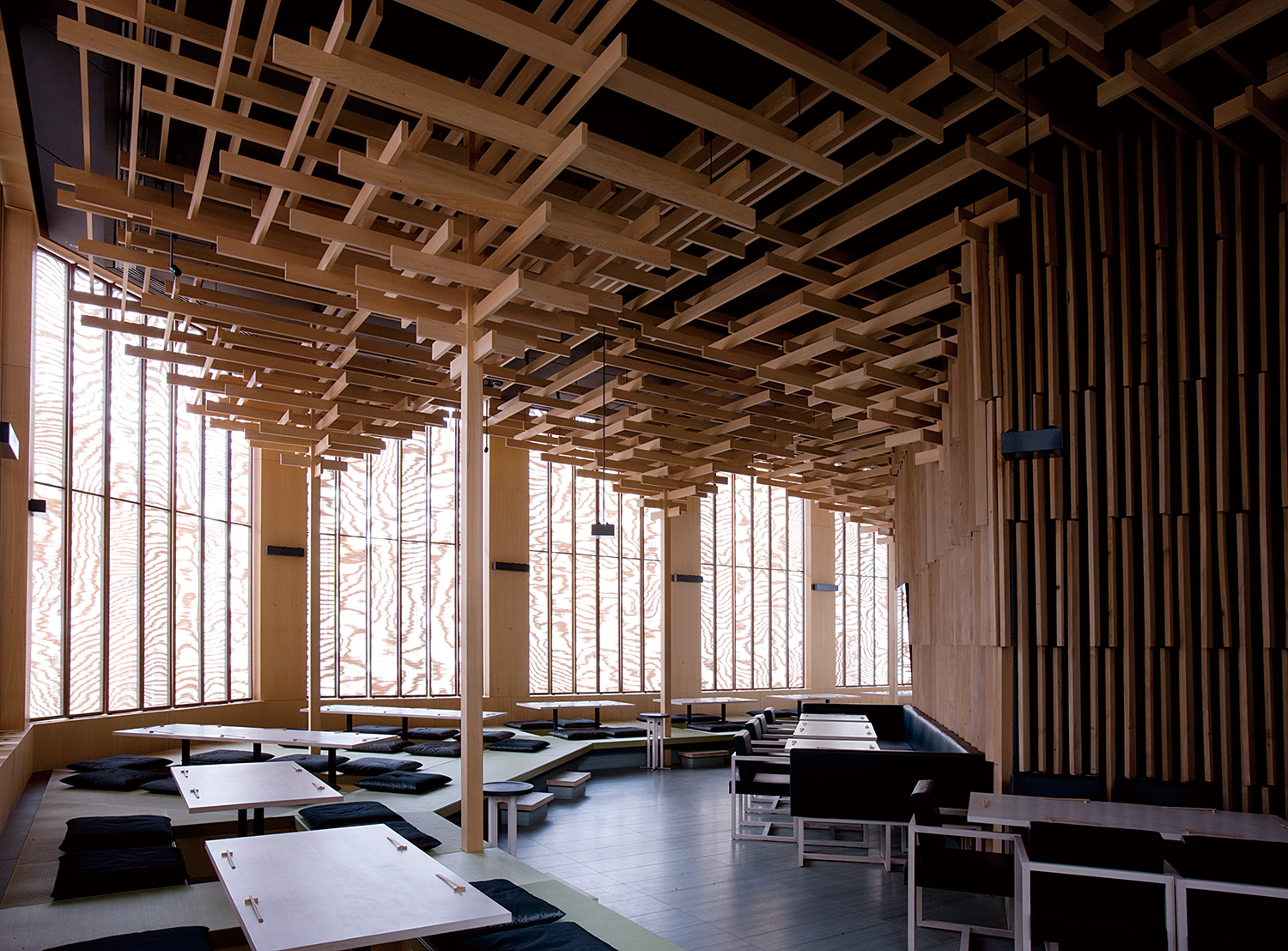
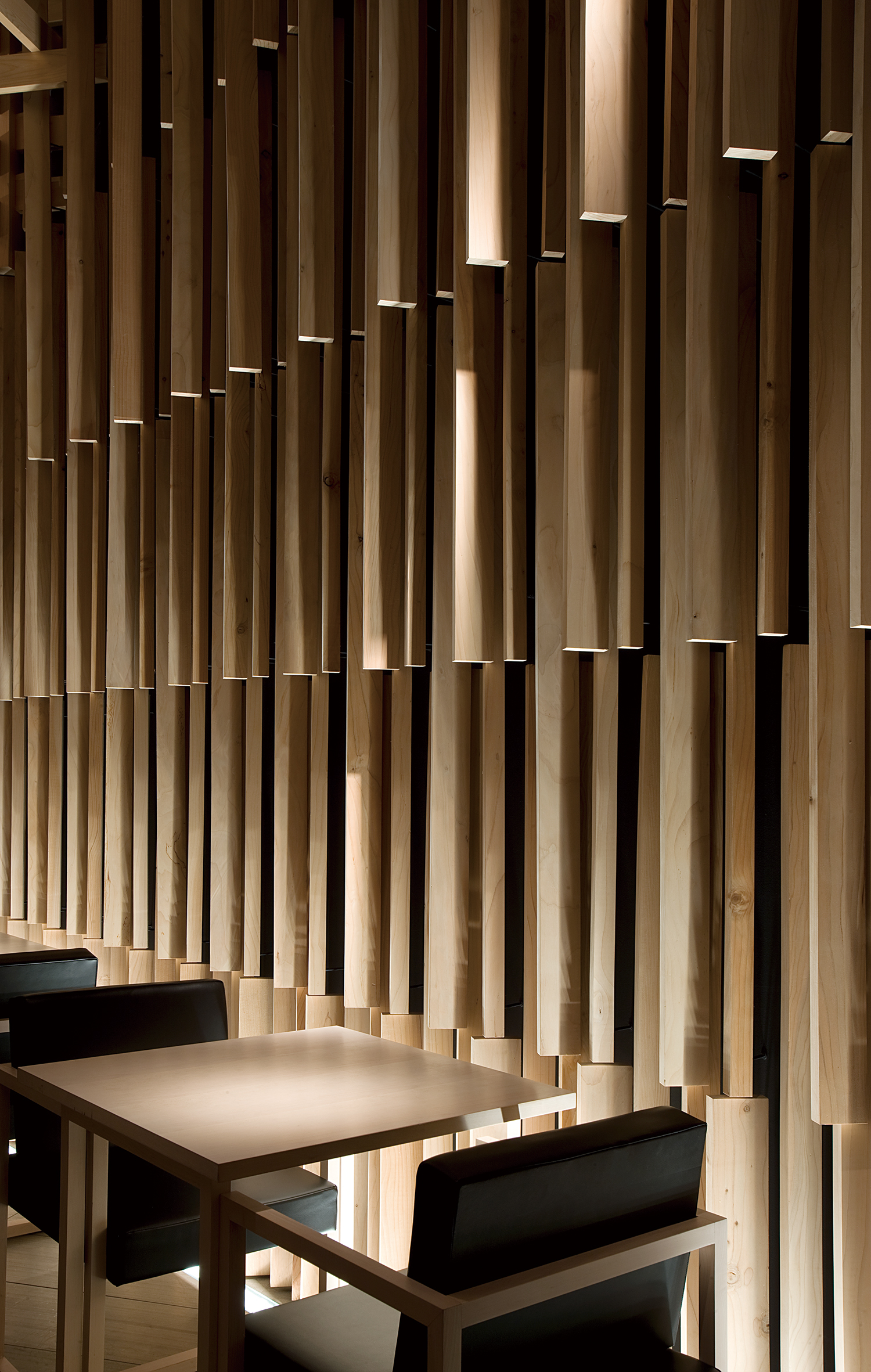
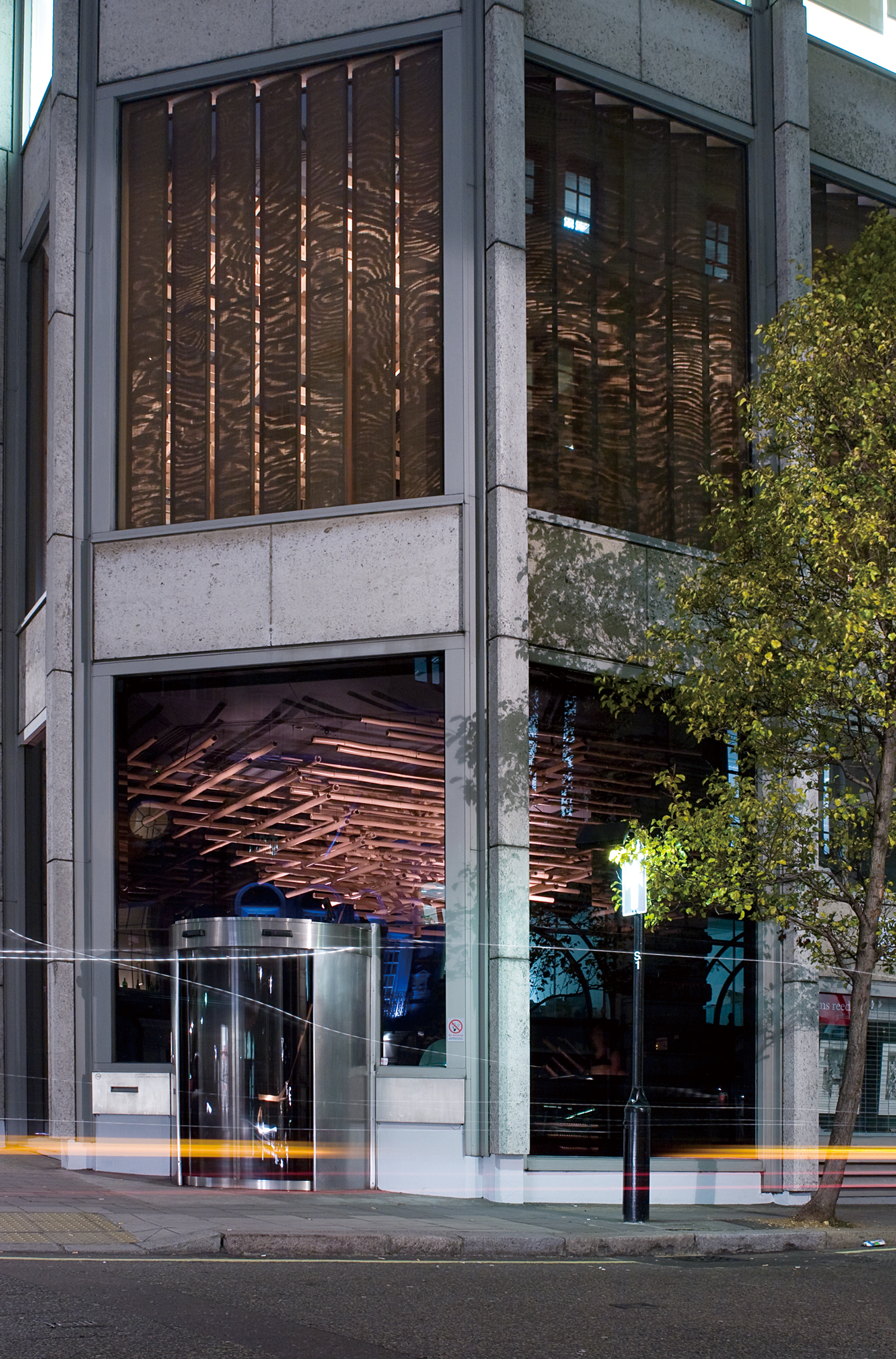
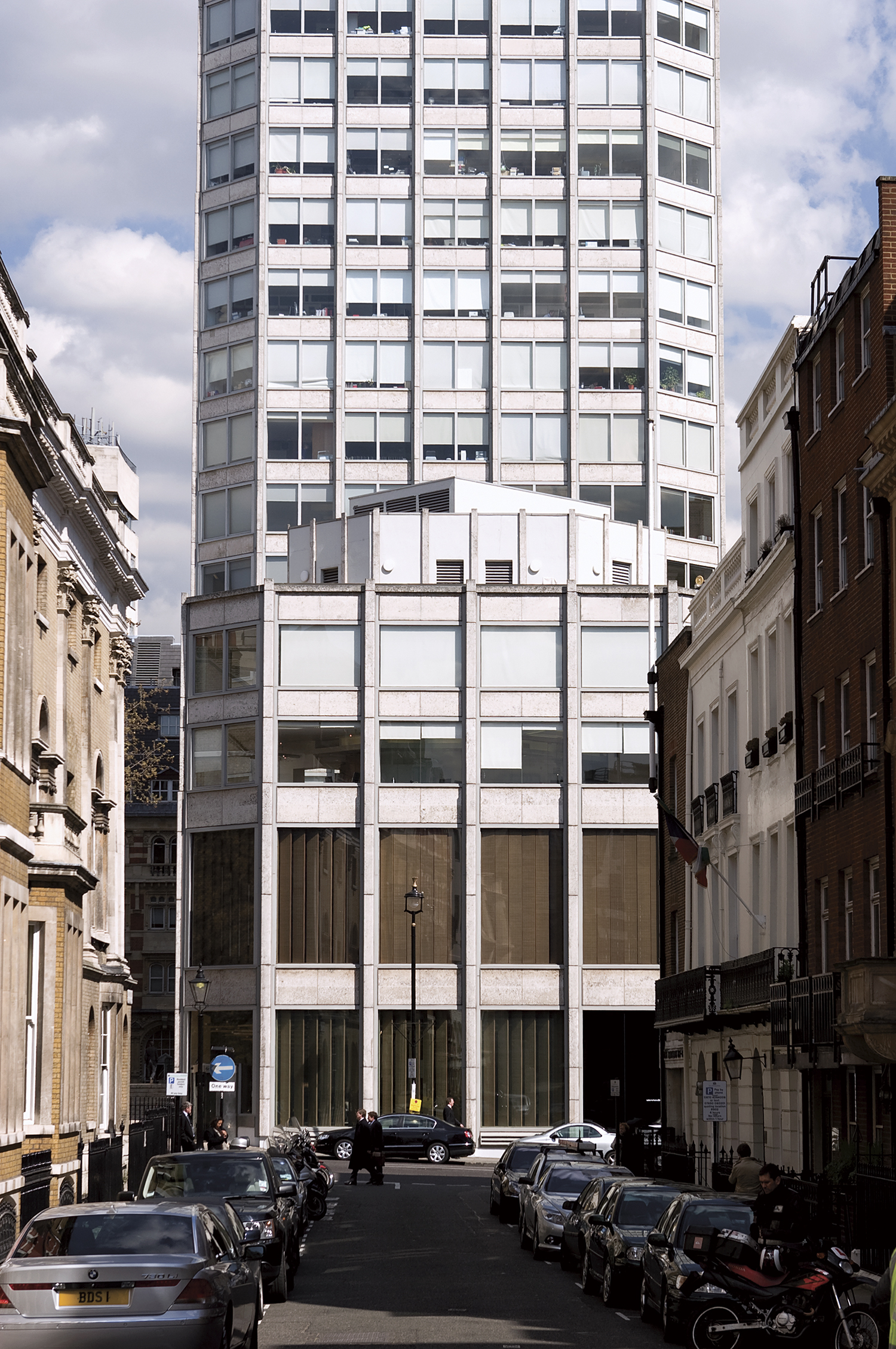
Kuma: Yes, I think Team X’s ideas had a big influence on Hara. However, there is a difference in terms of scale. While Hara was interested in the small scale, like small particles, Team X basically aimed for work on a bigger scale. I once worked on the renovation of the Economist Building (1964) in London, creating the restaurant Sake no Hana (2007). Through this experience, I came to understand the difference in thinking between Europe and Asia regarding architecture. The building was originally designed by Alison and Peter Smithson. They used stone for the building and were also interested in the granularity, or particles, of the stone. I felt a strong sympathy for that approach. However, in terms of architectural scale, it was definitely different from Asian architecture. Asian architecture focuses on the smaller scale using natural materials.
©Kengo Kuma & Associates
Sakenohana (2007)
Located in central London, this project involved the renovation of the low-rise wing of the Economist Building complex (1964) – a masterpiece of British Modernism designed by Peter and Alison Smithson – into a Japanese restaurant. Drawing inspiration from the building’s Gothic façade and vertical stone patterns, Kuma wove together thin elements of Japanese cypress and bamboo to create an interior reminiscent of a forest. Rotary bamboo blinds were installed at the openings to gently control views and light. ©Kengo Kuma & Associates
The Age of the Environment, the Turn to Materiality
Jung: Many key contemporary Japanese architects were born around 1955. Sejima Kazuyo, Ban Shigeru, and yourself belong to this generation. I think you share a commonality in architectural design: an emphasis on materiality. Sejima focuses on glass, Ban on paper, and you on wood. Do you think this commonality is coincidental, or is it related to a broader generational or cultural context?
Kuma: There is a significant difference between our generation, born in the mid-1950s, and the previous generation. Ando Tadao and Ito Toyo were both born in the 1940s, and they completed their major works in the 1980s—that is, before the collapse of the Bubble economy. After the Bubble burst, the ‘era of the environment’ began in earnest in Japan. Consequently, the architecture of our generation established itself in a direction more fitted to this new flow of the times—with me using wood and Ban Shigeru using paper.
Jung: You have a critical view of reinforced concrete. However, in practice, especially in large-scale buildings or projects with limited budgets, it seems difficult to completely eliminate the use of concrete. To what extent do you tolerate the use of concrete in your projects? I am curious how you come to a compromise regarding the use of concrete.
Kuma: My critical perspective on concrete basically stems from my childhood experiences. My house was made of natural materials. It was intimate, but my friend’s house was made of concrete, and the atmosphere was totally different. The life inside was totally different, too. In my house, I could feel the gardens; the bio-system of the garden and the architectural system were totally integrated. But a concrete house totally separates the relationship with nature and the environment, and I didn’t like that kind of separation. However, I’m not a fundamentalist. Fundamentalists try to exclude noise, but I try to create harmony between different elements. We often use concrete and steel, but we always try to create harmony with natural materials and structures.
Establishing Horizontal Relationships for the Freedom of Form
Jung: I read your book, Weak Architecture (2004), with great interest. The most fascinating part was the recurring dichotomy established between ‘form’ (nation, supplier) and ‘freedom’ (citizen, consumer). I interpreted this dichotomy as emerging from a very unique Japanese path to modernisation. What was your motivation for conceiving of this dichotomy of form and freedom?
Kuma: Basically, in Europe, America, and Western society more generally, the individual is considered most important. The structure is such that the architect stands at the top of the hierarchy and makes decisions alone. In contrast, in Asia – especially in Japan – we didn’t have ‘architects’ for a long time. Instead, carpenters designed and built houses. It was a horizontal method of working where carpenters and craftsmen worked together. I believe contemporary society needs that kind of horizontal structure. That is why we work with craftsmen from the beginning of a project and always try to maintain a horizontal relationship internally. If I, as the head of the organisation, were to give one-sided instructions to my staff using sketches, I believe that ‘freedom of form’ in architecture would inevitably be lost. Therefore, I aim for a horizontal organisation, not a top-down one.
Jung: In your book Weak Architecture, you describe three different kinds of architect in the history of Japanese modern architecture: Murano Togo, Tange Kenzo, and Ando Tadao. Tange represents the state-driven architect who supplied national infrastructure, while Ando is a branded architect who played a significant role in shifting the domain of architecture from the public to the private sector. However, Murano seems difficult to categorise or identify through a single stance. Which type of architect did you most aspire to be?
Kuma: I respect Murano’s approach the most.
Tange’s attitude was closely connected to the state and operated within a vertical structure. Ando, coming from Osaka, based his projects on the private economy. In contrast, Murano was a very flexible architect who designed both large buildings and small houses. In that sense, I wanted to follow in the footsteps of an architect like Murano.
In terms of design, I was frequently inspired by Murano’s softness and organic forms, but the aspect that influenced me the most was his perspective: he didn’t treat Japanese traditional architecture and modern architecture as separate realms but viewed them as the same realm.
In post-war Japan, the architectural scene was clearly divided and polarised between the traditionalist school, represented by Yoshida Isoya, and the modernist school, represented by Tange Kenzo. Murano believed that such an opposition was meaningless, and I have inherited that belief.
Jung: In Weak Architecture, you also suggested two major roles for architecture: one serves to embody national ideology, and the other is to function as a commodity shaped by market demand. Do you believe that a third alternative architecture is possible beyond these two possibilities?
Kuma: Yes. To me, what matters is relationships and teamwork. We always try to have conversations with the community and involve them as much as possible in our projects. In the villages I visited with Hara, we maintained a very close relationship with the community and worked together with craftsmen and carpenters. We aim to create that kind of team. Through these relationships, I believe we can naturally create architecture that emerges from within the community.
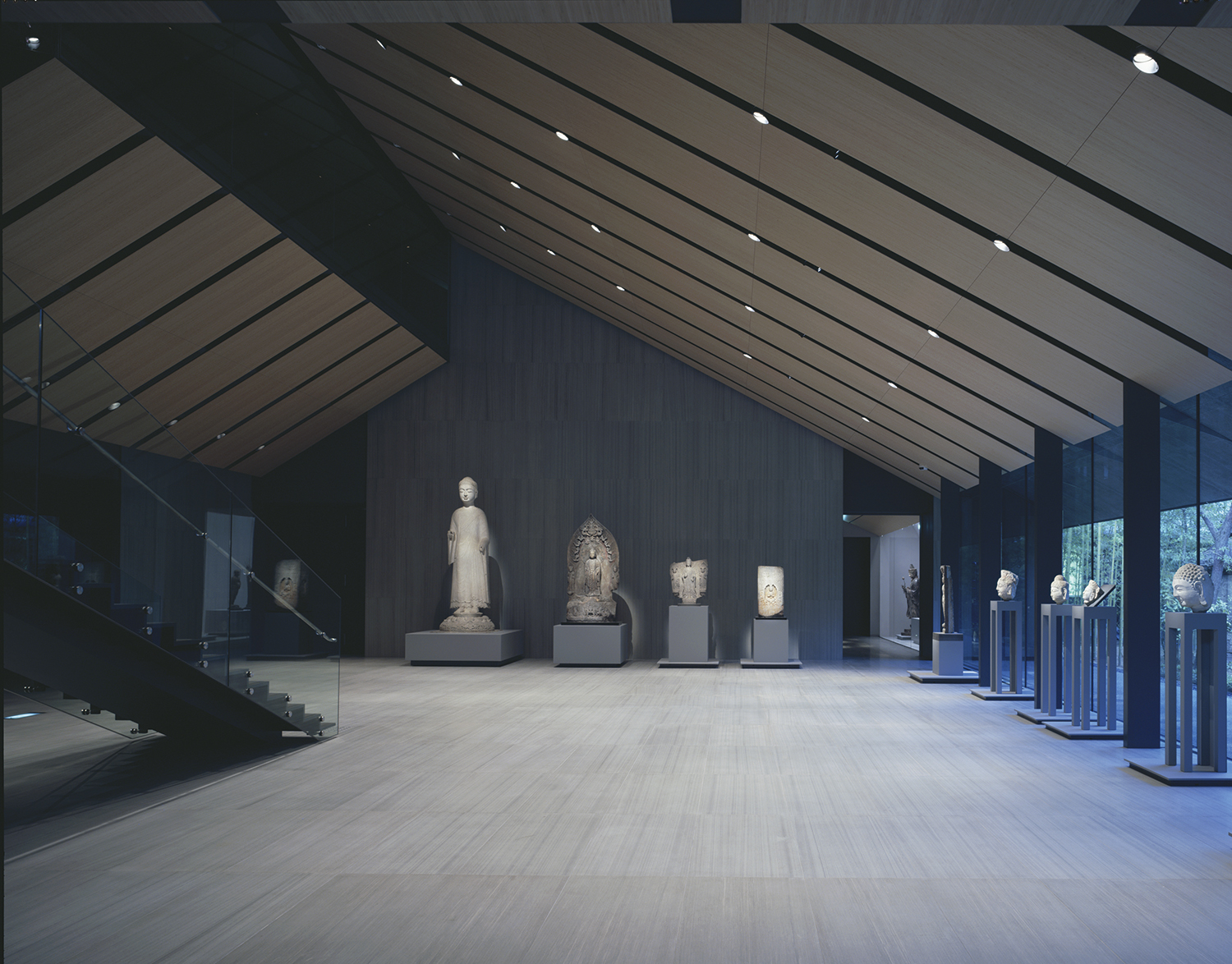
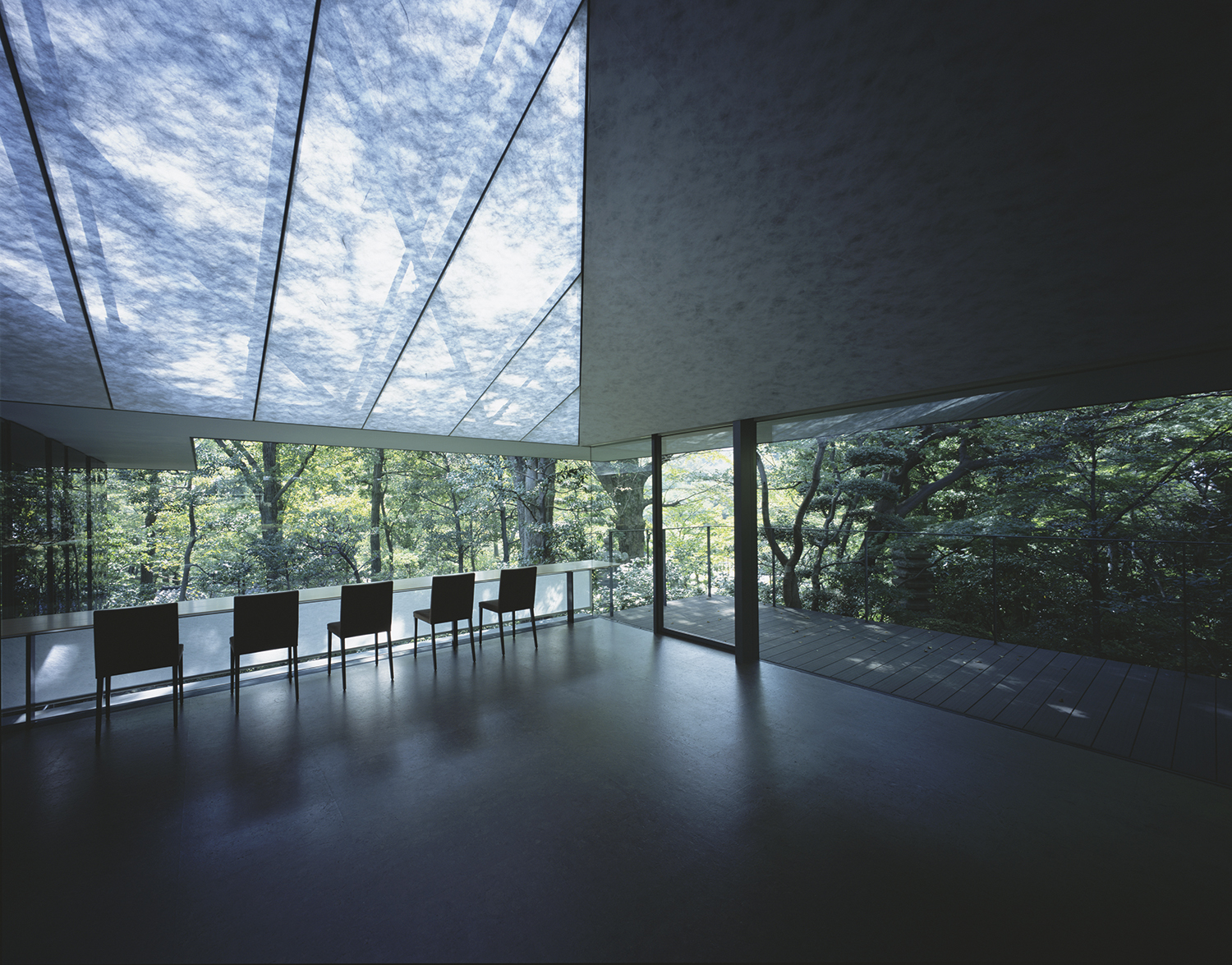
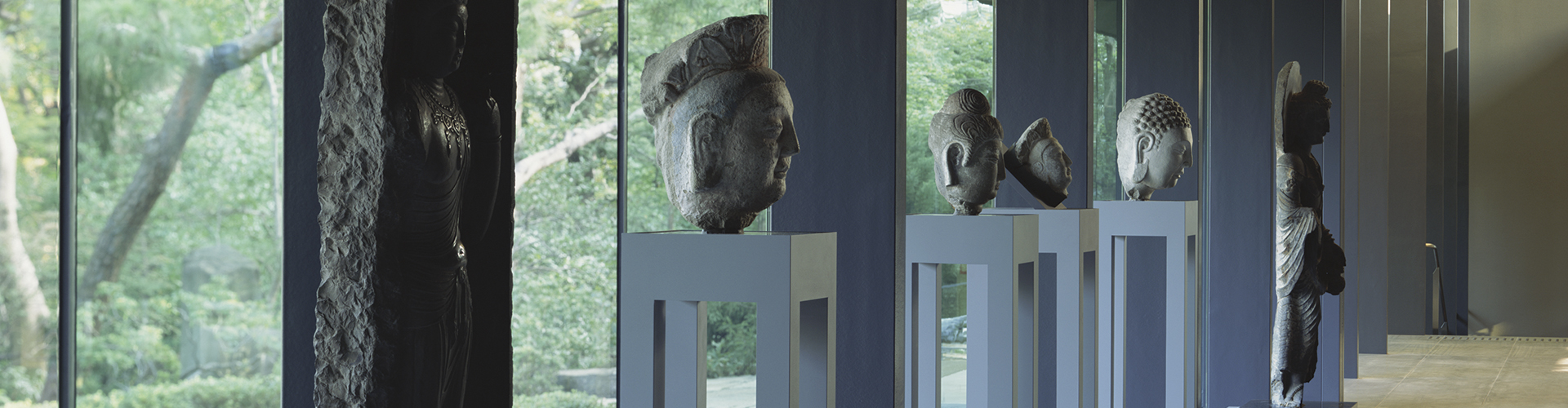
Nezu Museum (2009)
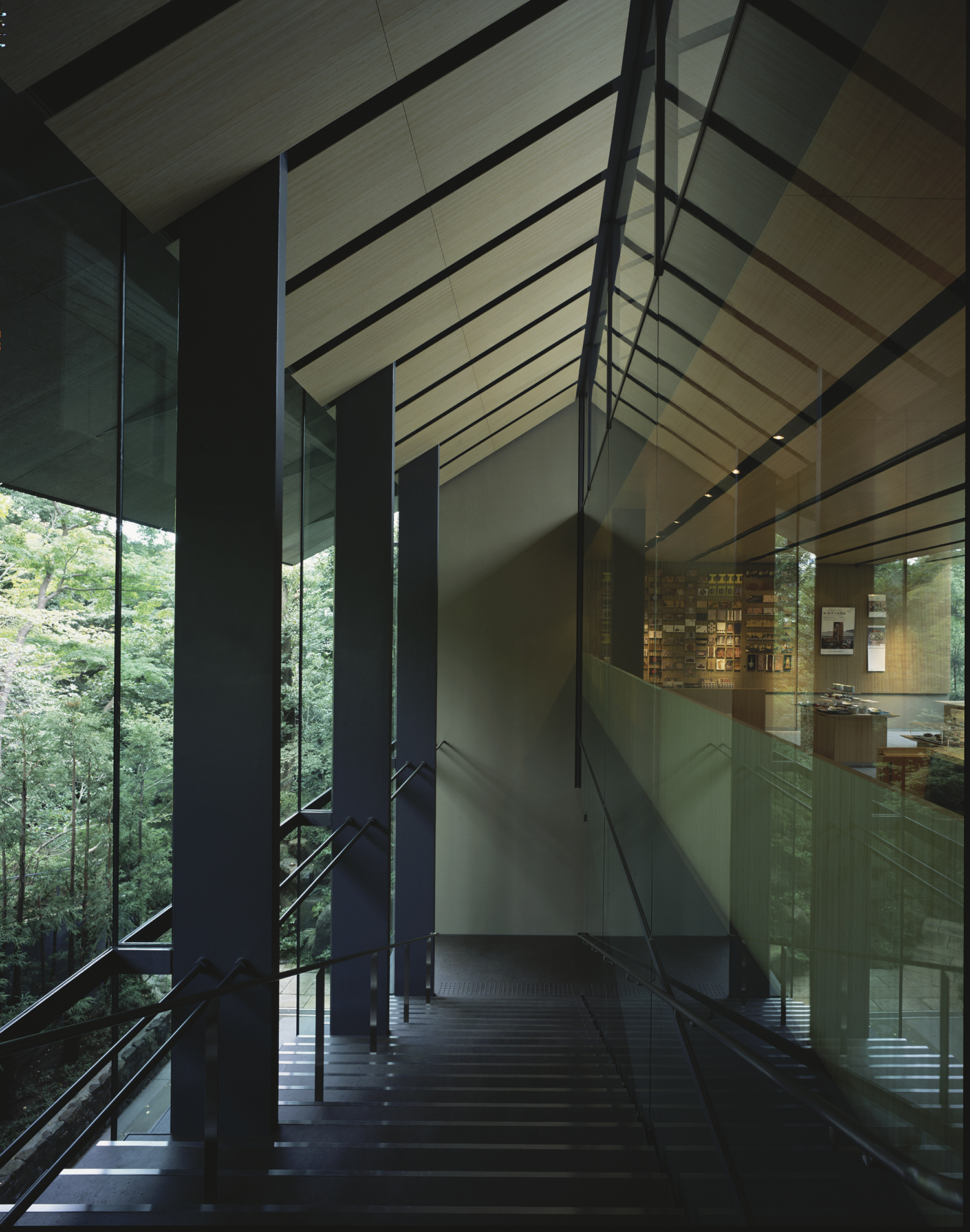
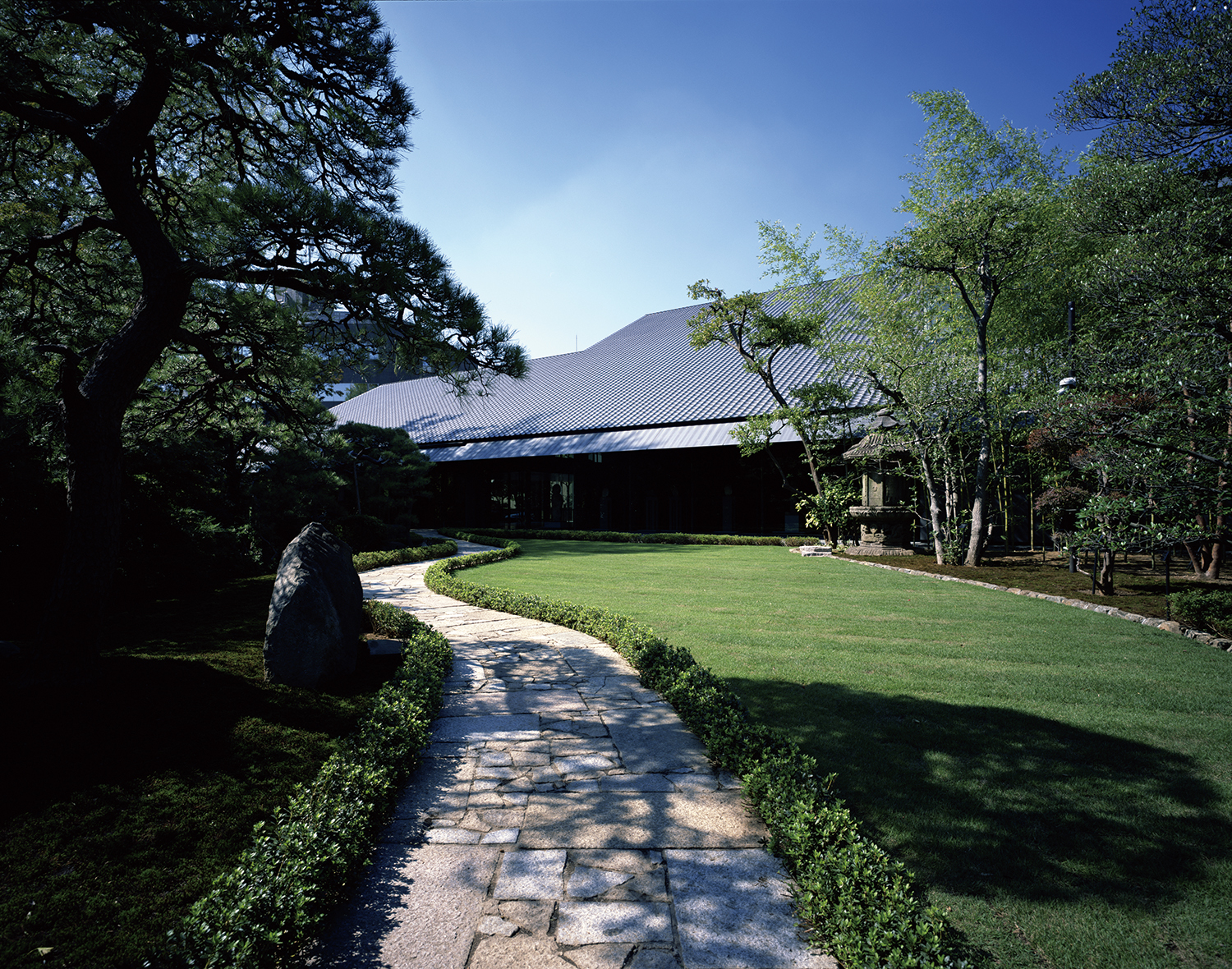
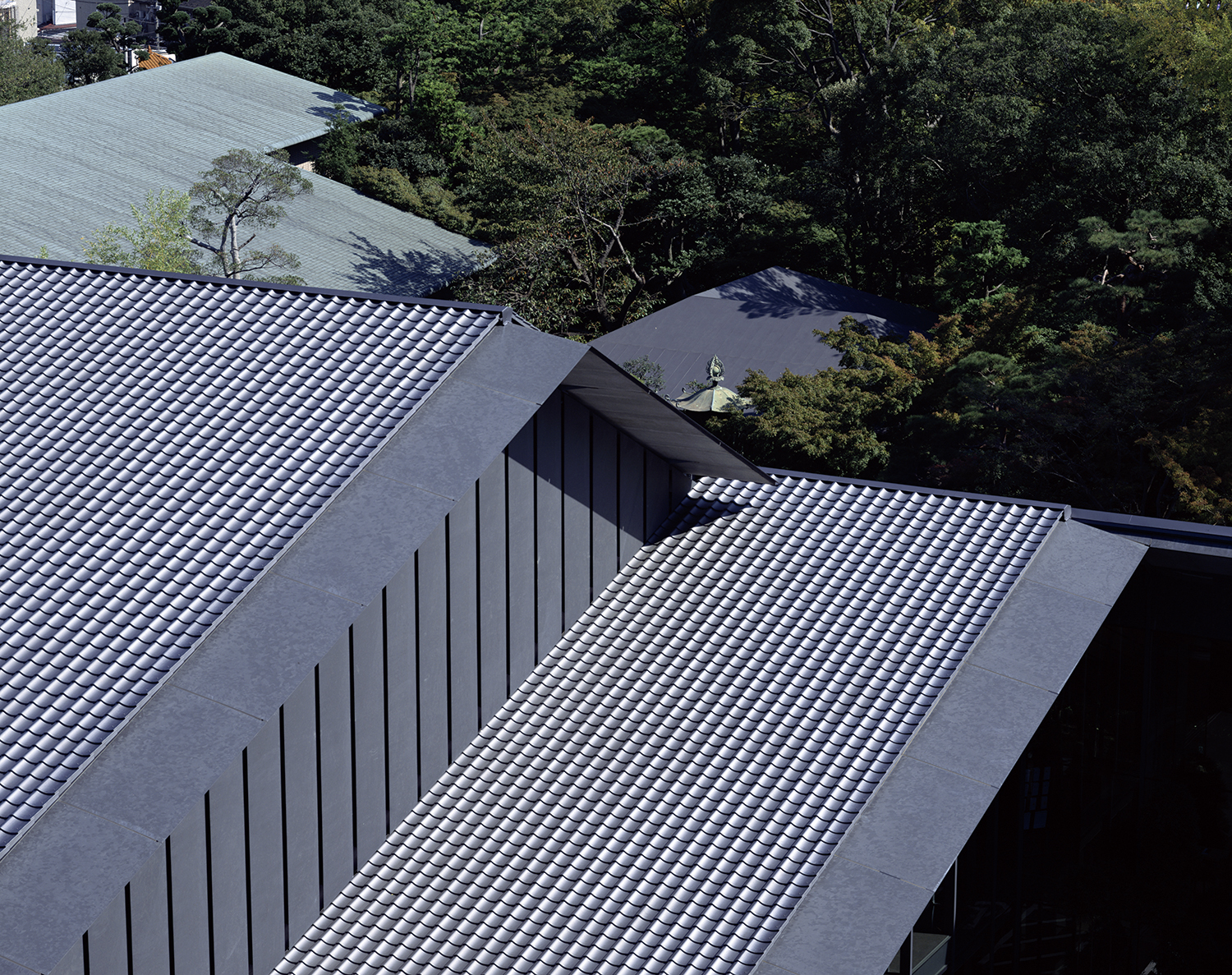
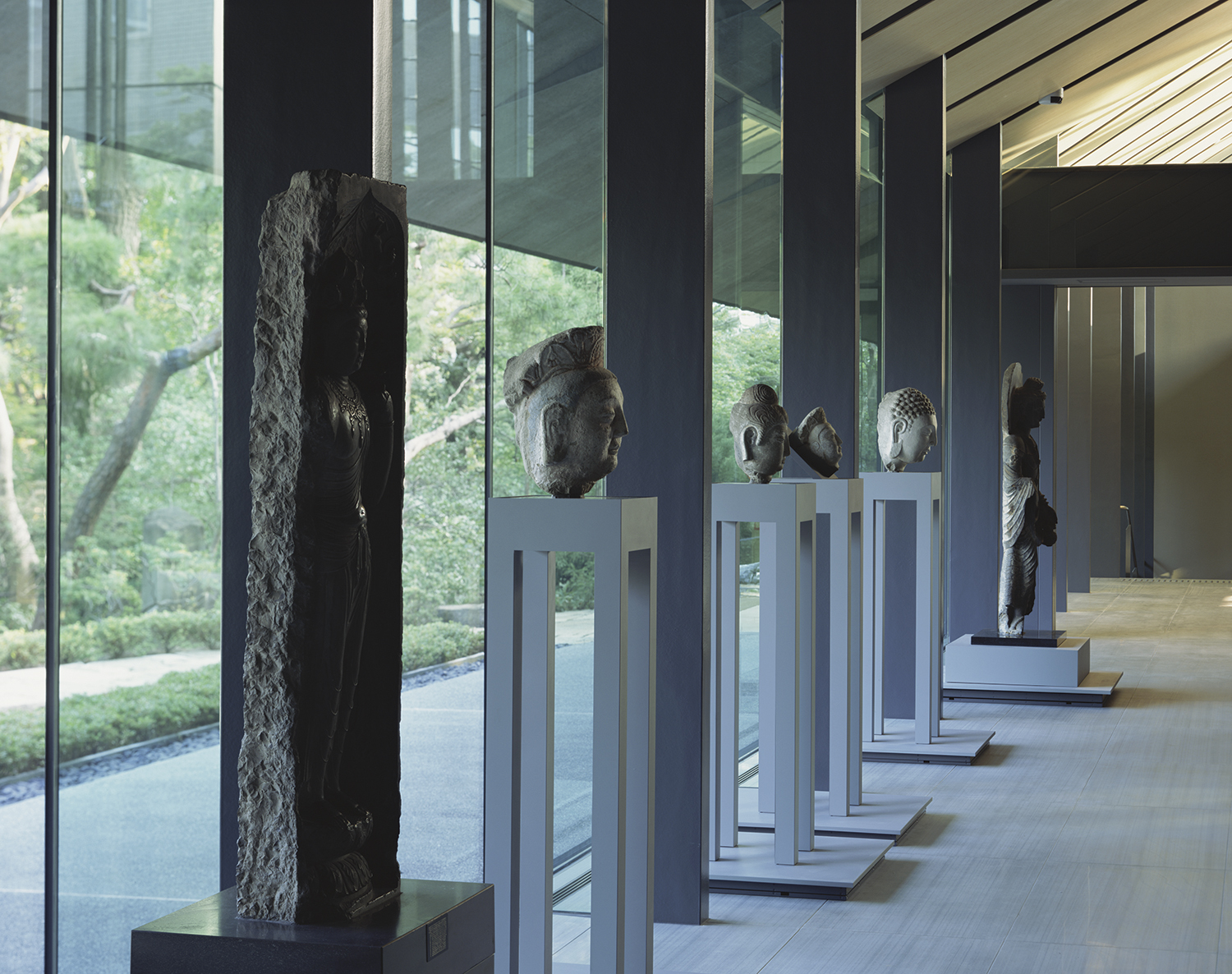
Located in central Tokyo, this museum is designed to unite the garden, architecture, and art. Kuma actively integrated the interior with the surrounding verdant garden through extensive glazing and a vast roof that serves as a modern reinterpretation of traditional Japanese architecture. Furthermore, the approach leading through a bamboo grove establishes a serene art space, sequestered from the hustle and bustle of the city.