
SPACE March 2026 (No. 700)
I AM AN ARCHITECT
‘I am an Architect’ was planned to meet young architects who seek their own architecture in a variety of materials and methods. What do they like, explore, and worry about? And how are architects in various regions expanding their own worlds in different ways? SPACE is going to discover individual characteristics of them rather than group them into a single category.
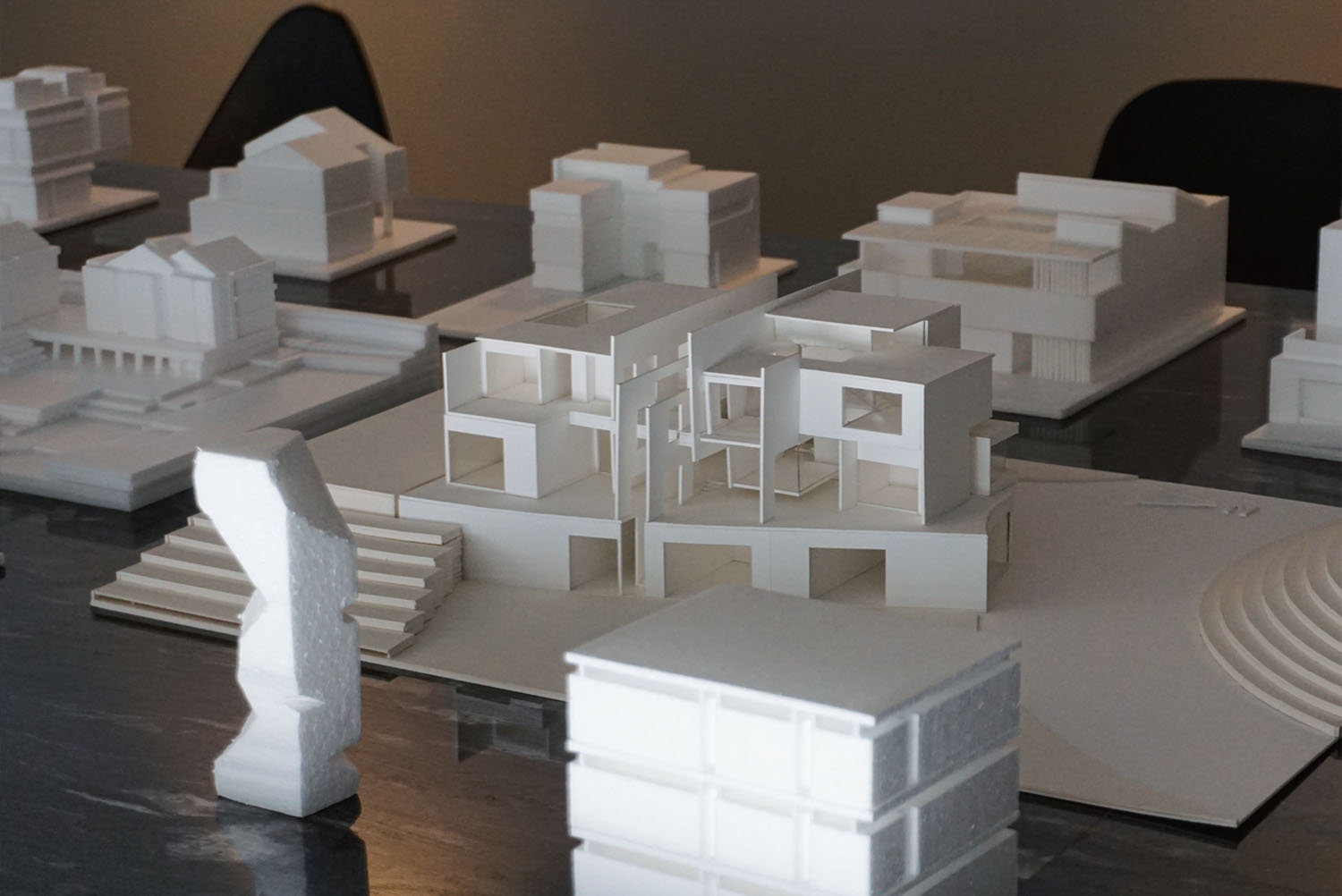
Architectural models at the office of HaeSeok Architects
interview Jang Wonseok Principal, HaeSeok Architects × Kim Hyerin
Living, Teaching, and Learning
Kim Hyerin (Kim): Since opening HaeSeok Architects (hereinafter HaeSeok) in Sejong in 2018, you have continued to operate your practice there.
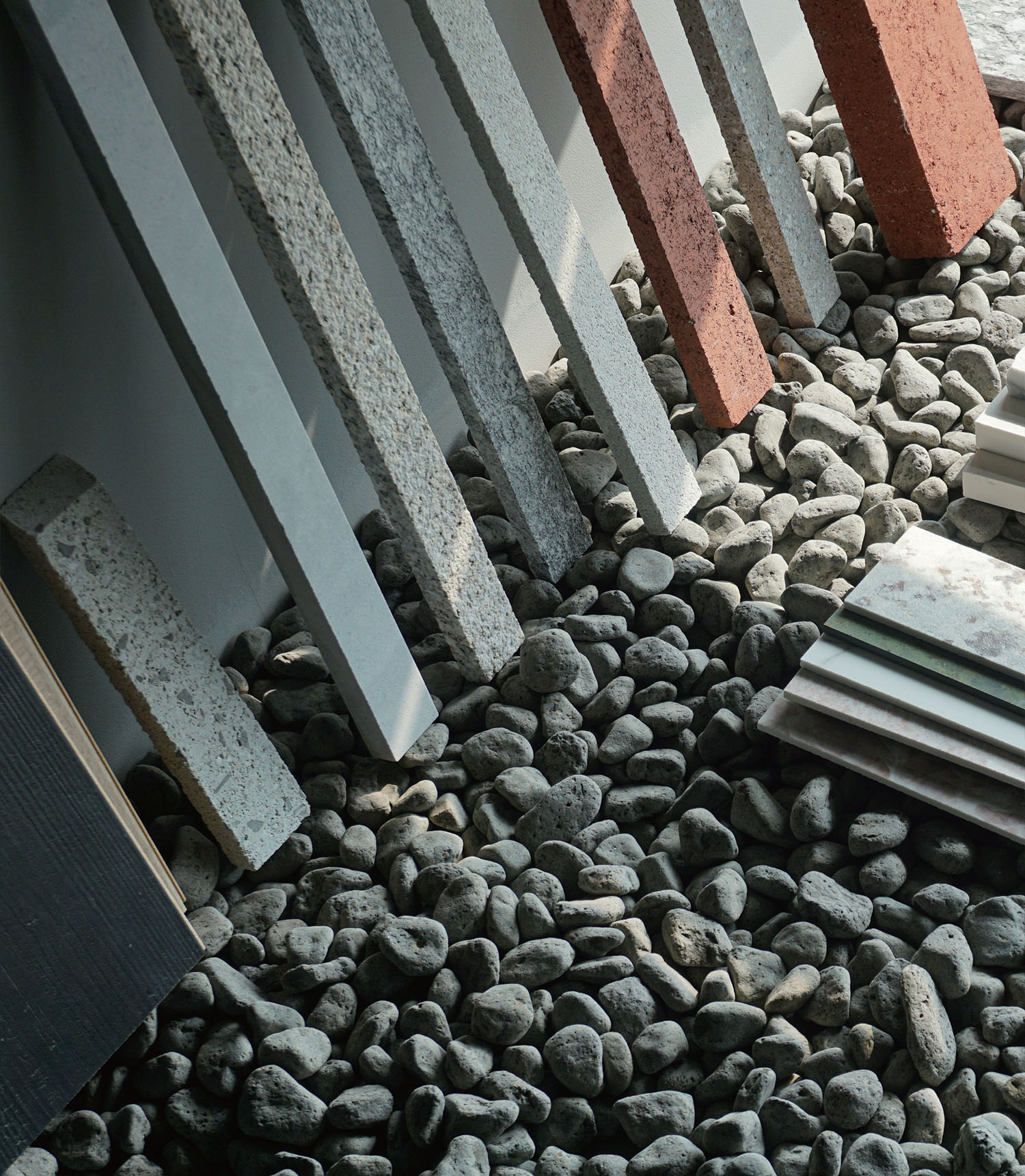
Material samples at the office of HaeSeok Architects
Kim: Along with your current practices as an architect, you also work as an Adjunct Professor in the Department of Architecture at Chungnam National University (CNU). What messages do you hope to convey to students?
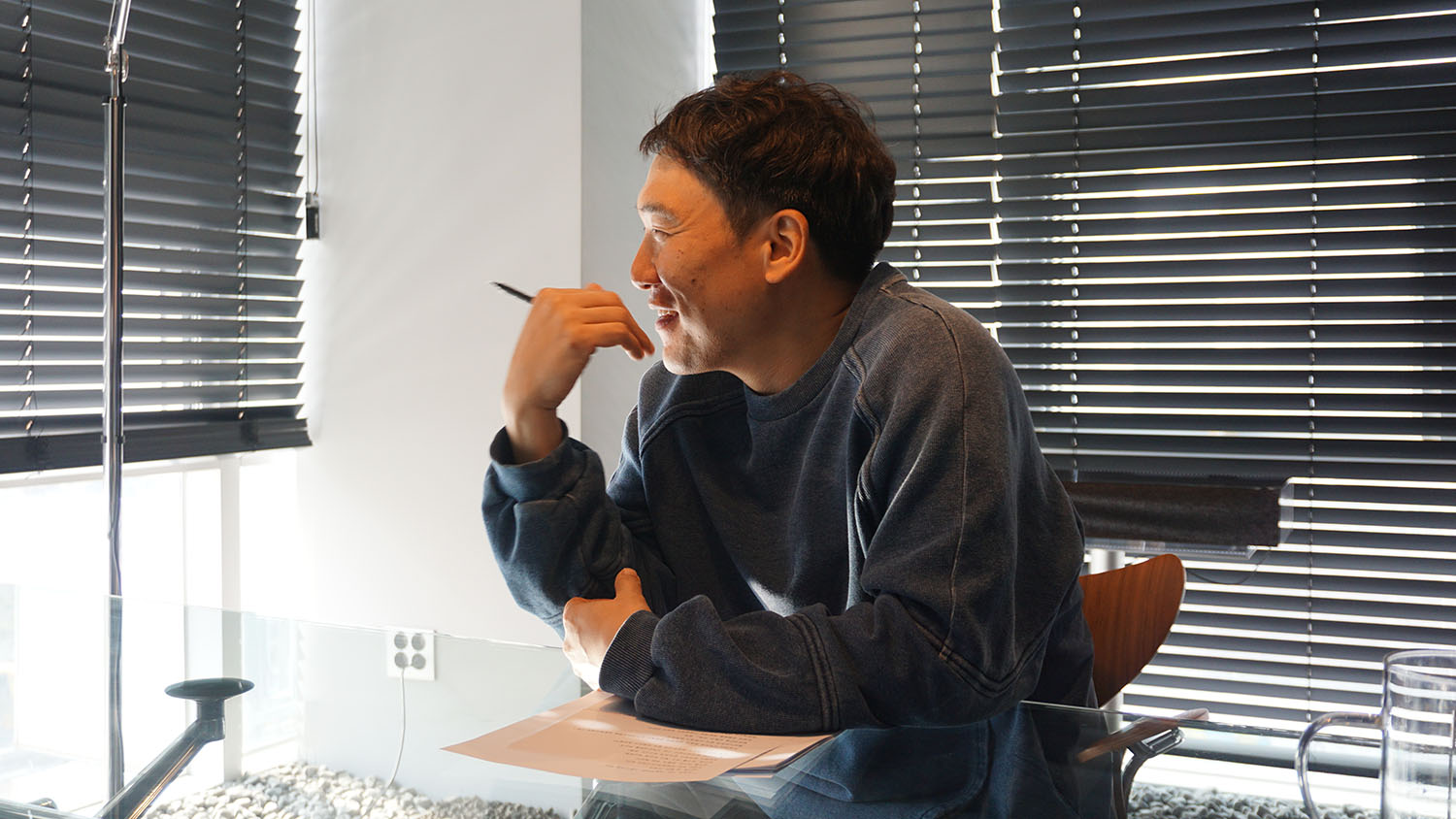
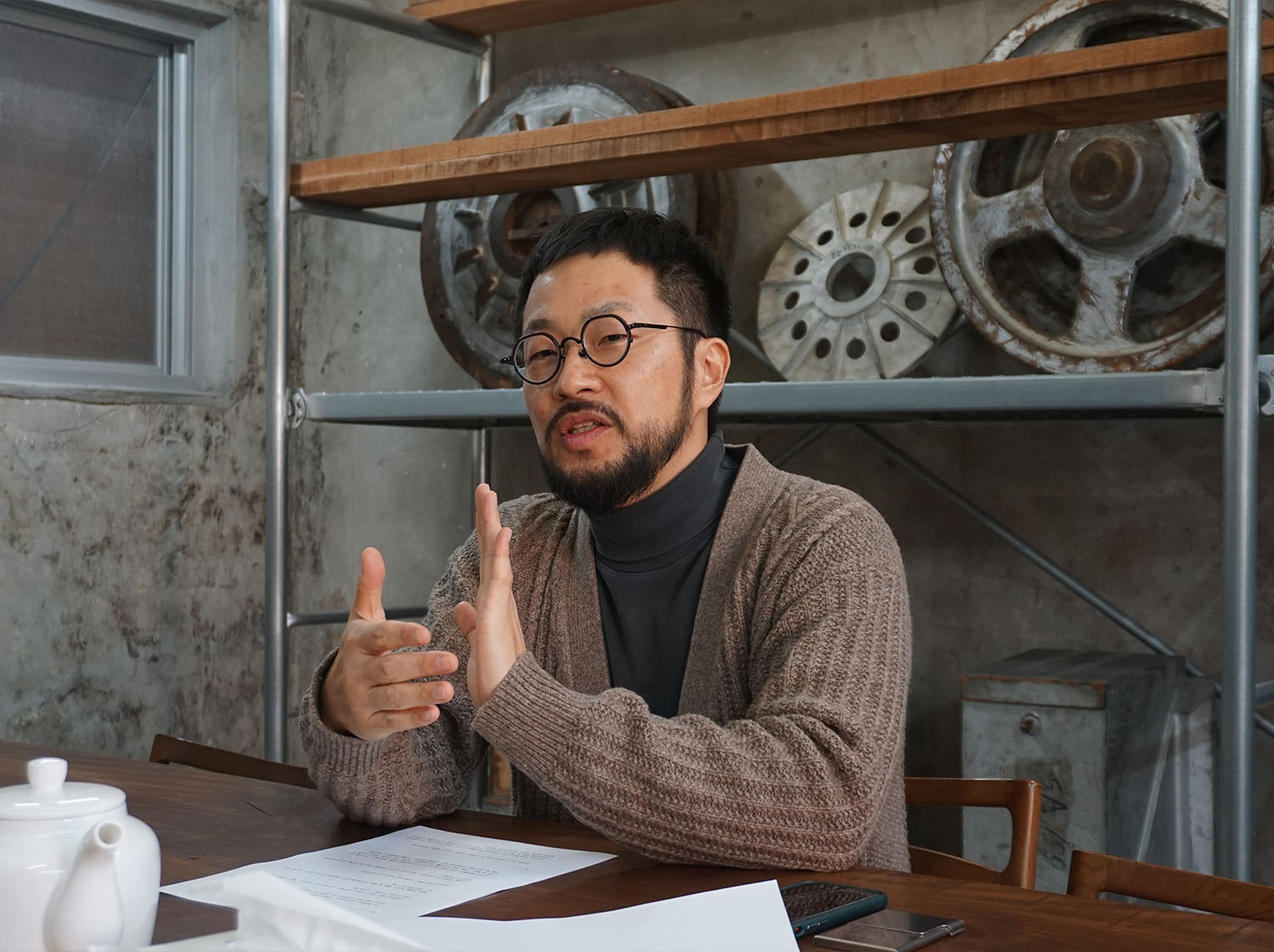
Jang Wonseok
Kim: It must be very busy to run an office and teach.
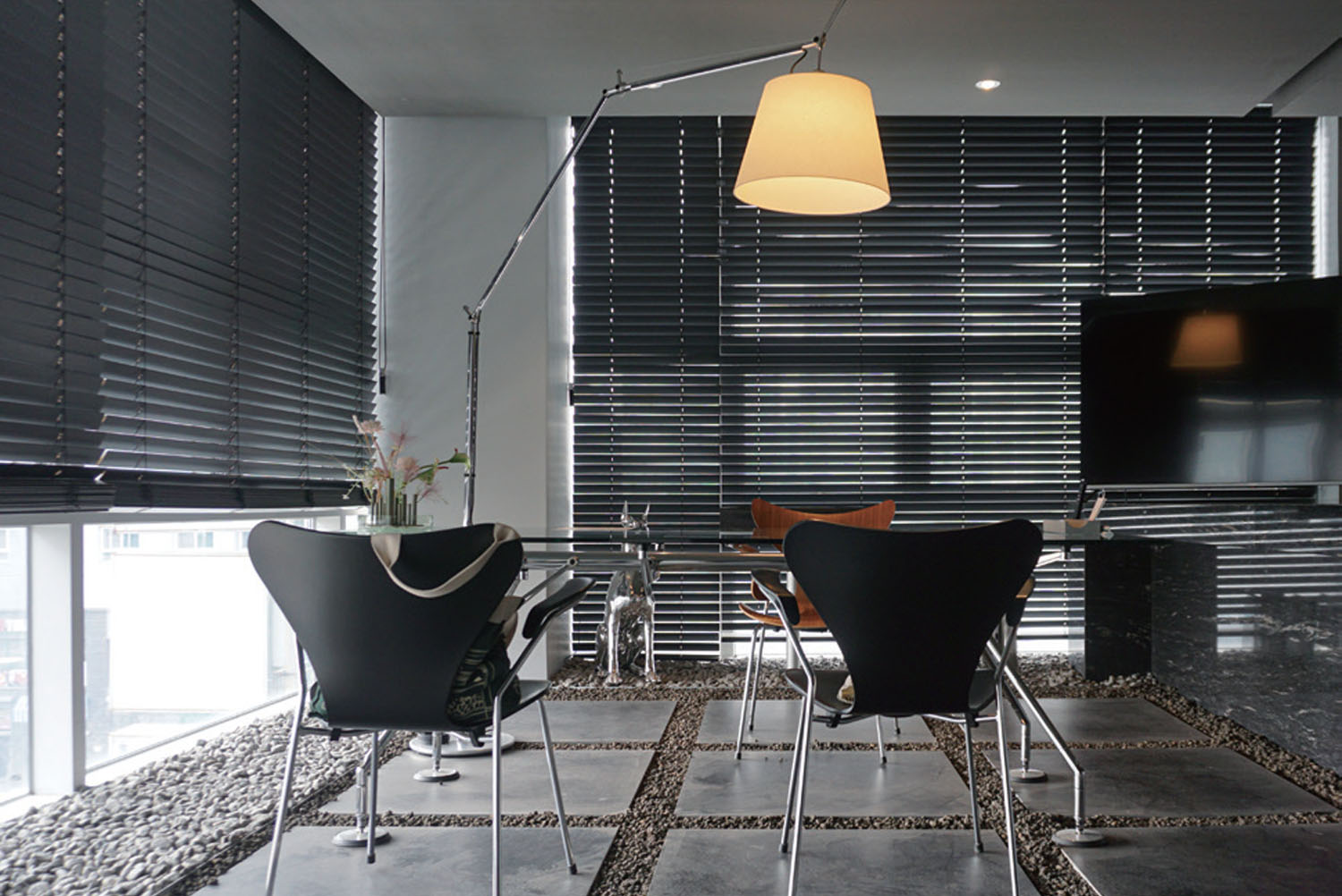
Office of HaeSeok Architects
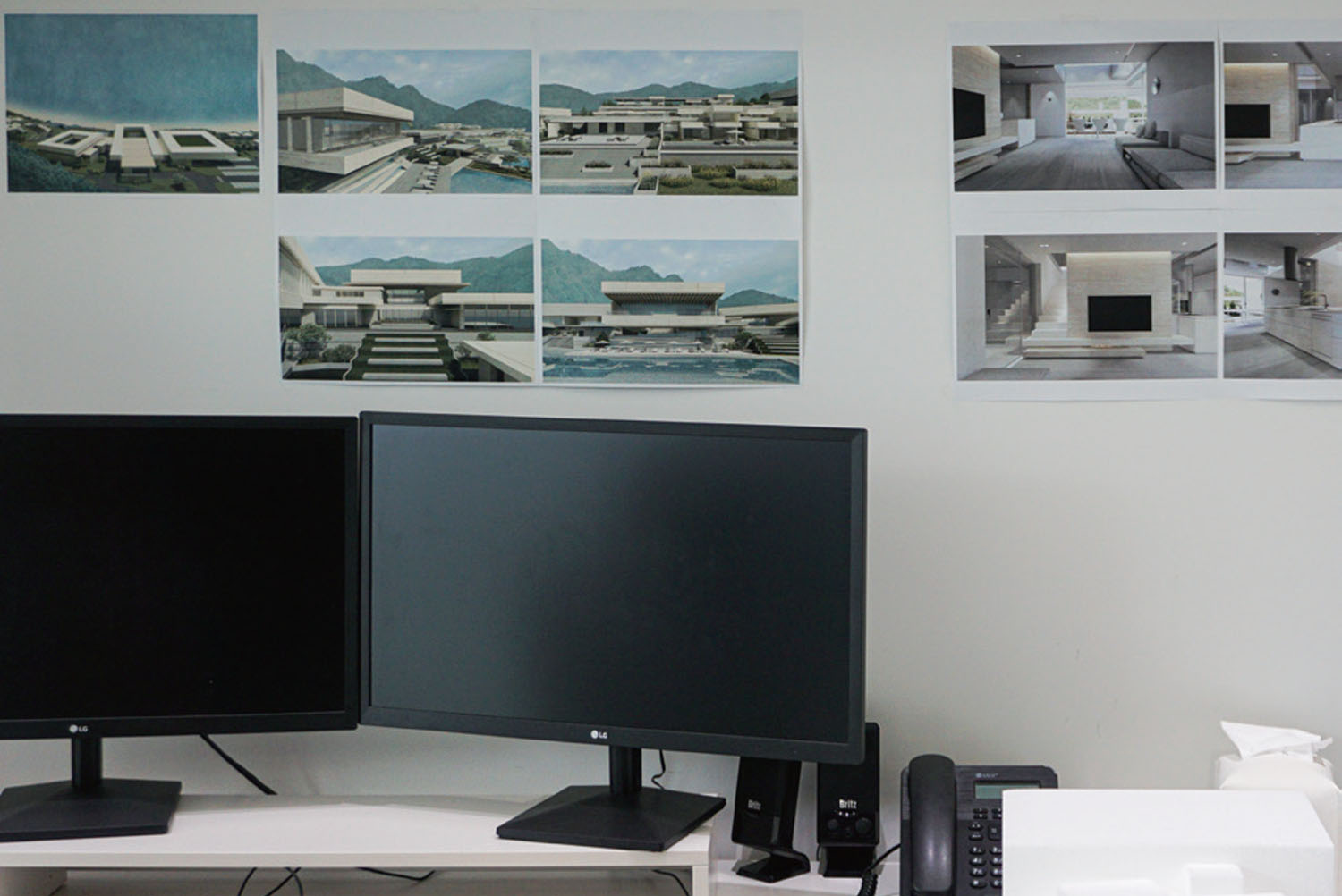
Office of HaeSeok Architects
Kim: Do you have any architects you particularly admire?
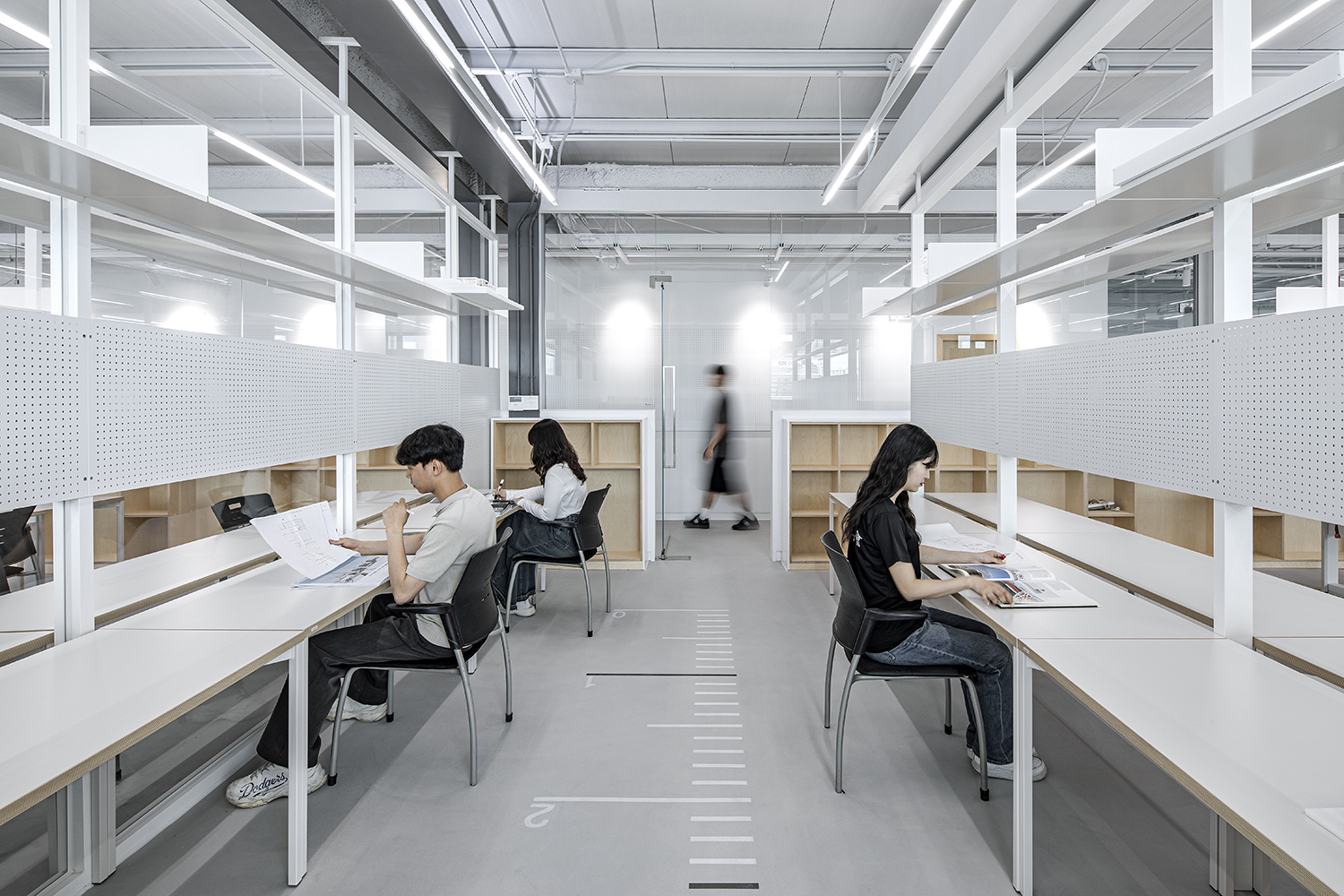
CNU Architecture Studio Remodeling (2025) ©Hyeonki Yoon
Towards a Public Architecture That is Open to Everyone, Like Crooked Teeth
Kim: Since 2025, you’ve also been working as a Public Architect for Chungcheongnam-do. What led you to as a Public Architect?Jang: After opening my office, I did not work on a public architecture project until 2024; I worked 100% on private-sector projects. The decisive turning point was when I was commissioned to remodel the design studios at CNU, where I currently teach. It wasn’t technically a public architecture project, but from my perspective, It felt like working for over 100 clients. When working on private projects, I feel happy if an individual client is satisfied. But in this case, I completed one project and more than a hundred people appreciated it. That made me want to create architecture for more people. Of course, just wanting to do it doesn’t mean you can start right away, so I studied more and tried to meet many people already working in public architecture. That’s why I applied to become a Public Architect. At night, I’m conducting research and writing my papers on public architecture.
Kim: Can you please elaborate on the CNU Architecture Studio Remodeling (2025)?Kim: As a Public Architect, is there a mindset you personally consider important?
Jang: My mindset is very clear. Today’s public architecture often feels heavy, rigid, and grandiose. I believe architects should create work that quietly carries its the meaning and the effort taken, but when presenting it to people, I want to offer public buildings in a lighter way. Even if it’s not a flashy project, I want it to feel approachable — something people can casually smile at and feel comfortable within. Rather than something perfectly straight and formal, I think it would be nice if public architecture had something slightly quirky, like cute protruding teeth, something people can bump into and engage with.
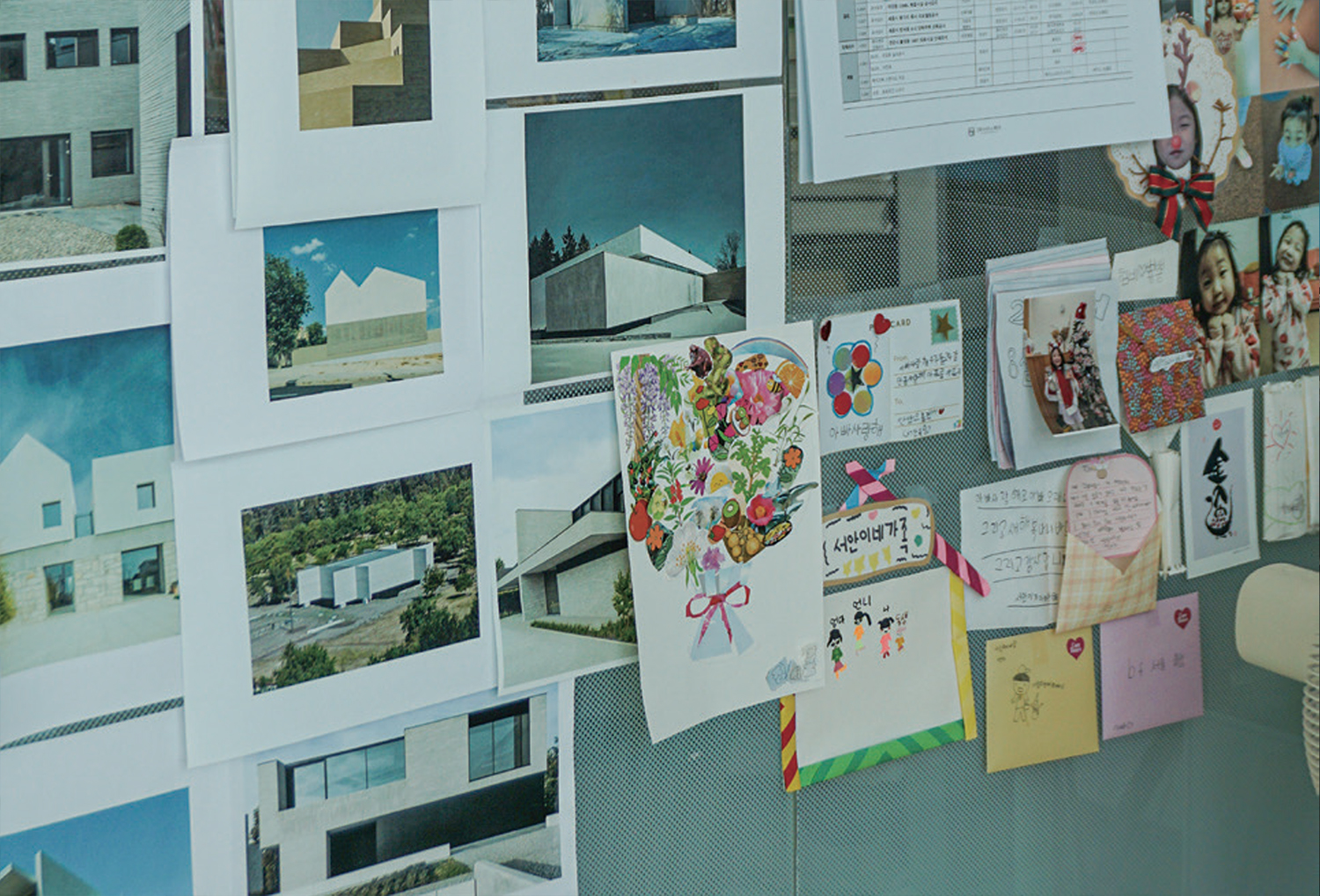
Office of HaeSeok Architects
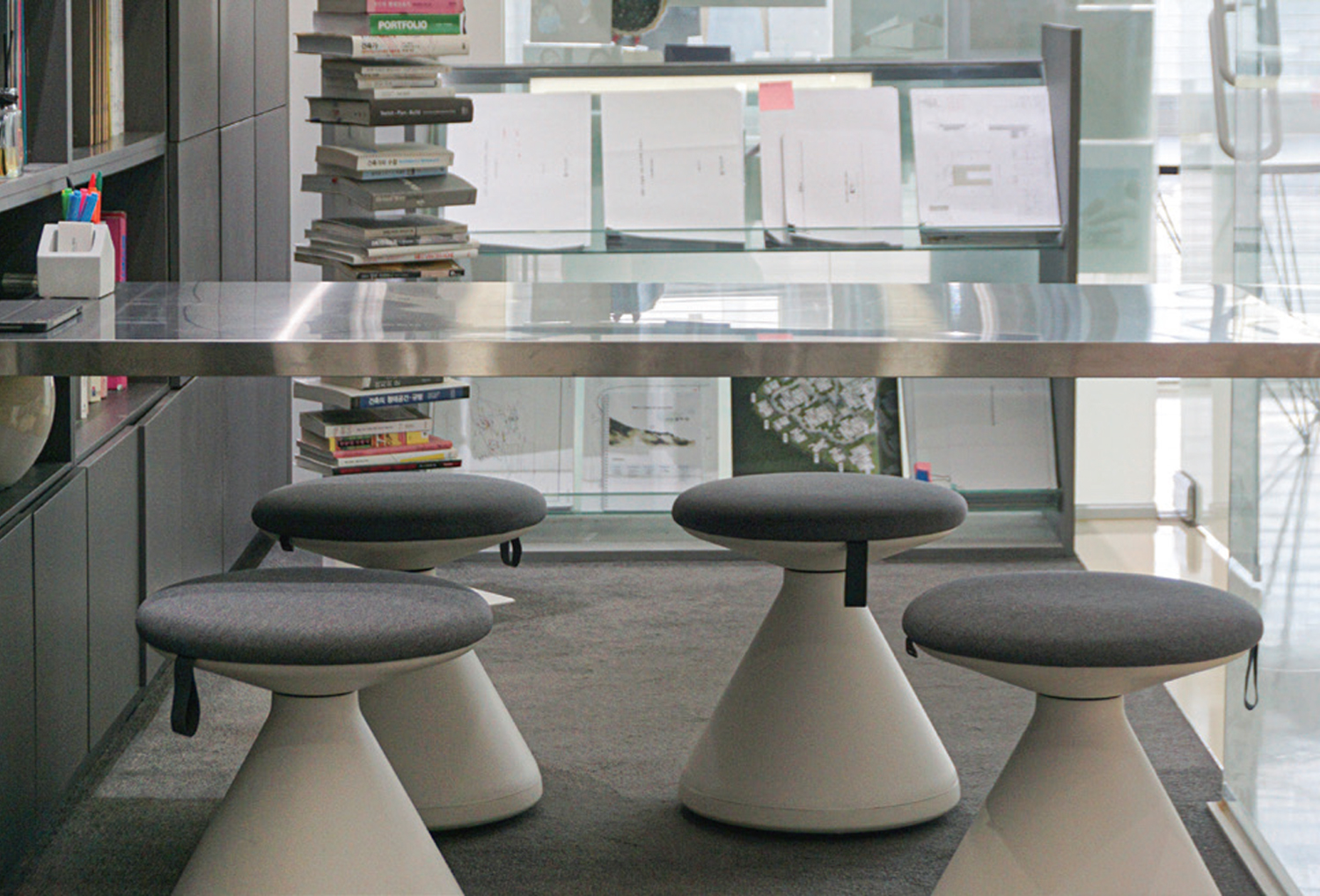
Office of HaeSeok Architects
Creating Harmonising Spaces
Kim: HaeSeok has completed many single houses. Were you drawn to designing single houses from the beginning?Kim: Of your housing projects, is there one that felt like a turning point for you as an architect?
Jang: One of my early projects, the Joosan-dong house Remodeling (2021), involved remodeling a 40-year-old house. The attitude I learned from when I first met the client has stayed with me till now. They didn’t talk about what kind of space or living room layout they wanted. Instead, they kept writing me letters. (laugh) They also sent me PPTs about their upbringing. They even gave me architecture books they had highlighted and asked me what I thought of them. They also recommended movies for me to watch. At the time, I didn’t fully understand their intentions, but I later realised that while technical matters are the architect’s responsibility, housing projects are completed only when there is emotional resonance with the client. I understood that their message was that even if it wasn’t an outstanding architectural masterpiece, they wanted a result that connected emotionally with them. Since then, when I meet new clients, I ask similar things—what are your hobbies, favourite movies, favourite writing, and so on. When clients feel their own thoughts are strongly reflected, they recognise the house as truly their own. Satisfaction is higher that way. I try to apply this approach to other projects too. I think it has simply become the attitude of our office.
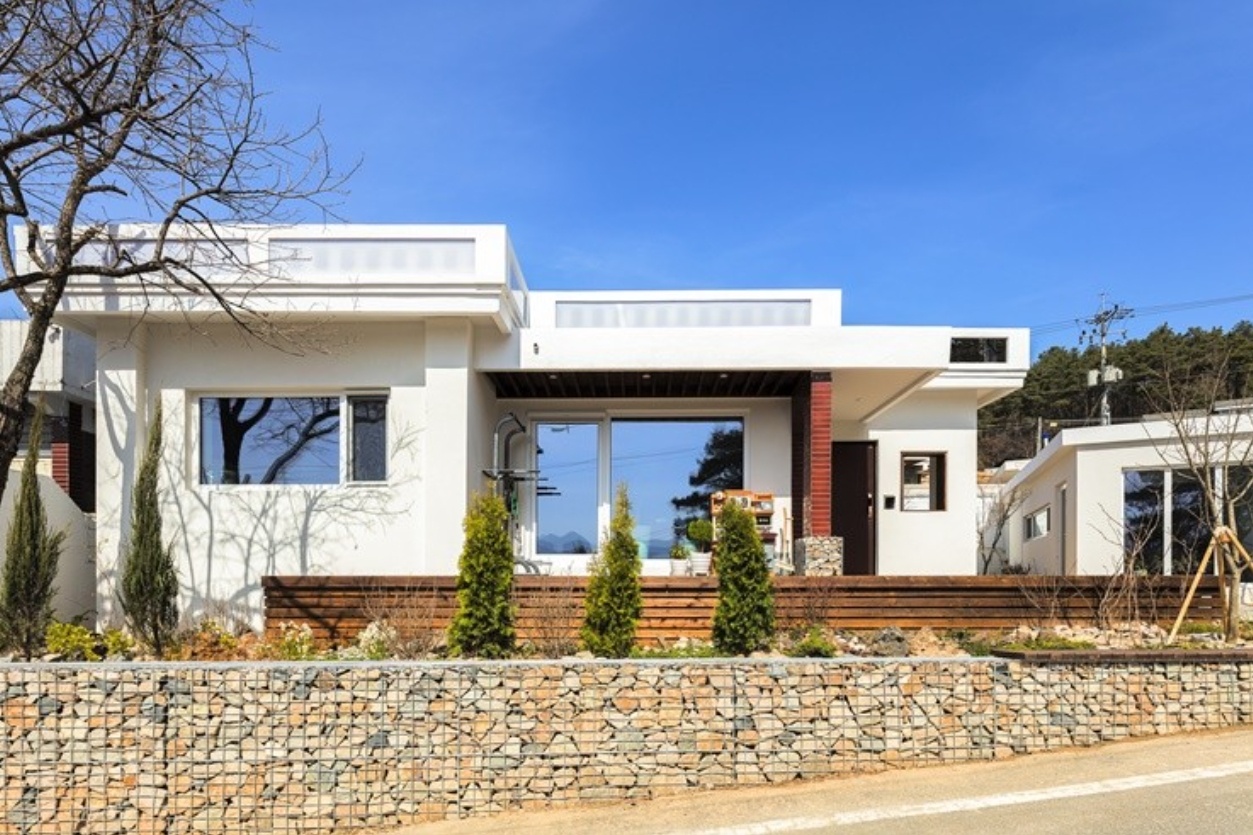
Joosan-dong house Remodeling (2021) ©Jang Wonseok
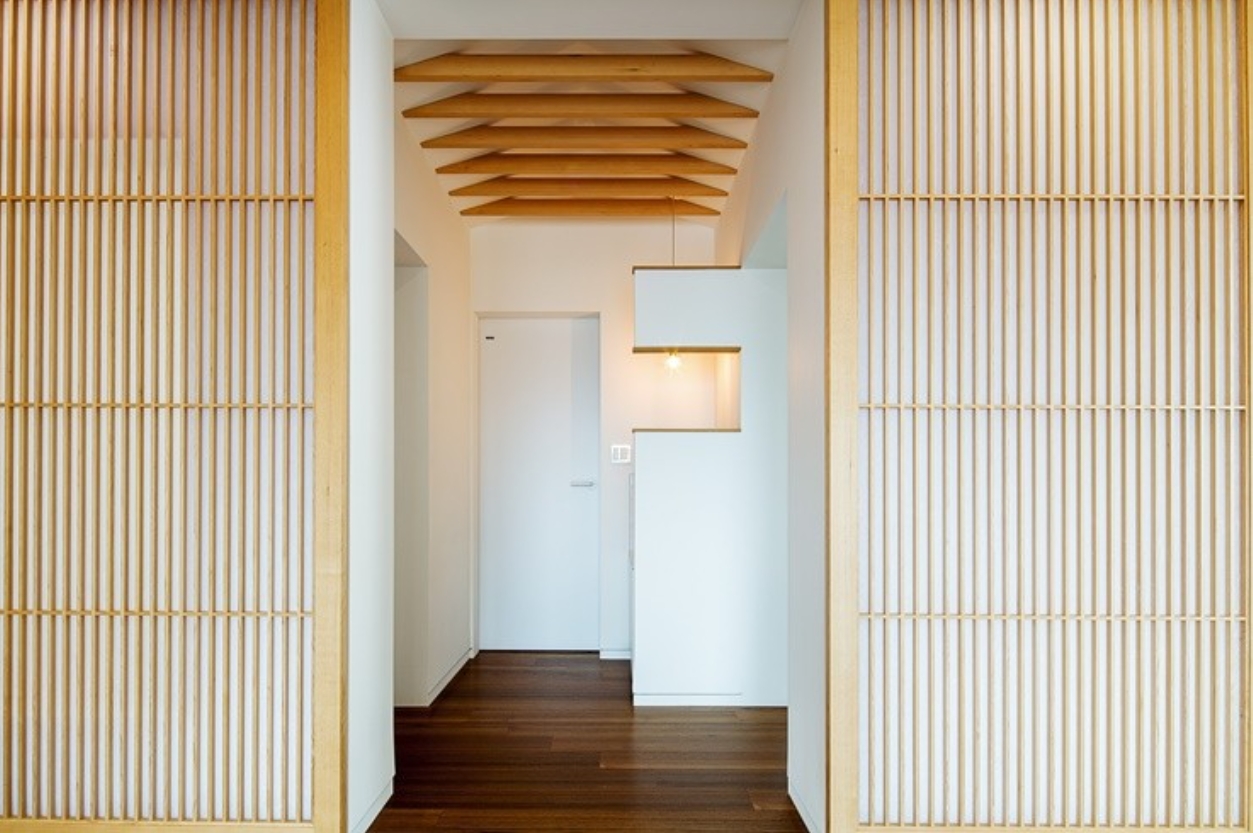
Joosan-dong house Remodeling (2021) ©Jang Wonseok
Kim: When designing single house, what elements do you tend to prioritise?
Jang: Most people are very clear about spaces like bedrooms or studies. Clients often try to assemble those spaces efficiently. But as people age and their lifestyle changes, if the space stays the same, they have to adapt themselves to the space. To overcome this, I try to reflect clearly defined personal spaces as they are, but intervene more in the connecting spaces between rooms. Those areas are often referred to as ‘circulation’, but I describe them as ‘connecting spaces’. You can either stay there, or they can merge with other spaces. These are fluid spaces. I’m also clear about aesthetics — some people want to decorate more than necessary. In those cases, I tell them they can install those things later if they feel they need them while living there.
Kim: What is the Bangok-dong project you are currently working on?
Jang: The project is still in preparation for construction. The clients are a married couple, and their lifestyles are very different, so I approached the project by separating their spaces. Each person uses independent living spaces, and they only meet in shared areas like the attic, rooftop, terrace, or first-floor living room. Each private space is a duplex-style room. It was something I suggested during discussions. (laugh) It sounds unusual, but it fits their living pattern. In the husband’s duplex space ‒ where the lower floor is the bedroom and the upper floor is the studio ‒ I placed a large bathroom in the middle level, almost like a living room. It sits along the stair circulation path. Since he works from home a lot, it allows easy bathroom access from both the studio and bedroom. I hid the toilet as much as possible and instead opened the upper part toward the sky. The entrance to the bathroom is designed like a semi-living room where he can even place a PC and play games. (laugh) The wife’s space is structurally similar, but instead of a bathroom, we placed a laundry area in the centre, since she has lots of clothes. Structurally, it was very challenging to resolve.
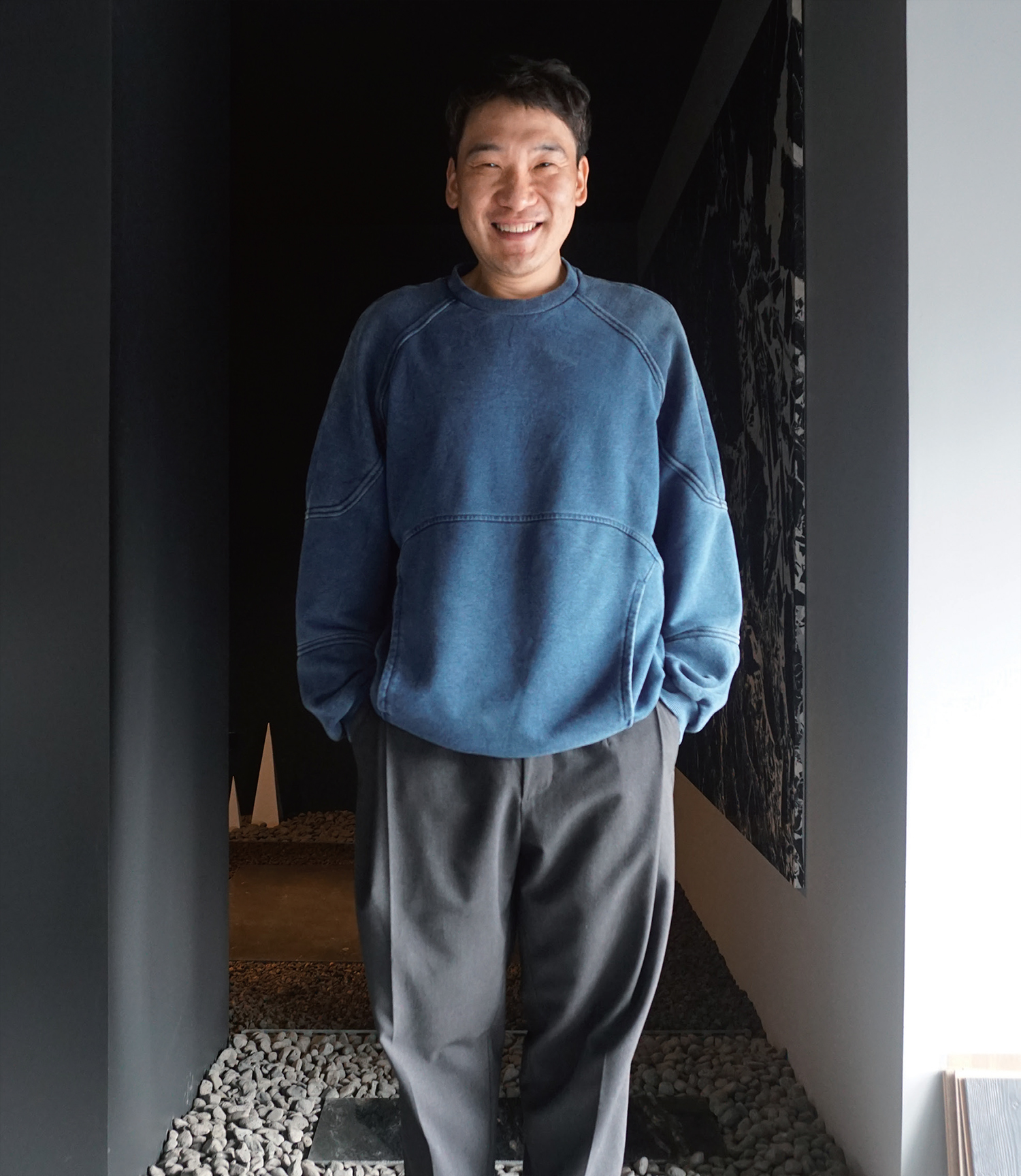
Jang Wonseok
Kim: In retrospect, what keyword do you think best represents the identity of your office, ‘HaeSeok’?