Towards an Architecture of Relationality (Part 2): Kuma Kengo
photographed by
Fujitsuka Mitsumasa (unless otherwise indicated)
materials provided by
Kengo Kuma & Associates
SPACE February 2026 (No. 699)
Following the feature on Yung Ho Chang (covered in SPACE No. 690, FEATURE section), SPACE and Inha Jung (Professor, Hanyang University) trace the history of modern and contemporary East Asian architecture through a two-part interview with Kuma Kengo. Having experienced the rise and fall of Japan’s bubble economy firsthand during his university studies and early years of practice, Kuma critically viewed the architecture of that era – which he saw as ostentatious as American Postmodernism – and sought a different architectural path, diverging from the previous generation of architects who flourished during the economic boom. While the previous issue examined his formative experiences and the concepts of form and freedom found in Weak Architecture, this concluding installment delves into his critical perspective on Postmodernism, his proposal of ‘relationality’ as an alternative to ostentatious architecture, and the value of time shared by East Asian architecture. Editor
From the Age of the Icon to the Age of Relationships
Inha Jung (Jung): What was your initial intention in planning the project Goodbye Modernism (1989)?
Kuma Kengo (Kuma): I studied at Columbia University as a visiting scholar from 1985 to 1986. I had plans to open an office in Tokyo around that time, but before that, I wanted to experience what America was like. Fortunately, I received a grant from the Rockefeller Foundation. This gave me the opportunity to meet and interview postmodern architects like Peter Eisenman and Michael Graves. I visited their offices and was sometimes invited to their homes. Philip Johnson even invited me to his home, the Glass House (1949). Through the interview with them, I learned many things. I could understand the close relationship between their philosophy, everyday life, and professional practice. Their lives, philosophies, and architectural practices were integrated into a unified whole at a remarkably high level. That experience was very helpful for me, and I enjoyed those interviews very much.
Jung: Did you view American postmodernism as a key prism through which to understand Japan’s Bubble era?
Kuma: Yes! American postmodernism and the Japanese bubble economy were very much connected. Basically, creating an ‘icon’ was the goal of that period. This was because the icon and the economy were connected in that period. But I think the new generation doesn’t need icons anymore. For them, relationships are more important than icons.
Jung: Before you moved to the U.S., Isozaki Arata completed his famous Tsukuba Center in 1983. Were you influenced by this building when you studied postmodernism in architecture?
Kuma: Yes, I was interested in Isozaki because he knows history. However, the history he studied and used was basically Western history; Western classical architecture. He was not interested in Asia; he was always facing the West. The Tsukuba Center came from his love and respect for Western history. I was not interested in that kind of building. History is important to me, too, but I learned more from the history of Japan and Asia.
Jung: You designed the M2 building in 1989. What was your real intention behind this design? I am also curious how your research on American postmodernism influenced this project.
Kuma: Looking back at the M2 building, my intention was to destroy postmodernism. It is true that I was stimulated by American Postmodernism. However, I wanted to criticise that nostalgic American style. As an alternative, I tried to propose a new postmodernism based on the chaotic nature unique to Asian cities. I combined many items to reveal that particular breed of chaos. I wanted to show the energy coming from the chaos. Since the client was Mazda, a major Japanese car company, I had to soften my criticism, but the basis of my M2 building design was still to destroy.
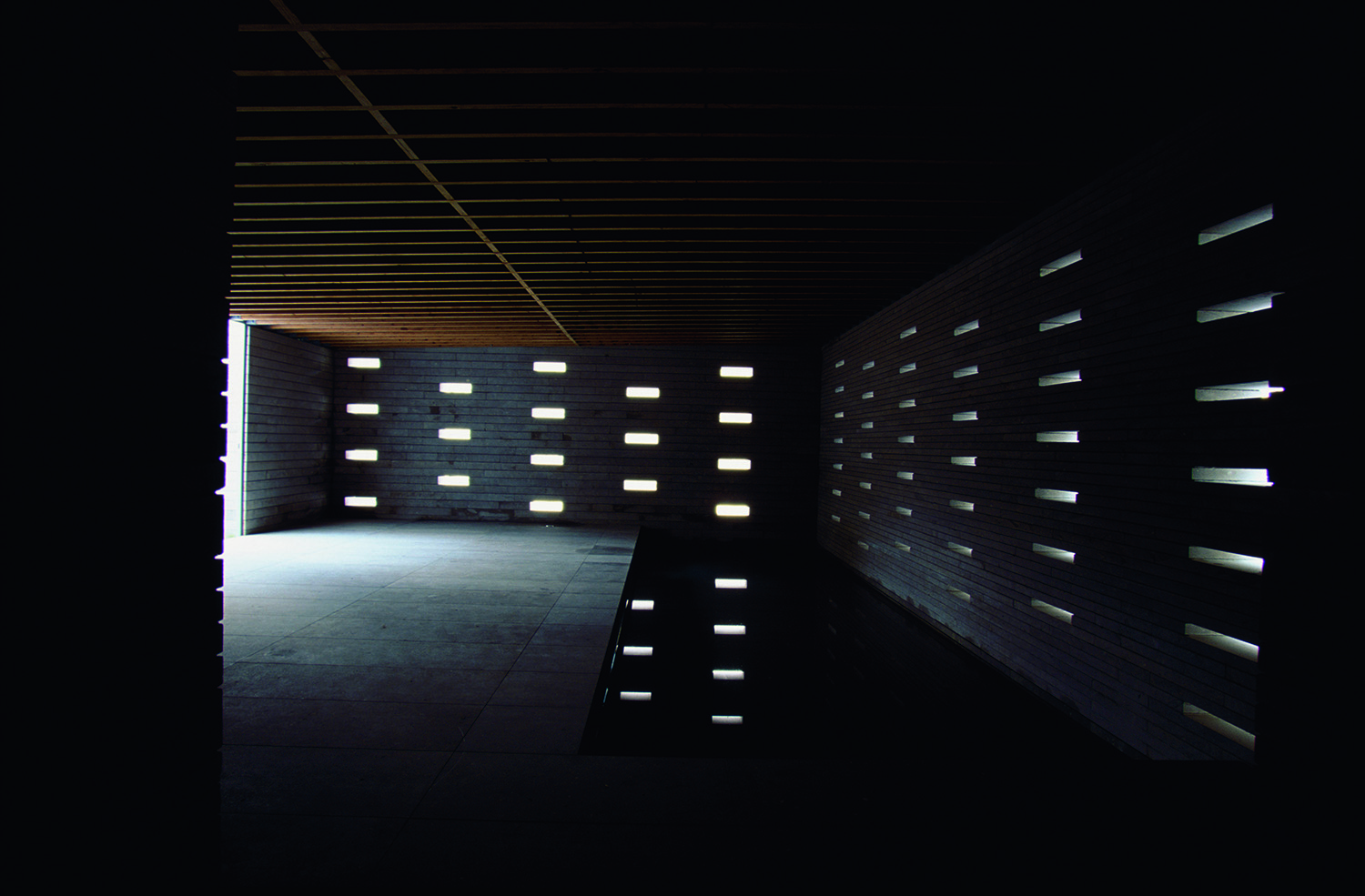
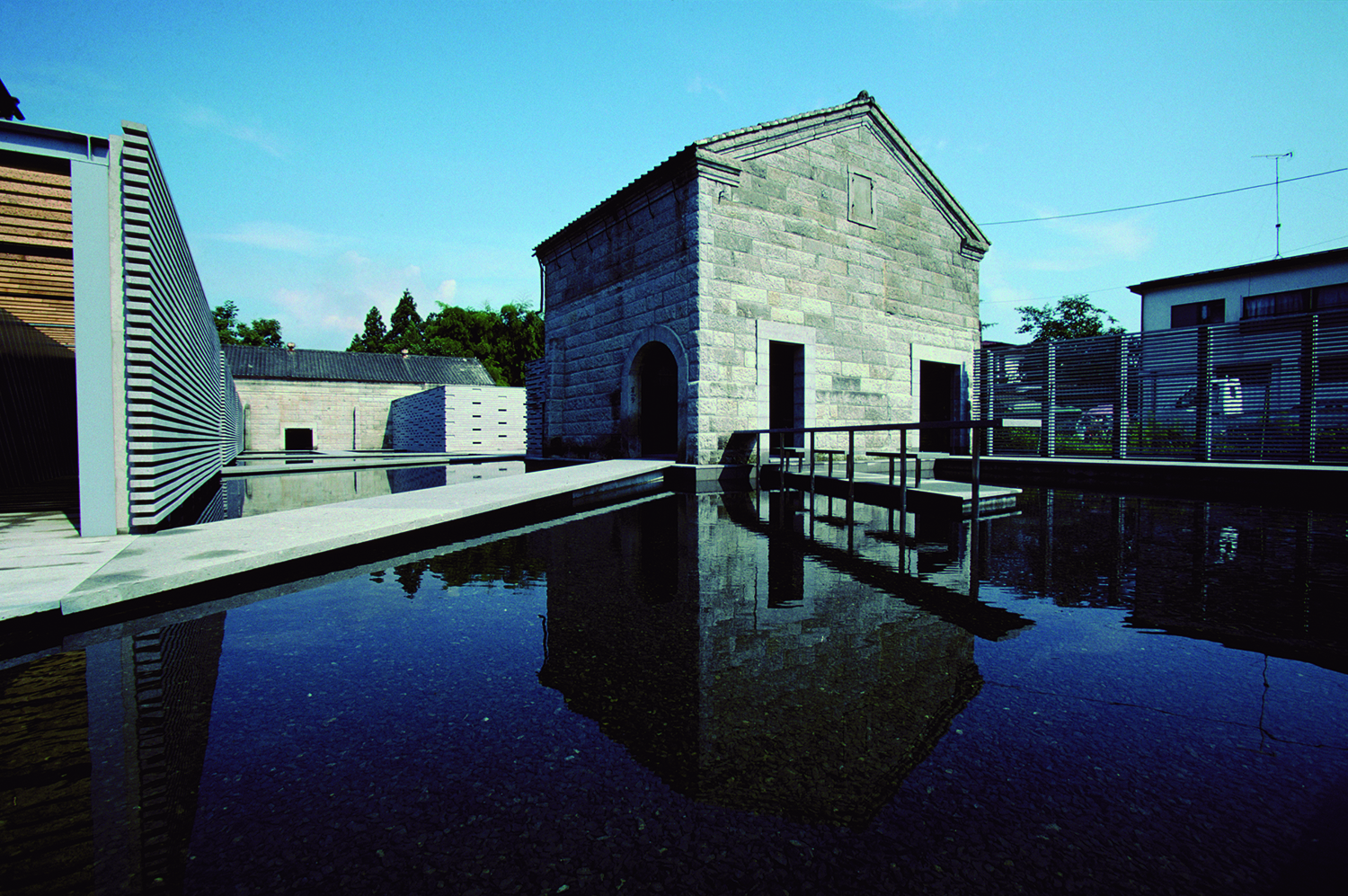
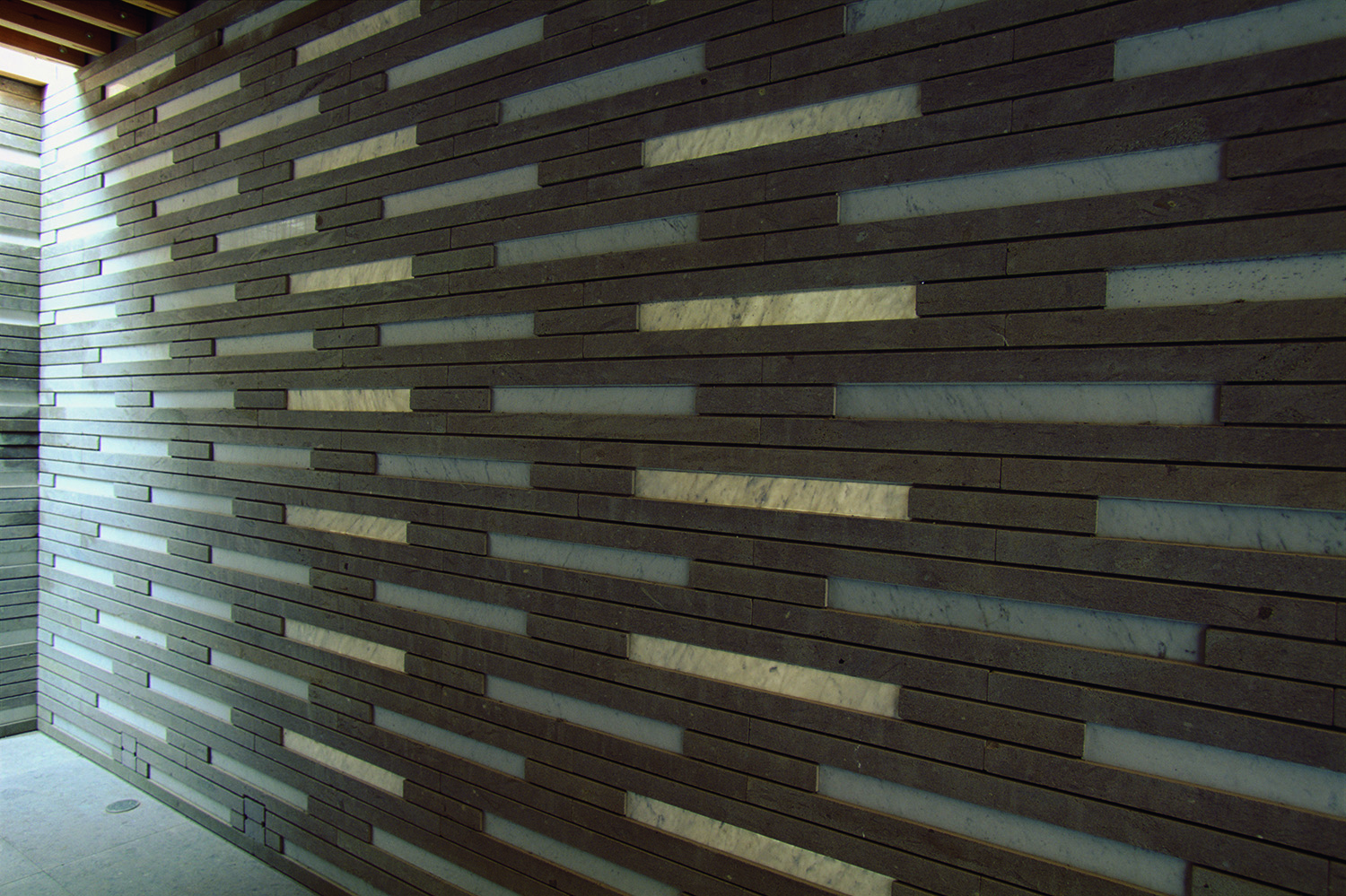
Stone Museum (2000)
Located in Tochigi Prefecture, Japan, this project involves the renovation of 80-year-old rice granaries as a museum dedicated to stone arts and crafts. Ashino stone, identical to that of the existing structures, was employed to establish an organic connection between the interior and exterior. The project explores the materialʼs new potential, particularly through stone louvres and porous masonry walls with approximately one-third of the stones removed, creating unique light effects that permeate the interior.
Humane Design Rather Than Abstract Aesthetics
Jung: After returning from the U. S., you wrote Theory of 10 Houses (1986). The way this book describes Japanese or other architecture is quite controversial and contains very unique perspectives. What was your intention in writing this book?
Kuma: I wrote that book while I was studying at Columbia University. The starting point was to criticise the ‘styles of that era’, such as Ando Tadao’s style or the American Postmodernist style. I believed their styles were deeply connected to creating icons, and I wanted to criticise that kind of icon-oriented attitude. However, at that time, I still couldn’t find the goal behind that kind of criticism. I just stopped criticising them.
Jung: What was most interesting to me was your unconventional classification of houses into ten distinct types. It reminded me of the whimsical Chinese encyclopedia Michel Foucault refers to in his The Order of Things (1966), where categorisation defies the Western discursive system of the period. What criteria did you use to arrive at these ten categories?
Kuma: The classification of the ten types was intuitive; there was no specific academic criteria. Rather, it had a strong aspect of social satire, trying to criticise the situation as I saw it in the Japanese architectural world at that time. When I started writing, I hadn’t decided on the number of chapters. But as I progressed, it naturally reached around ten. Coincidentally, in Japanese, the number ‘ten’ (ju, 十) has the same pronunciation as ‘house’ (ju, 住). So, decided on the title ‘Juttaku Ron (Theory of Ten Types of Housing)’.
Jung: You mentioned that this book was written as a critique of Ando Tadao’s Sumiyoshi House (1975), but to me, it reads more as a response to Shinohara Kazuo’s Theory of House. How do you evaluate Shinohara’s works and the ‘Shinohara school’ (Ito Toyo, Hasegawa Itsuko, Sakamoto Kazunari, Sejima Kazuyo) that emerged in the 1980s? Some critics classified you as a member of the Shinohara school. Do you agree?
Kuma: Ito Toyo and Sejima Kazuyo can certainly be considered followers of the Shinohara school. However, I have been searching for a different methodology. I criticised the Sumiyoshi House in the book because Ando was already a popular and established architect in Japan and abroad, and the Sumiyoshi House was his most representative work. However, in reality, my book is a critique of Shinohara’s theory rather than Ando’s houses.
Jung: Many Japanese architects begin their careers with residential projects before gradually moving on to larger-scale buildings. However, your portfolio contains relatively few houses. Do you see limitations in expressing your architectural philosophy through residential design, or is there another reason?
Kuma: I have been careful not to design houses as abstract forms or spaces. For instance, I consider Shinohara Kazuo’s houses to be at the extreme limits of the method of abstraction. While I acknowledge the beauty of the houses resulting from that method, I believe there is no future for design beyond that path. I thought future design must be more human. That attitude is evident in my early work, the Izu Bathhouse (1988). Perhaps because people recognised that stance, they didn’t ask me to design houses very much.
Jung: If you were to categorise your residential designs within the framework of Theory of 10 Houses, which group do you think they belong to?
Kuma: If I had to classify myself in the Theory of 10 Houses, I would be in the ‘historical house group’. I find comfort in old architecture, and I feel a deep affection for the work of renovating it to create new spaces.
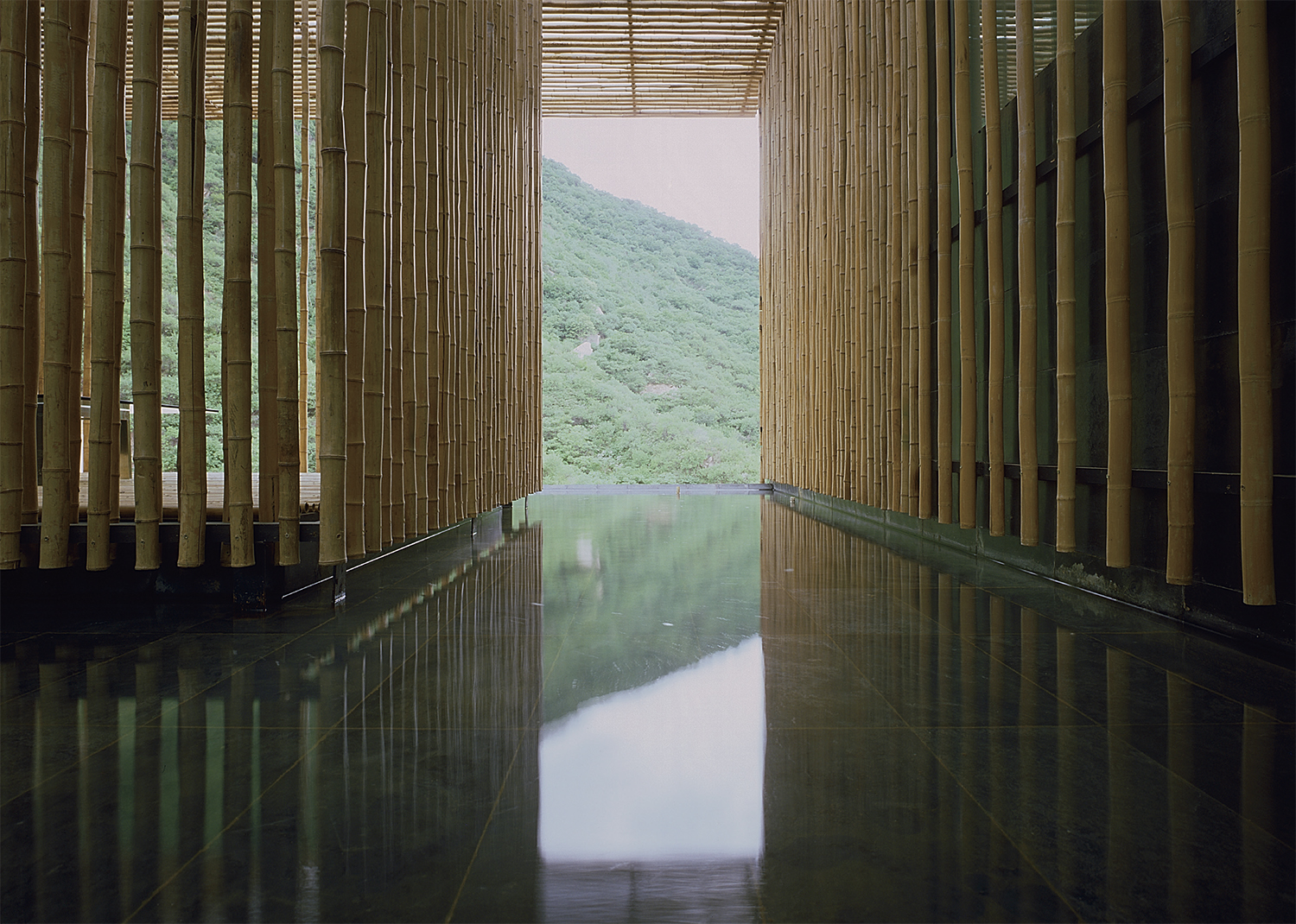
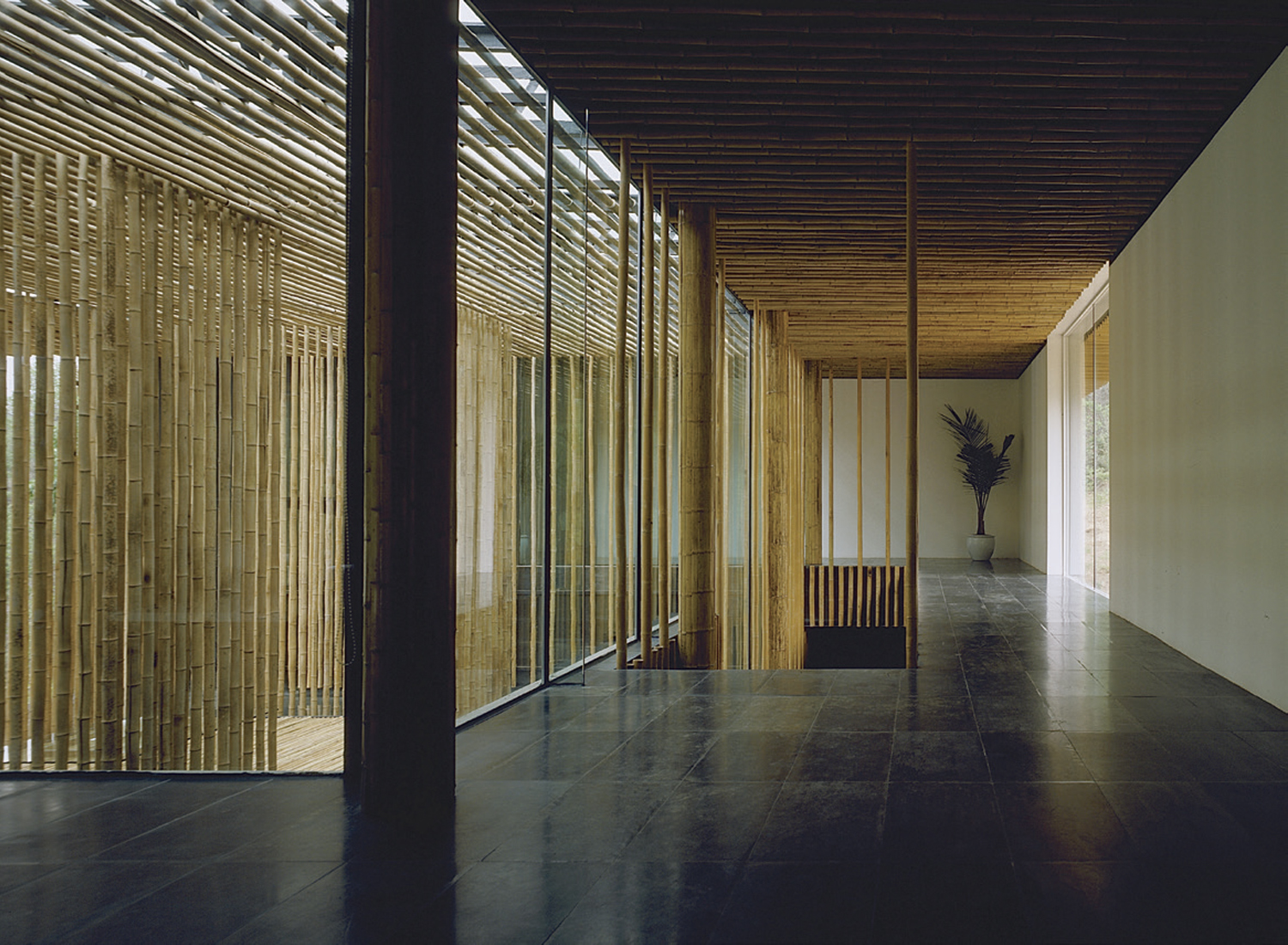
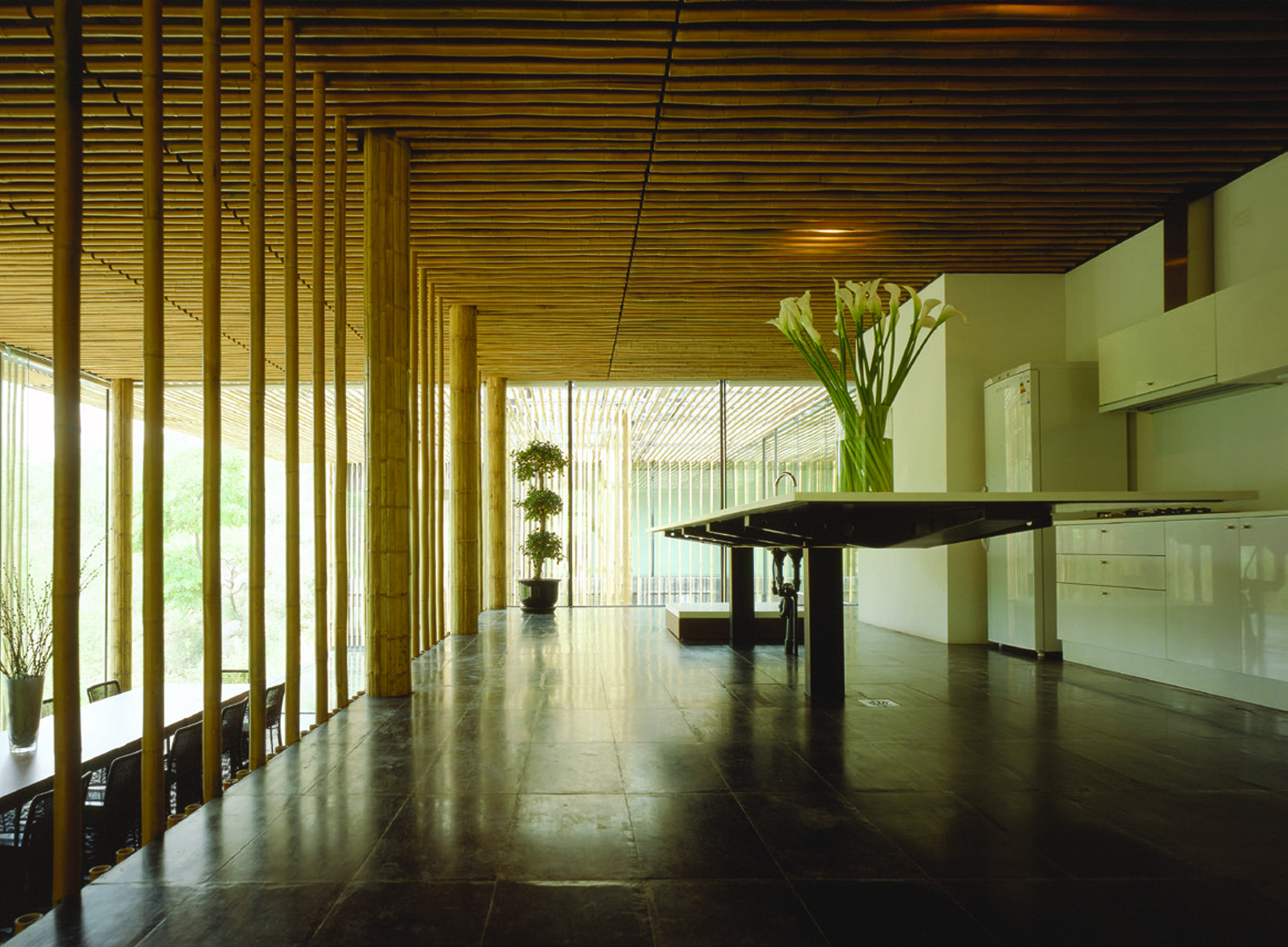
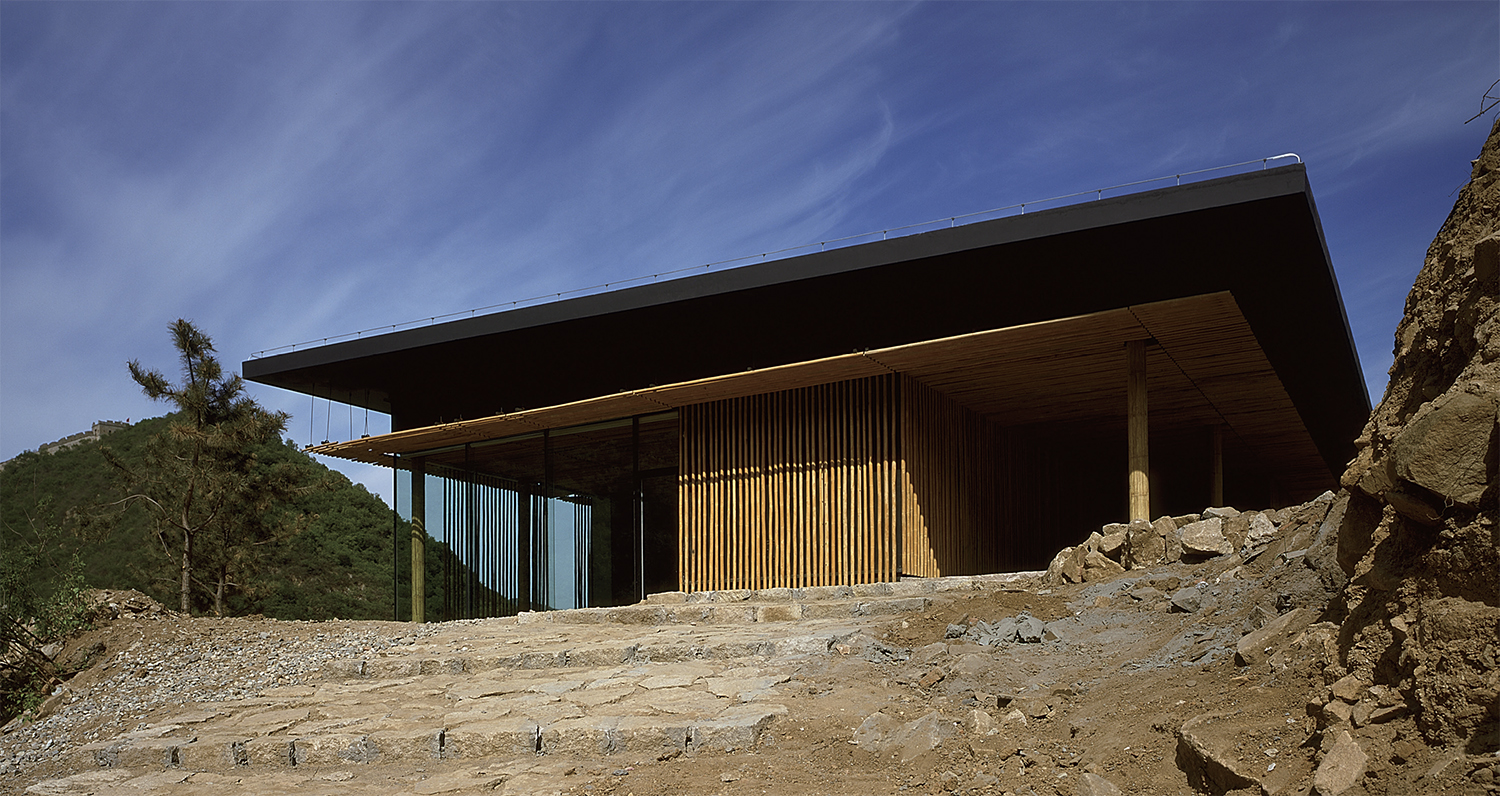
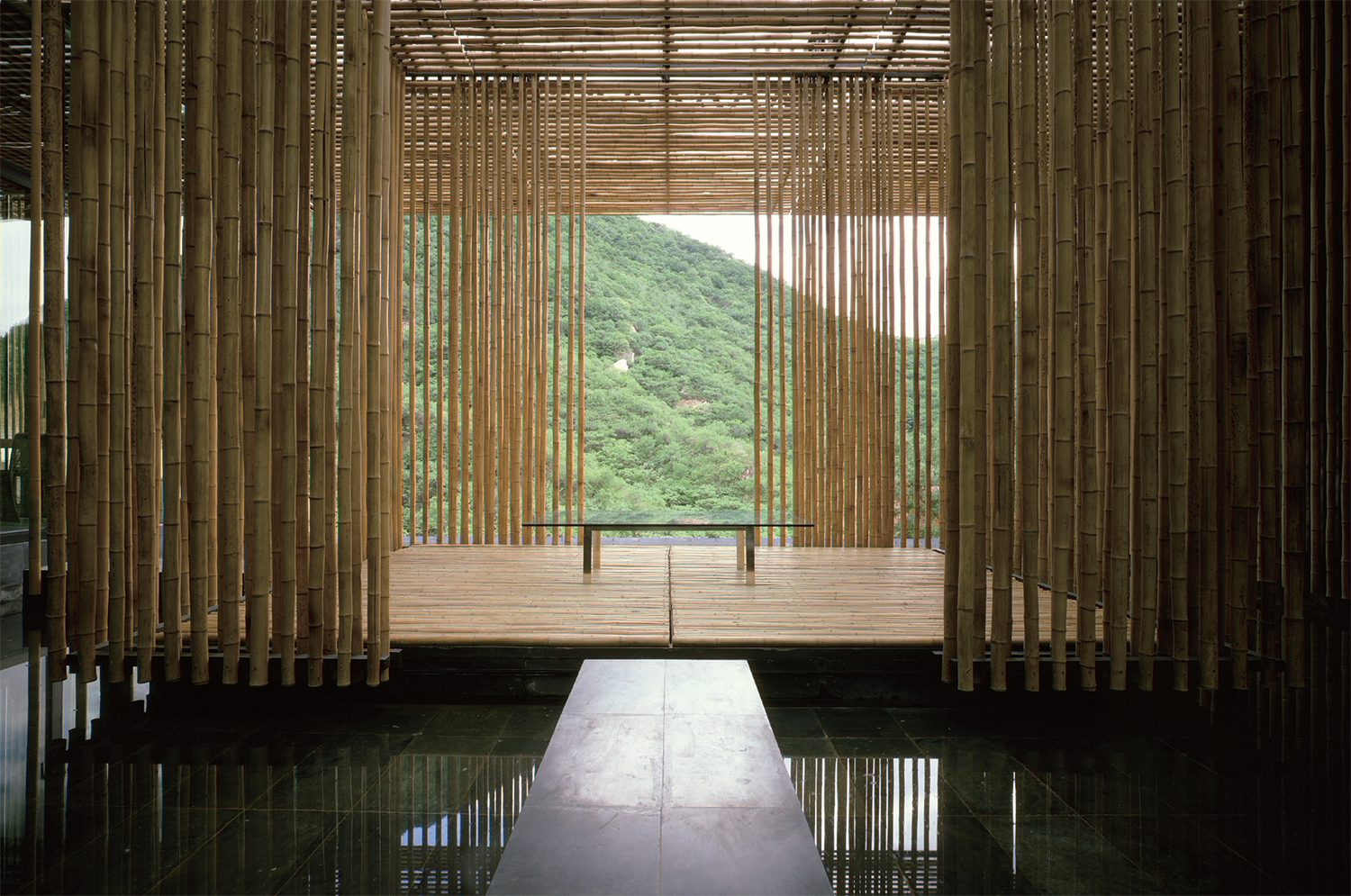
Located within the ‘Commune by the Great Wall’ near Beijing, this project draws inspiration from the form of the Great Wall, which runs endlessly along the ridgeline rather than standing as an isolated object. This is the reason for its title, ‘Wall’, rather than ‘House’. Kuma used bamboo – a material of significant cultural importance in both China and Japan – flexibly adjusting its density and diameter to partition spaces. Unlike the historic Great Wall, which symbolised severance, this project proposes a ‘Great Wall in particles’ that mediates and unites life and culture.
Relationality Bridging Severance from the Site
Jung: I believe relationality (kankeisei) is a central concept in your architectural philosophy. In what intellectual context and through what occasions did you come to develop this concept? Which of your projects best embodies this idea?
Kuma: As you mentioned, ‘relationship’ is a very important keyword in my work. I am trying to oppose the ‘severance’ – the attitude of disconnecting buildings from the ground – which was popularised by modern architecture. That is why I place great importance on projects that renovate old buildings. Examples of this include my early representative work, the Stone Museum (2000), and a more recent work, the extension to the cathedral in Angers, France (ongoing).
Jung: When I heard your concept of relationality, it reminded me of Korean artist Lee Ufan’s concept of Relatum (kankeiko). Lee Ufan mentioned that he developed this idea from engagement with Korean folk paintings. Folk paintings focus not on the objects themselves but on the invisible relationships between objects and place. I am curious about your views on the ideas of materiality and place developed by Mono-ha artists such as Lee Ufan and Nobuo Sekine.
Kuma: The Mono-ha movement is extremely Japanese in its expression. It is landscape-oriented and stands at the opposite pole of the ‘severance’ of Western modernism. Mono-ha views materials not merely as a means of creating objects, but as elements or particles that comprise the landscape and environment. Stones and plants, for example, are such elements.
Jung: You have frequently mentioned the difference between Western and Japanese approaches regarding the relationship between architecture and place. You state that Western architects understand place in a subject-centred way, whereas Japanese architects think in a place-centred way. Do you adopt particular design strategies that vary according to the differing conditions of place, such as urban, suburban, or rural settings?
Kuma: This is a frequently asked question. However, regardless of the location, all of our architecture is designed to respond to the environment of the site. Therefore, there is no standardised ‘strategy’ based on the type of place.
Jung: In your writings, I was impressed by your citation of Frank Lloyd Wright: ‘The most radical architecture is rooted in nature.’ Titles like Weak Architecture (2004) and Natural Architecture (2008) might make your stance seem traditionalist or conservative. However, the content critiques the very premises of modern architecture from the root, showing a very radical and avant-garde orientation. Do you consider yourself closer to a conservative architect or a progressive one?
Kuma: I am neither a progressive nor a conservative architect, and I intend to stay that way. However, many of my buildings have been inspired by traditional Asian architecture, so they may be perceived as avant-garde when interpreted simply.
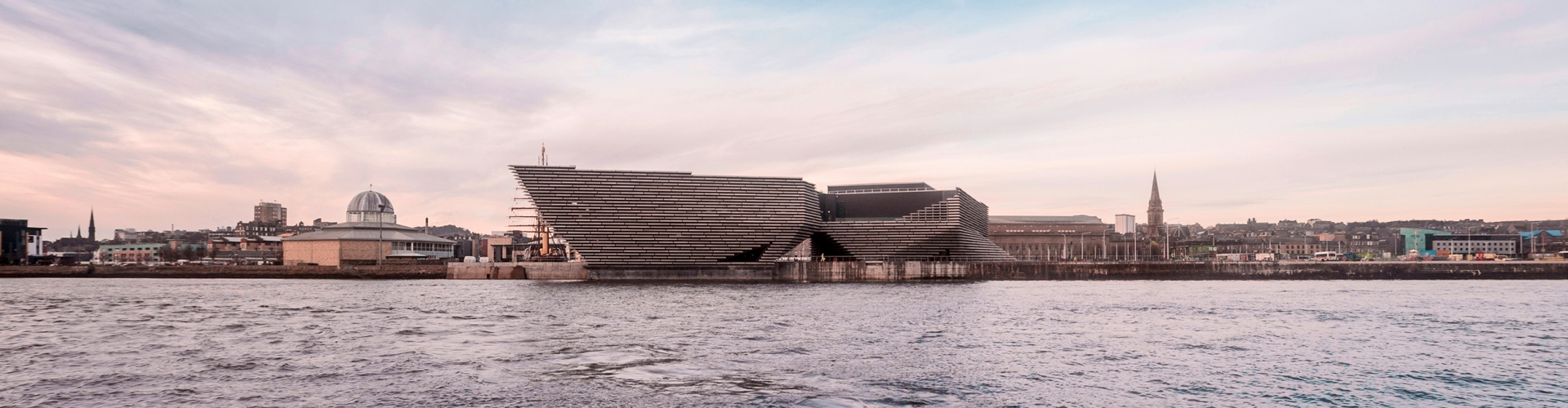
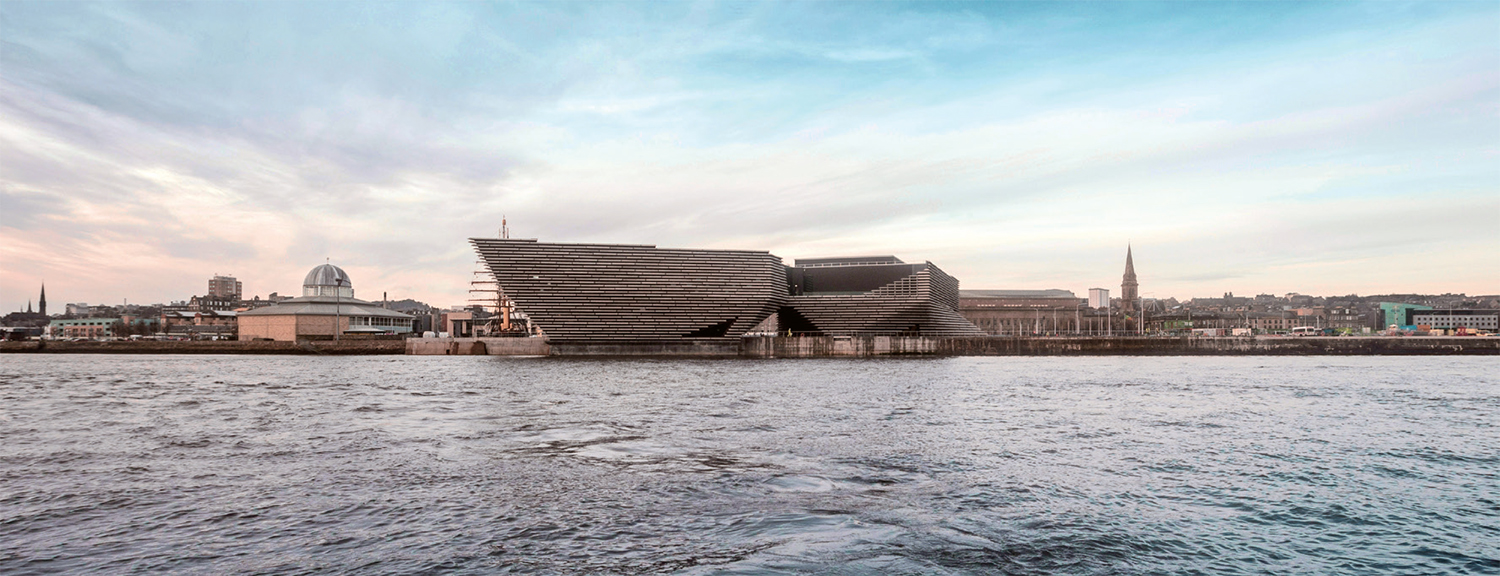
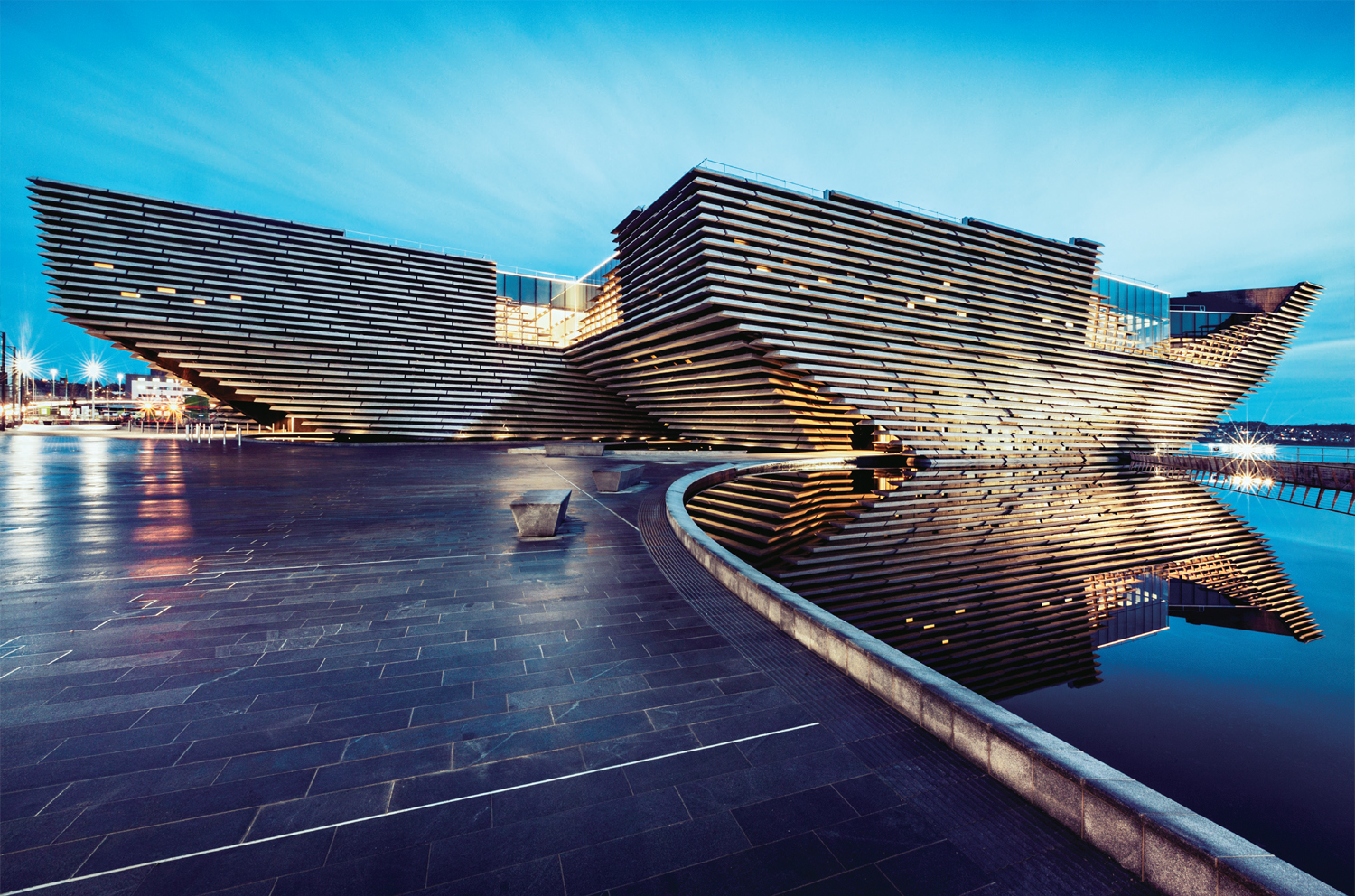
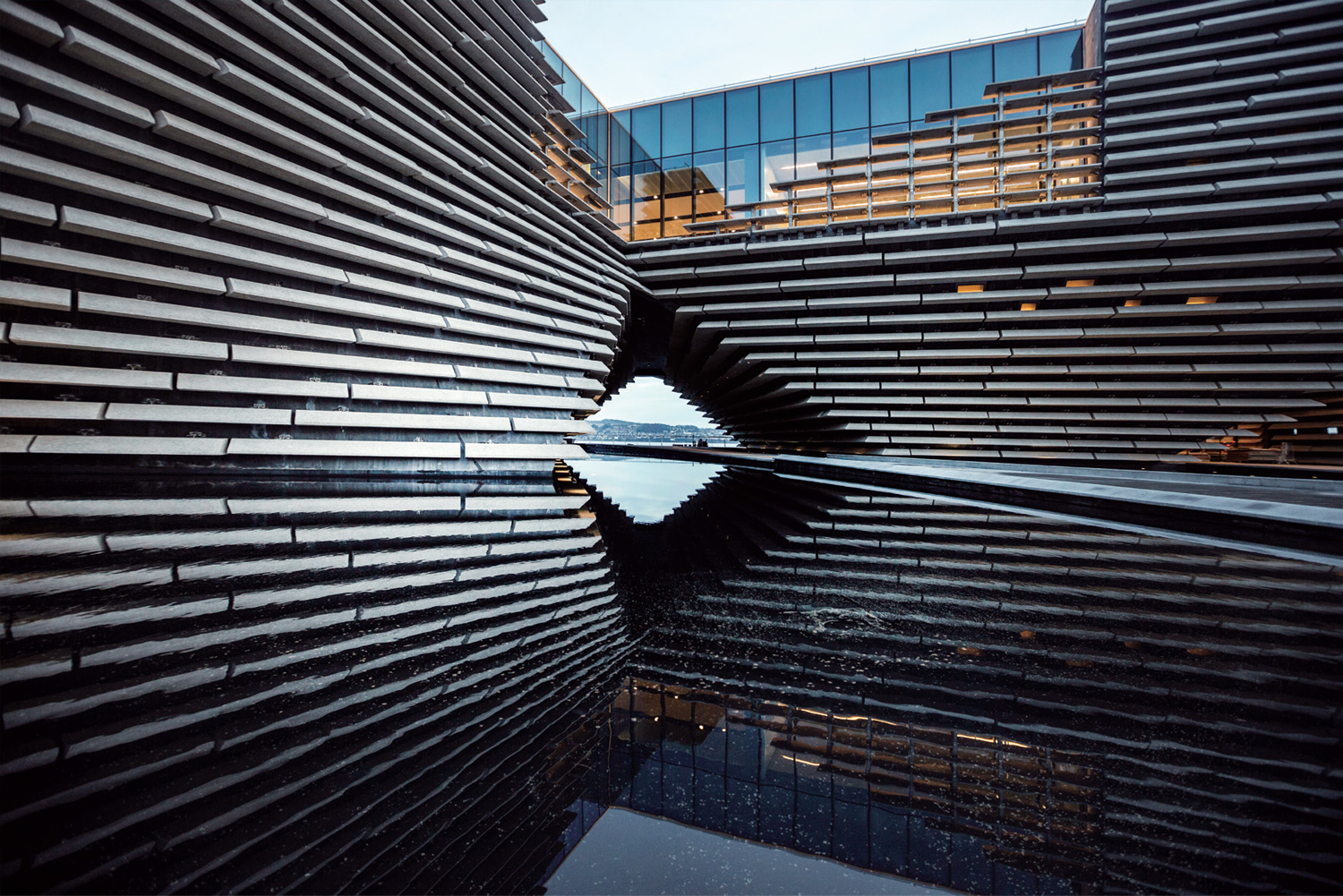
Located on the waterfront of the River Tay in Dundee, V&A Dundee is Scotland’s first design museum. Inspired by the cliffs of the Orkney Islands in northern Scotland, Kuma realised a façade with subtle nuances and natural randomness by horizontally stacking precast concrete slabs at varying angles. The core of the project is the massive ‘cave’ piercing the centre of the building. This void acts as an urban device to reconnect the city centre with the river – a relationship previously severed by 20th-century industrial warehouses – strengthening the connection between nature and people much like a Shinto Torii gate. The interior space expands upwards, offering a unique sense of openness; by revitalising the River Tay waterfront, the building functions as a ‘living room’ for the city.
East Asian Architectural Identity and the Design of Time
Jung: When I was a visiting professor at Tsinghua University in China, I often visited Sanlitun Village South (2008), which you designed. You have also completed several projects in Korea, such as Audeum (2024, covered in SPACE No. 681). Given your experience designing in China, Korea, and Japan, do you think there are common values, aesthetics, or cultural principles shared by the architecture of these three East Asian countries?
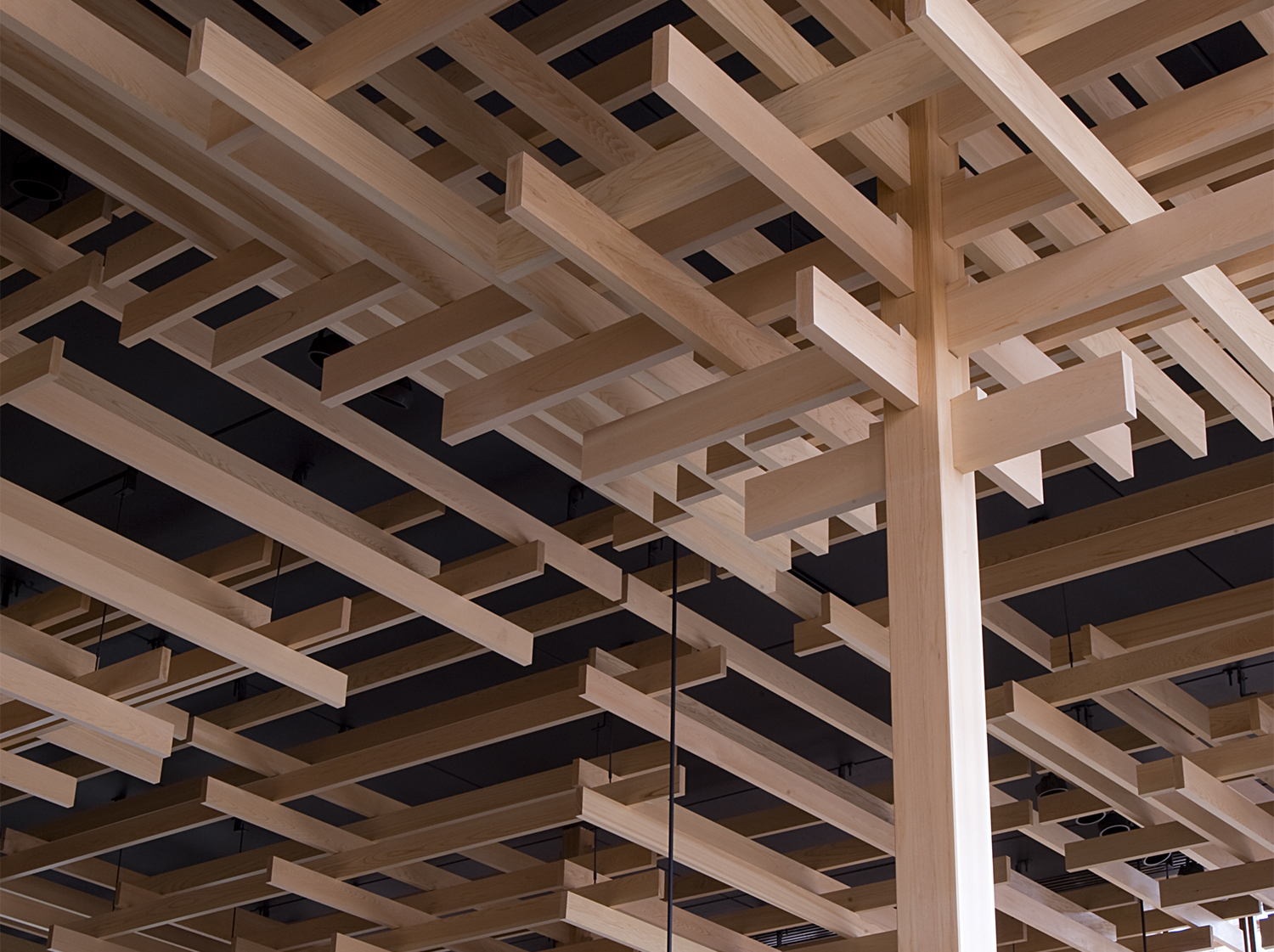
Kuma: Living in East Asia, we tend to focus on the differences between neighbouring countries. However, in a global context, I believe East Asian countries share many important values. These values stem from a culture that emphasises time over space. I feel that East Asian architecture has historically preferred materials that convey ‘lightness’ and ‘weakness’ – such as wood, cloth, paper, and tin sheets – rather than durable, permanent materials like brick or stone. I call this ‘temporal design’: a method of enjoying the process of aging and allowing space to change freely by using such materials.
You can see more information on the SPACE No. February (2026).
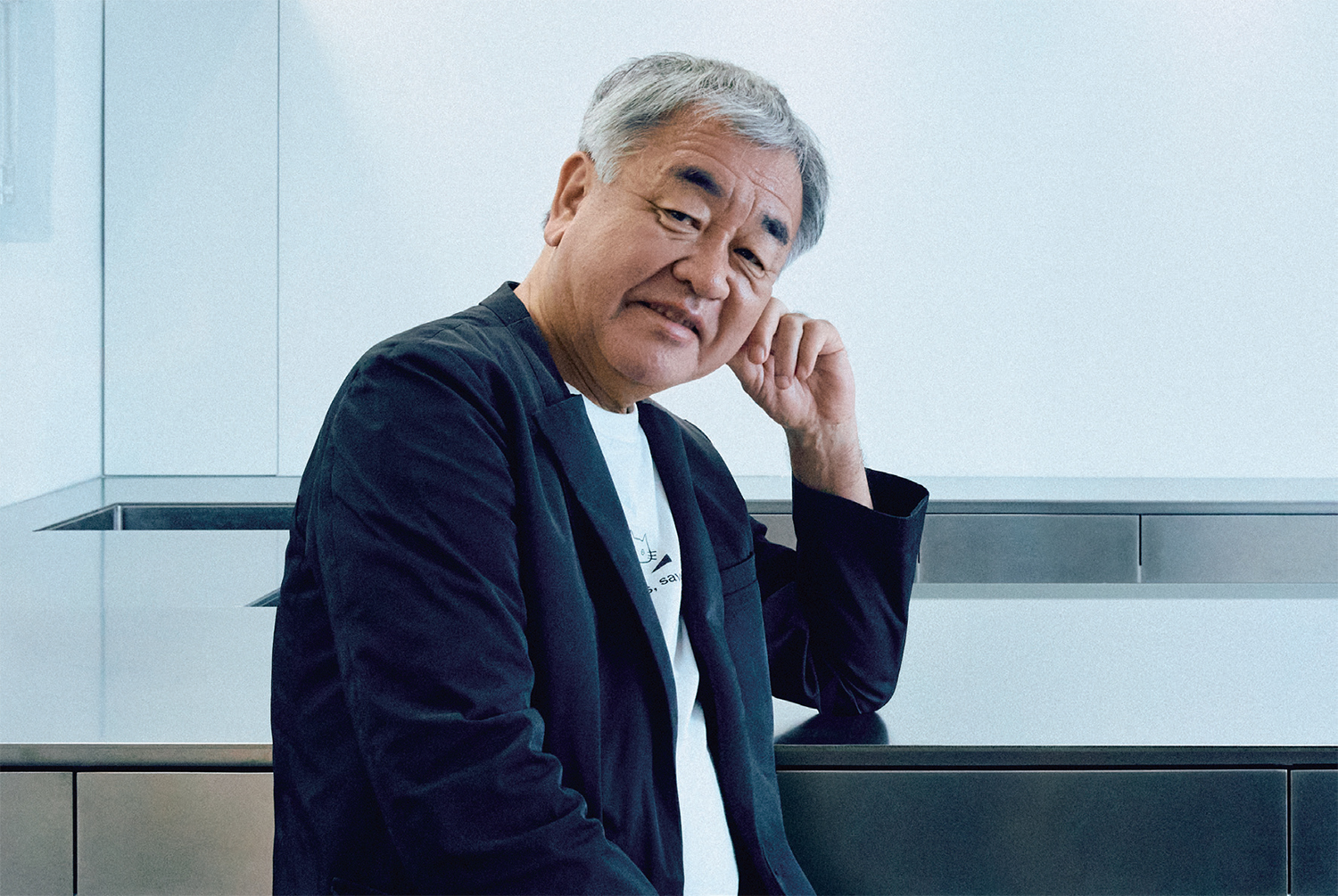
Kuma Kengo
Kuma Kengo received his Master’s degree in Architecture from the University of Tokyo and established Kengo Kuma & Associates in 1990. Kengo Kuma & Associates aims to design architecture which naturally merges with its cultural and environmental surroundings, proposing gentle, human scaled buildings. The office is constantly in search of new materials to replace concrete and steel, and seeks a new approach for architecture in a post-industrial society.
Inha Jung
Inha Jung, born in 1964, received his Bachelor’s and Master’s degrees from Seoul National University before acquiring his Ph.D. from the University of Paris I (Pantheon- Sorbonne), France, in 1993. He is currently a Professor of Architectural and Urban History at Hanyang University ERICA Campus. His research focuses on East Asian modern architecture and cities. His recent major publications include; Constructing the Socialist Way of Life: Mass Housing and Urbanism in North Korea (2023); Modern Architecture in Korea (2023); Architecture and Urbanism in Modern Korea (2013); and Exploring Tectonic Space: The Architecture of Jong Soung Kimm (2008).