
SPACE January 2026 (No. 698)
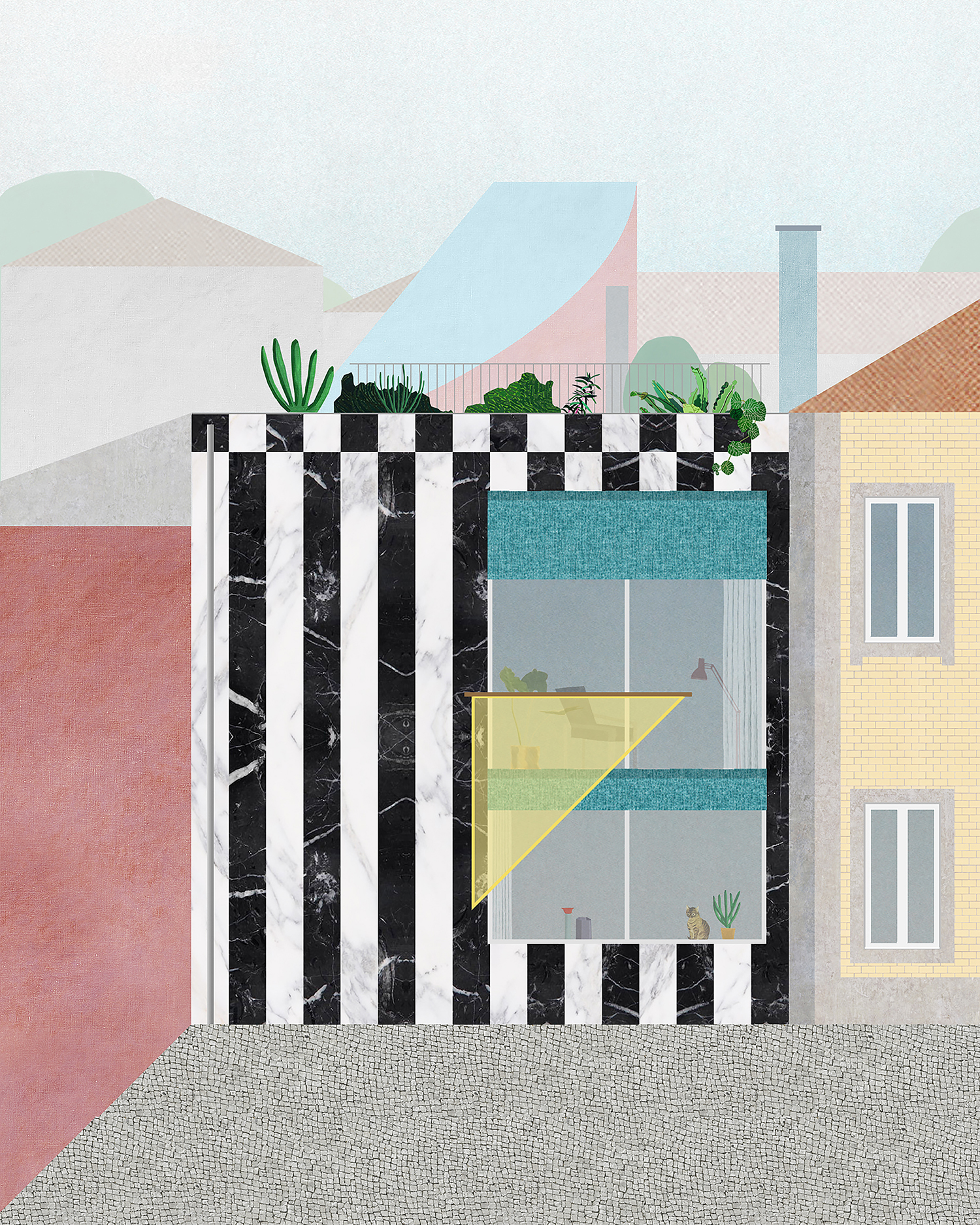
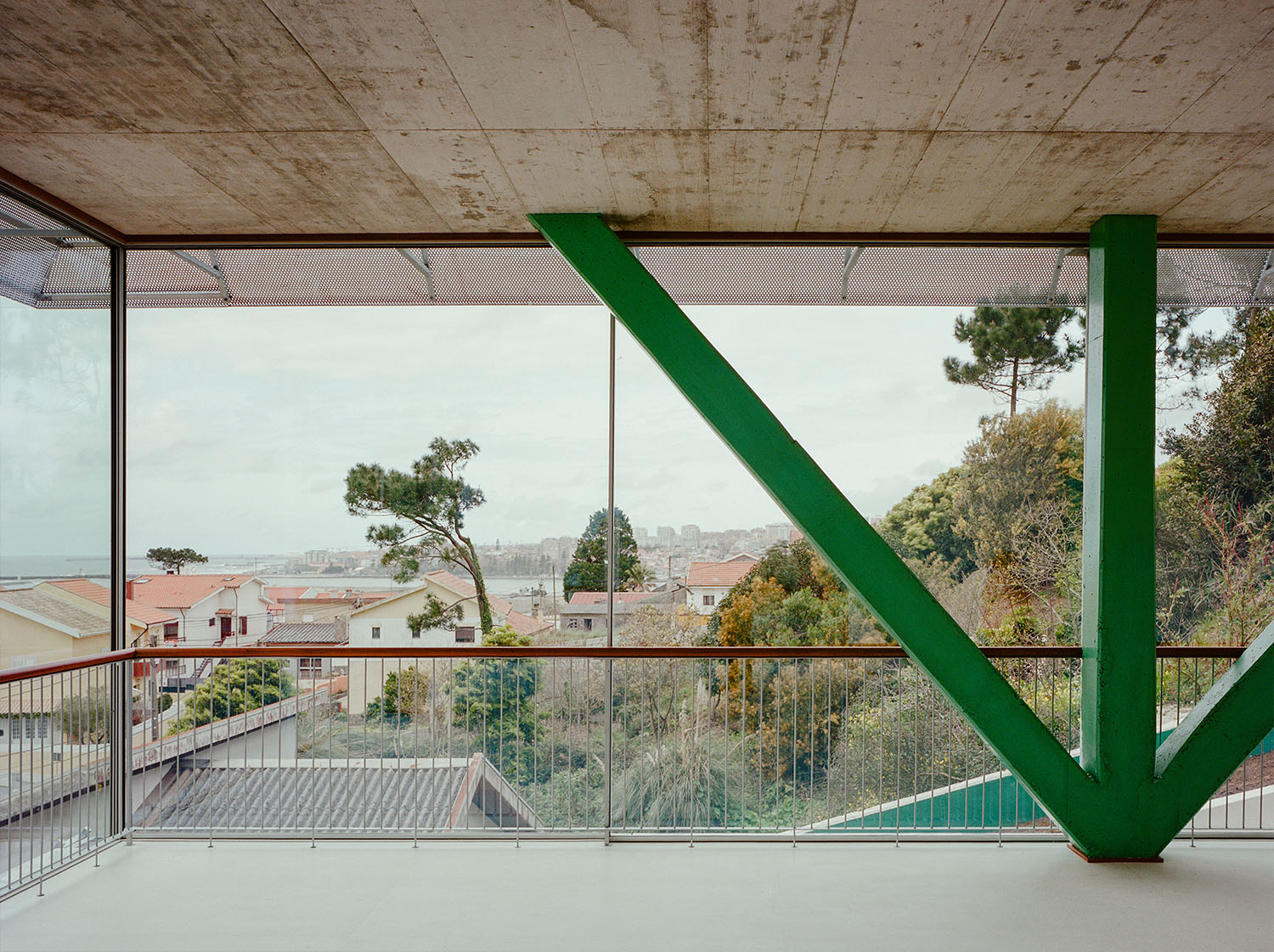
143(house around a column)
Irreverent Counterpoint
A profound and paradoxical tension defines the architectural landscape of contemporary Portugal. On one side, there is the monolithic weight of a globally revered modernist tradition, exemplified most notably by the Escola do Porto★1 and its Pritzker-crowned masters, who instilled an ethic of rigorous minimalism, deep contextual reading, and material sincerity. On the other side stands the present reality: the fast-paced, commercially driven exigencies of a post-crisis economy heavily reliant on foreign investment, real-estate speculation, and mass tourism. Emerging into this highly charged milieu in the early 2010s, the Porto-based fala by Filipe Magalhães, Ana Luisa Soares, Ahmed Belkhodja, and Lera Samovich, represented a pivotal generational shift.
Their work, characterised by ‘methodic optimism’, vibrant colour, geometric rigour, and an almost child-like aesthetic simplicity—what they term ‘naive architecture’, is not merely a singular stylistic departure; rather, a calculated, deeply self-aware re-framing of Portuguese architectural practice that critically engages with the wider culture of investment-led urban renovation in Portugal, transforming the banality of that speculative landscape into a highly rhetorical, conceptually charged, and ultimately fragile form of contemporary art. They challenge the very notion of what constitutes ‘good’ or ‘serious’ architecture in the face of rapid, systemic urban change.
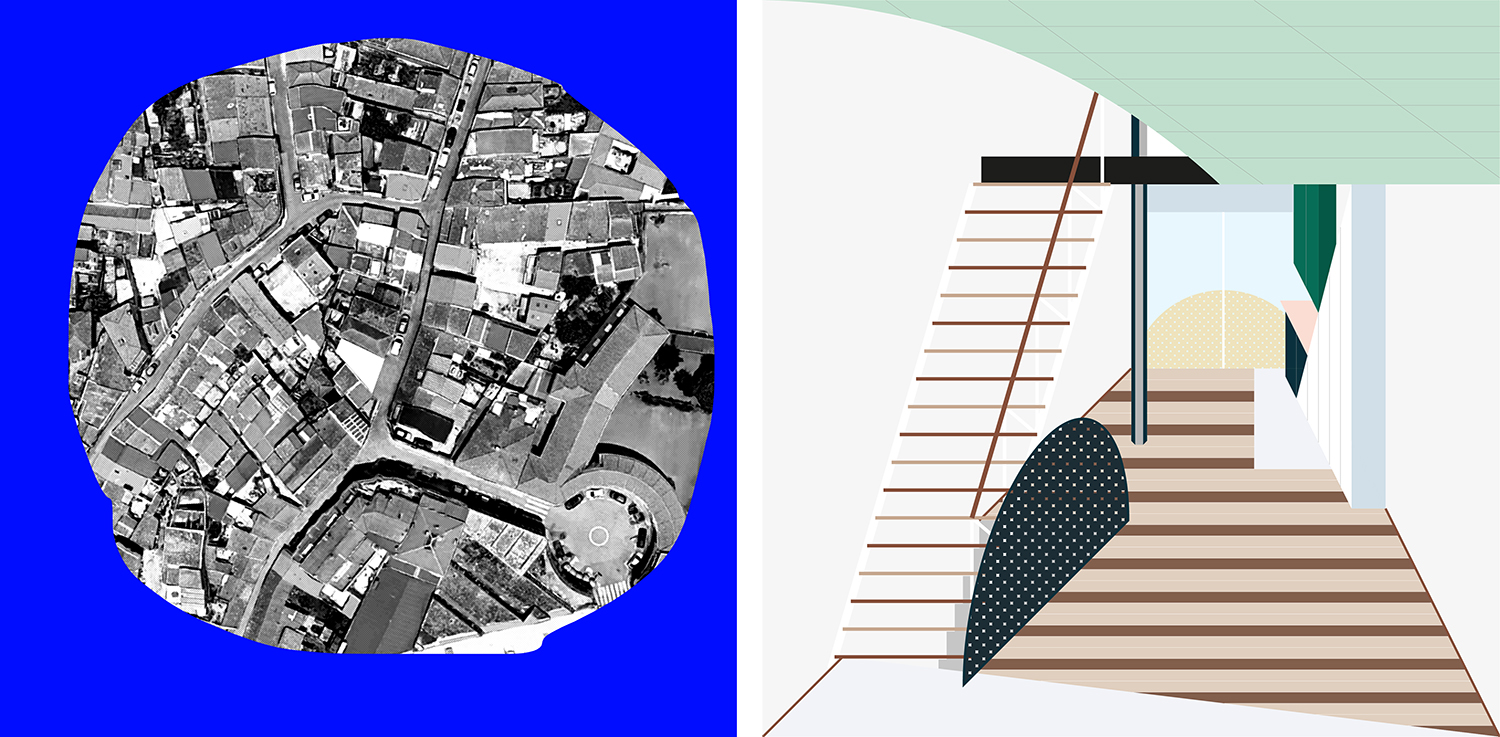
143(house around a column)
To understand fala’s radical impact, one must first appreciate the cultural context they actively counter: the pervasive shadow of the Escola do Porto. This aesthetic ideology, sometimes affectionately described as arroz e polvo (simple ingredients, well executed), championed a set of apparently immutable values: minimalist austerity, the tectonic silence of raw materials, and a profound commitment to contextual integrity. It demanded slowness, material honesty, and quiet dialogue with the existing urban fabric. fala, conversely, positioned themselves against this locally rooted reason. They burst onto the scene without seeking permission or paying homage, openly embracing a wide and often contradictory spectrum of international references from the utopian formalism of Japanese Metabolism to the quotation inherent in postmodernism, while wandering through the intricate topography of Porto’s picturesque, narrow, winding streets.
Their immediate embrace of an international, digitally mediated network positioned them as a necessary, irreverent counterpoint to a scene that had risked becoming ideologically stagnant. As architects born of a global movement, they selected their own lineage, making distant heroes feel as familiar as local ones. The architectural language they developed is deliberately antithetical to what was established: openly rhetorical in its aim and grounded in rigorous proportion, yet inflected by a self-conscious ‘cuteness’ they often acknowledge in their own lectures—a disarming affect that both softens and intensifies the emotional reach of their work. In this sense, they assert that architecture must possess a visual and emotional gravity independent of local historical consensus.
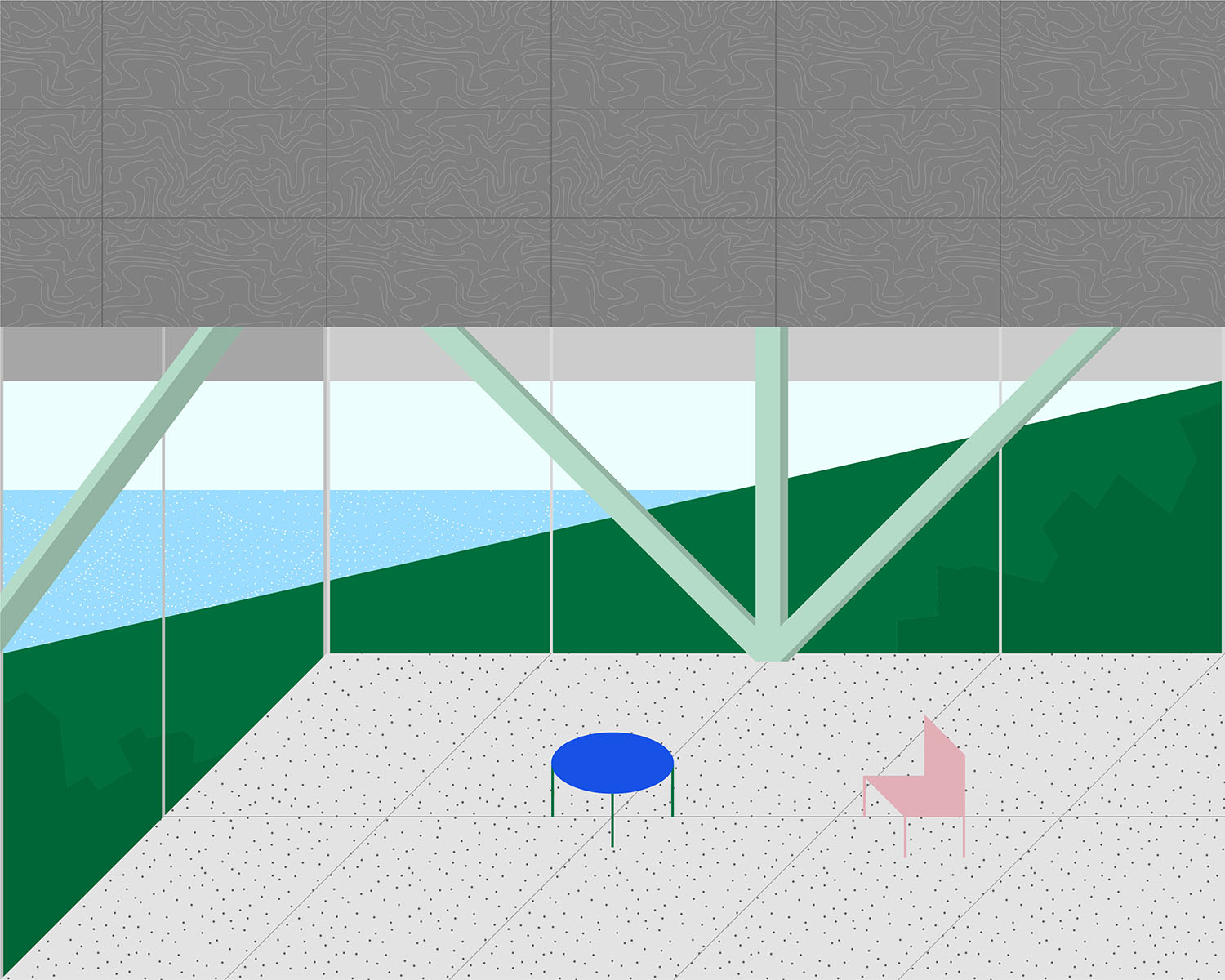
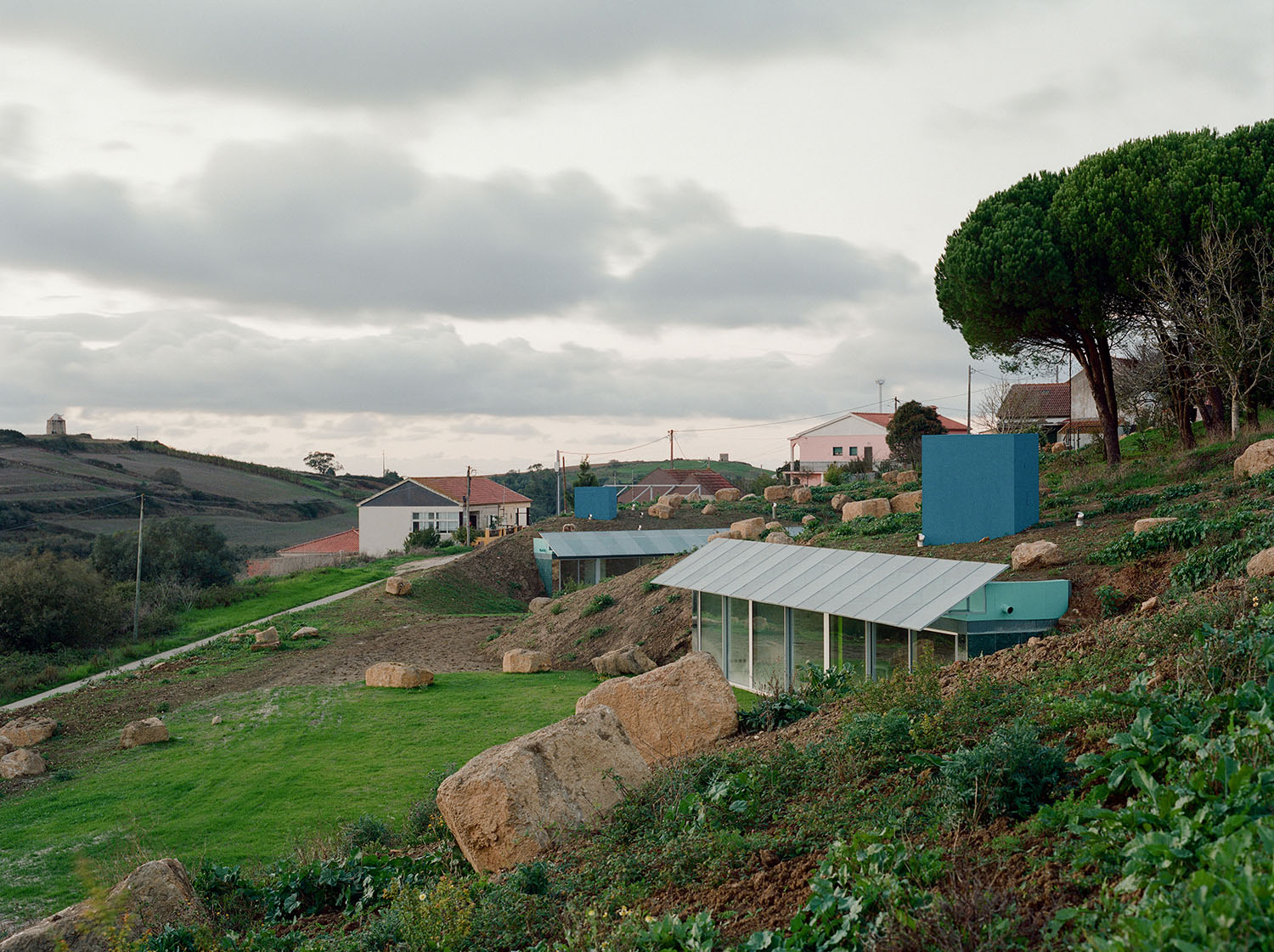
144(house of three structures)
Inventive Art on the Market
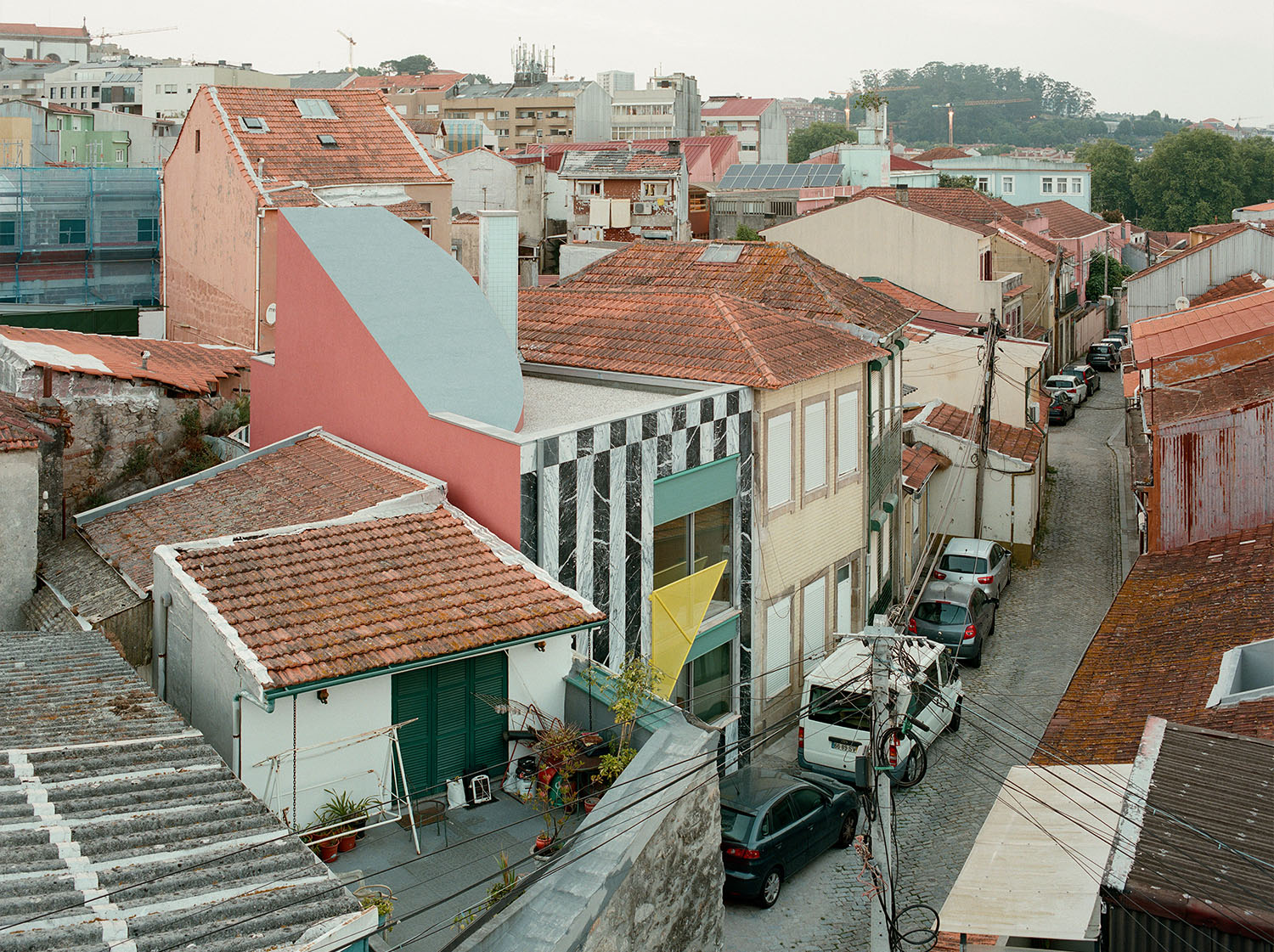
fala’s operational reality is inextricably linked to the tumultuous economic restructuring that followed the 2011 financial crisis and the Troika bailout. State policies instigated a massive and rapid injection of foreign capital, resulting in an aggressive property boom. Cities like Porto became canvases for hyper-accelerated real-estate speculation, transforming thousands of once-dilapidated structures, garages, small row houses, and apartments into quickly monetisable assets for short-term rental markets. This context does not singularly define fala’s early portfolio; their practice is an active participation in it. Working with tight budgets and pragmatic investors, whose primary goal was commercial return, fala seized these financial and programmatic constraints as a creative catalyst. They mastered the art of being inventive within the spatial rigidity of existing, often banal buildings, imposing a legible, graphic order onto this ‘desperate confusion’ of cheap, fast renovation. Rather than discussing these buildings in isolation, and aligning with Shinohara Kazuo’s approach, fala present them as models of how they believe architecture should respond to the modern world. (...)
_
1 ‘Escola do Porto’ refers to the loose architectural ‘school’ that formed around the Porto architecture faculty (FAUP) from the mid-twentieth century onward, with figures such as Fernando Távora, Álvaro Siza, and Eduardo Souto de Moura.