




SPACE June 2026 (No. 703)
Chuncheon is not a planned city built around large-scale industrial complexes like Ulsan or Changwon, nor is it a residential-focused new town like those found in the Seoul metropolitan area, such as Bundang or Ilsan. Instead, Chuncheon is a city that has evolved over the years through an interplay of administrative, military, tourism, and educational functions, resulting in a relatively low-density and landscape-oriented urban structure. Chuncheon’s mountains and water landscapes do not merely serve as a backdrop to the city; rather, they function as defining elements that shape the city’s form, modes of transportation, and the essential structure of its living zones. Instead of being densely compressed, the city’s skyline loosely unfolds along the mountain contours and water flows, and each of its residential areas have been dispersed in deference to these geographical features to adopt their own distinctive atmospheres. Because of these characteristics, Chuncheon is perceived not as a unicentric city but as a polycentric city, where diverse landscapes and programmes coexist.
Originally, Chuncheon was a rural town that was spontaneously formed around the river and basin. However, the situation changed dramatically after the opening of the Gyeongchun Line in 1939. The railway dismantled the existing town structure and introduced a new urban axis centred on the station, and this became the catalyst for the densification of commercial districts, administrative facilities, and accommodation and distribution functions in the station vicinities. Today, much of the street grid in Chuncheon’s old downtown can be traced back to this period’s expansion process. Subsequently, the construction of the Uiam Dam and the Soyanggang Dam in the 1960s and 1970s transformed the city once more. The river was changed into a vast lake system, and Chuncheon was reimagined as a city centred on waterfront tourism and leisure. However, after experiencing massive flooding incidents and isolation, an urban structure centred on bridges and ring roads was reinforced and residential areas were rearranged between the bodies of water and the mountains. The bridges and roads connecting the city became something more than mere infrastructure—they became key elements of Chuncheon’s urban experience, and people came to recognise the city through their movements between landscapes.
As a consequence of its history, Chuncheon resembles a collaborative script written by multiple authors over time. The city’s components are loosely juxtaposed rather than being secured together under a guiding and coherent logic. The old town fortress, modern infrastructure, military facilities, tourism infrastructure, and residential areas such as parks and apartment complexes are left in their superimposed states. Like many modern cities, Chuncheon is a city formed by the overlapping of infrastructure, programmes, and surplus spaces from different eras. These conditions create unexplained gaps, boundary lines, and ambiguous marginal spaces which emerge throughout the city.
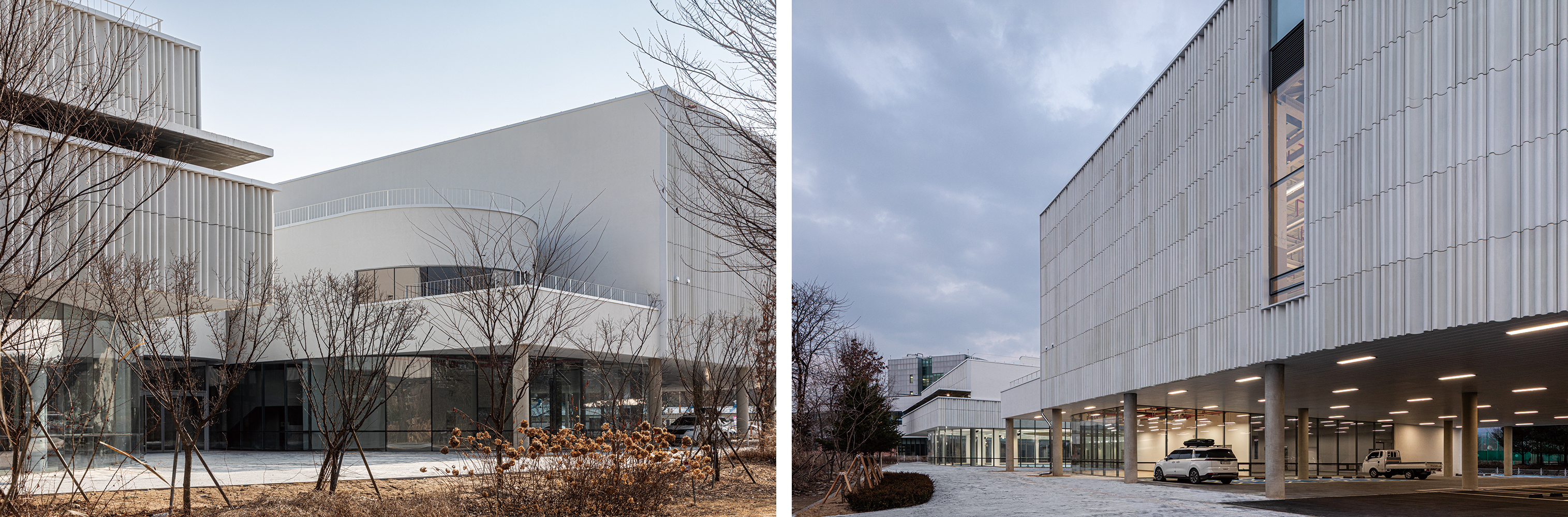
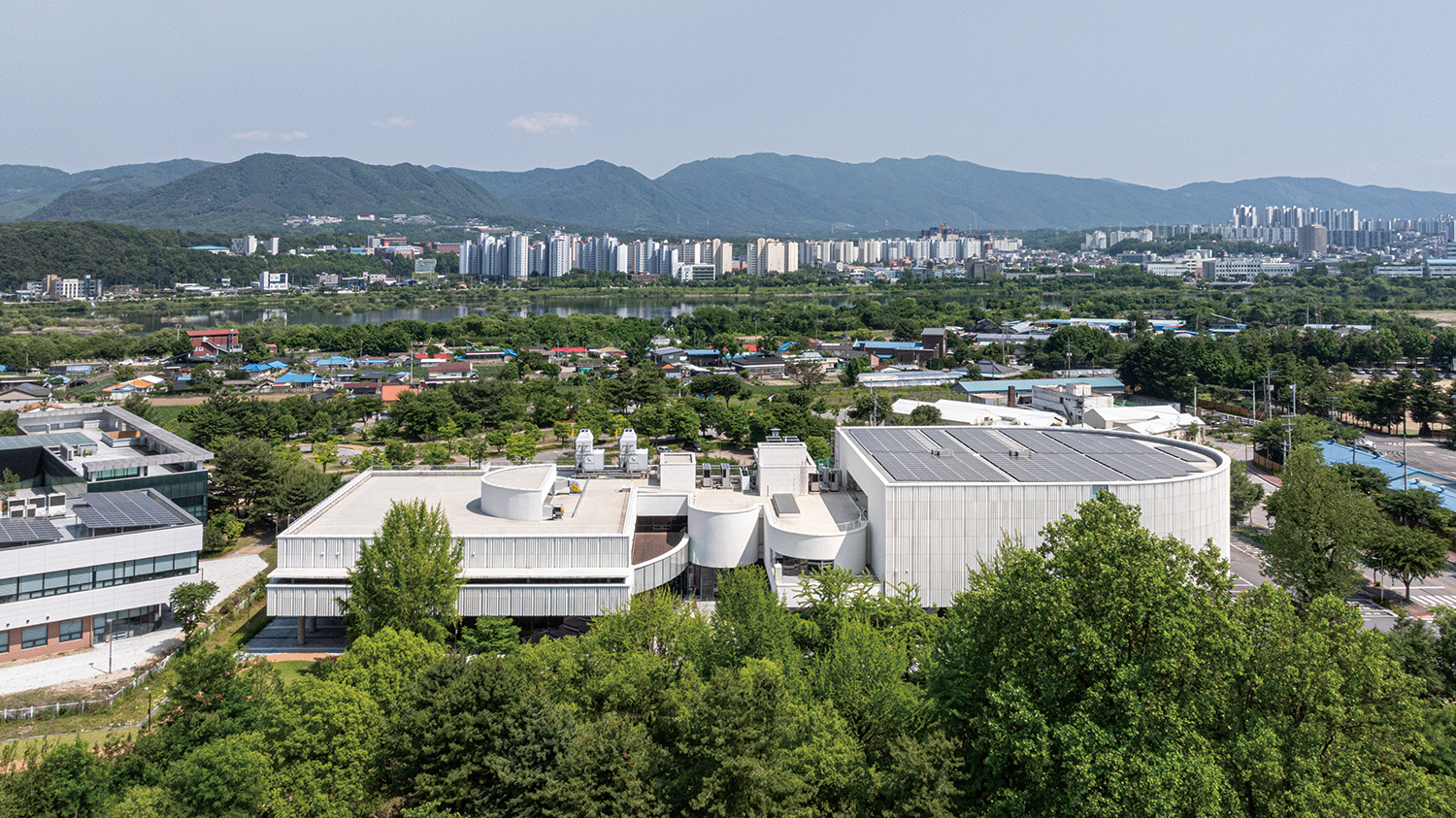
As if symbolically representing the story behind Chuncheon’s urban growth, the site of the Bandabi Public Sports Center is located within a surplus space surrounded by public facilities. Sandwiched between the Gangwon Do Rehabilitation Hospital, Chuncheon Bukbu Senior Welfare Center, Soyang Elementary School, and a park, this site takes the form of a wedge stretching north to south with only its short southern side bordering the front road. While the spatial conditions may seem somewhat inefficient and awkward, and incapable of accommodating two large-scale programmes (a gymnasium and a swimming pool) simultaneously, the design proposal embraced its irregularity as an important clue to the architectural layout. Rather than erecting a single, independent mass as in most sports facilities, the design sought to organise the architecture in a way that actively accommodates the flow of the elongated site and its relationship with the surrounding park.
By arranging the gymnasium and swimming pool in parallel along a north-south axis, with a communal space inserted between them, the plan allows the flow of the long, continuous park to extend into the site itself. In particular, the pedestrian area formed on the west side is designed not merely as an external passageway but as an open space that functions as an extension of the park. The way users are drawn to move slowly through the spaces between the buildings and pass through the main common areas, terraces, green spaces, and spaces under the eaves lends the circulation paths within this sports facility the feel of a walking trail. Also, while securing the public façade facing the southern road, the design separates vehicle and pedestrian access systems and organises the exterior space so that the flow of greenery from the western park may naturally extend to the remaining northern site. Consequently, the openness of the existing park and the city’s pedestrian flow seep into the site’s interior, and the building functions as a loose frame mediating its programmes with the surrounding landscape. The building’s boundaries also allow for a gradual connection between the park and interior through terraces, courtyards, and outdoor decks.
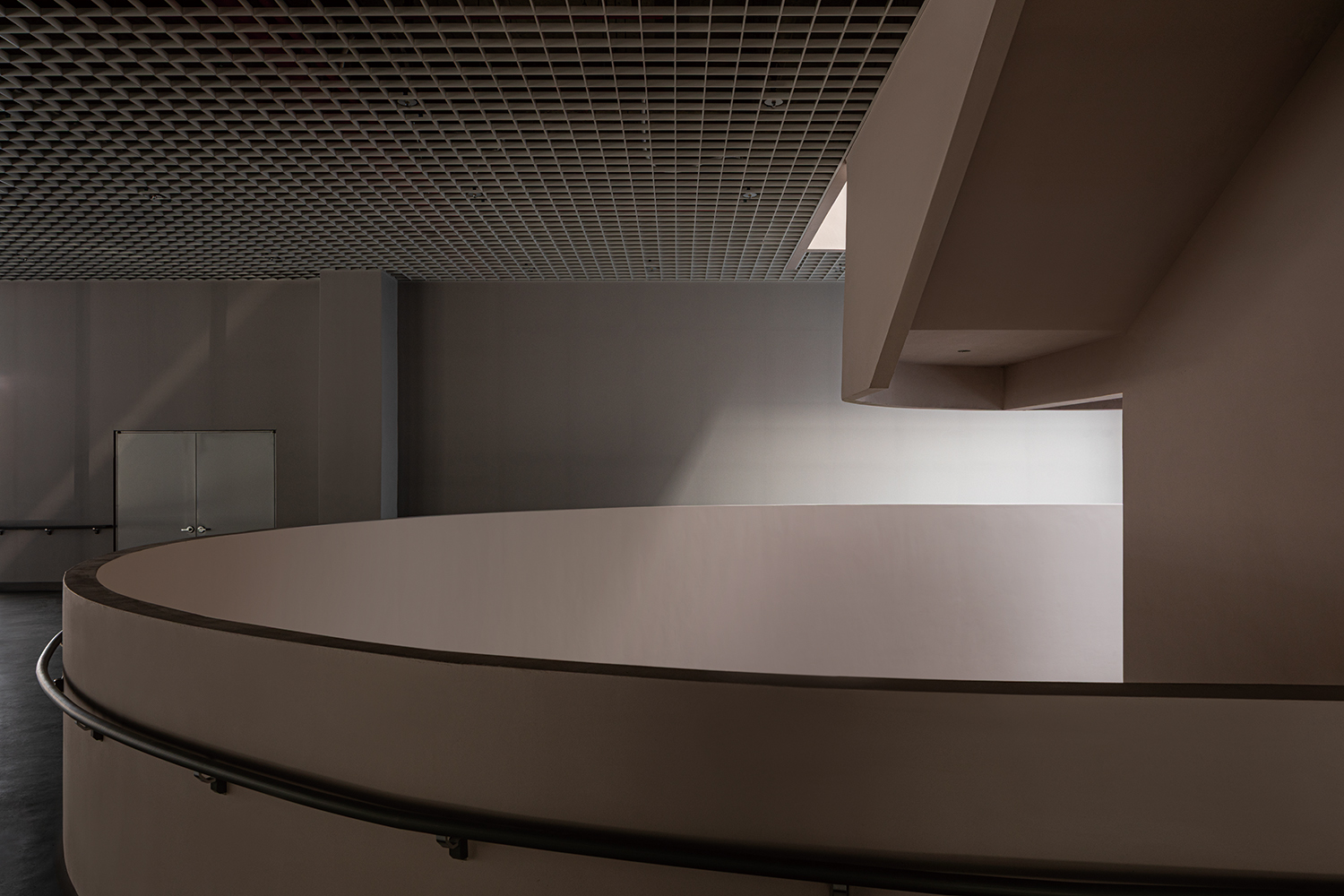
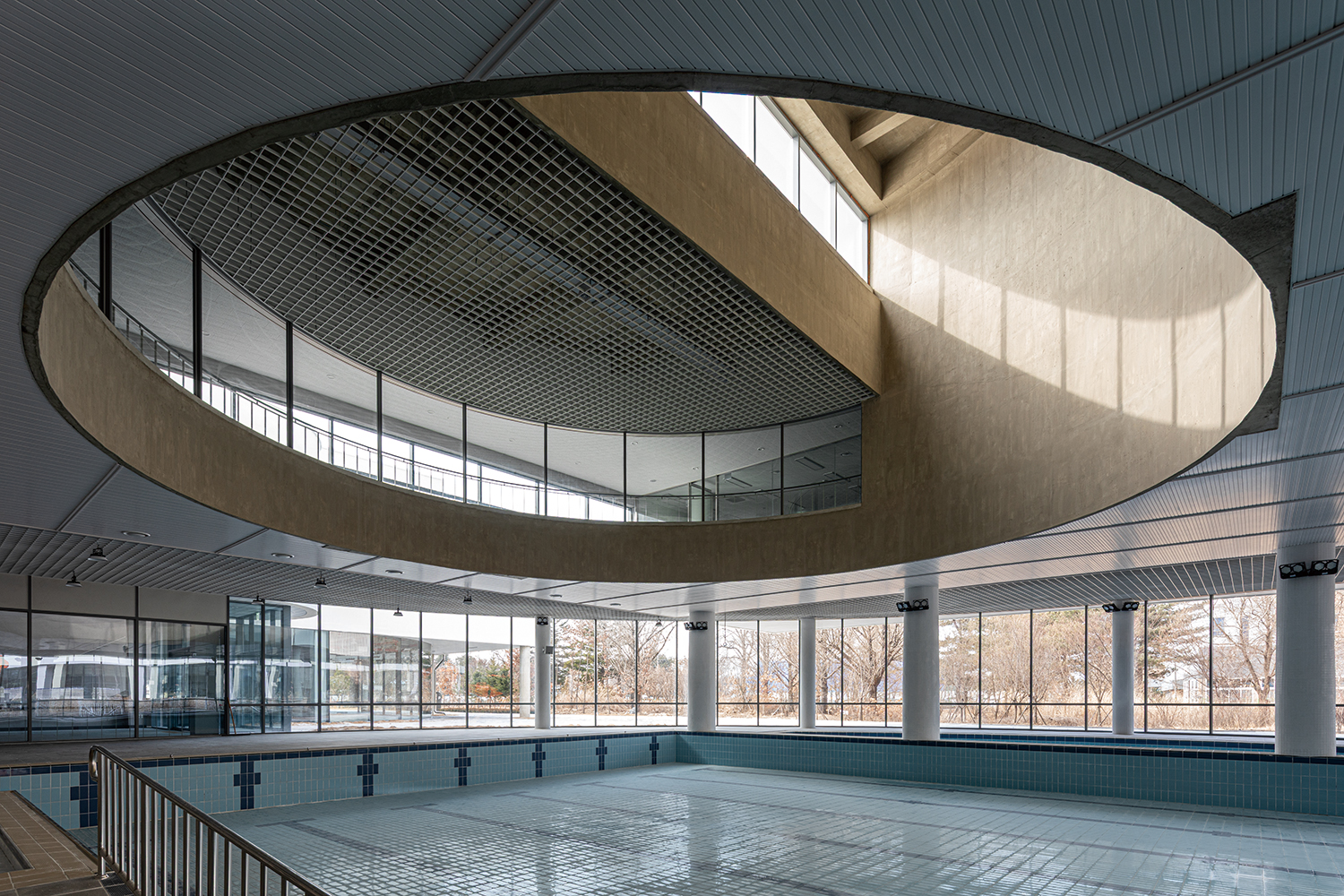
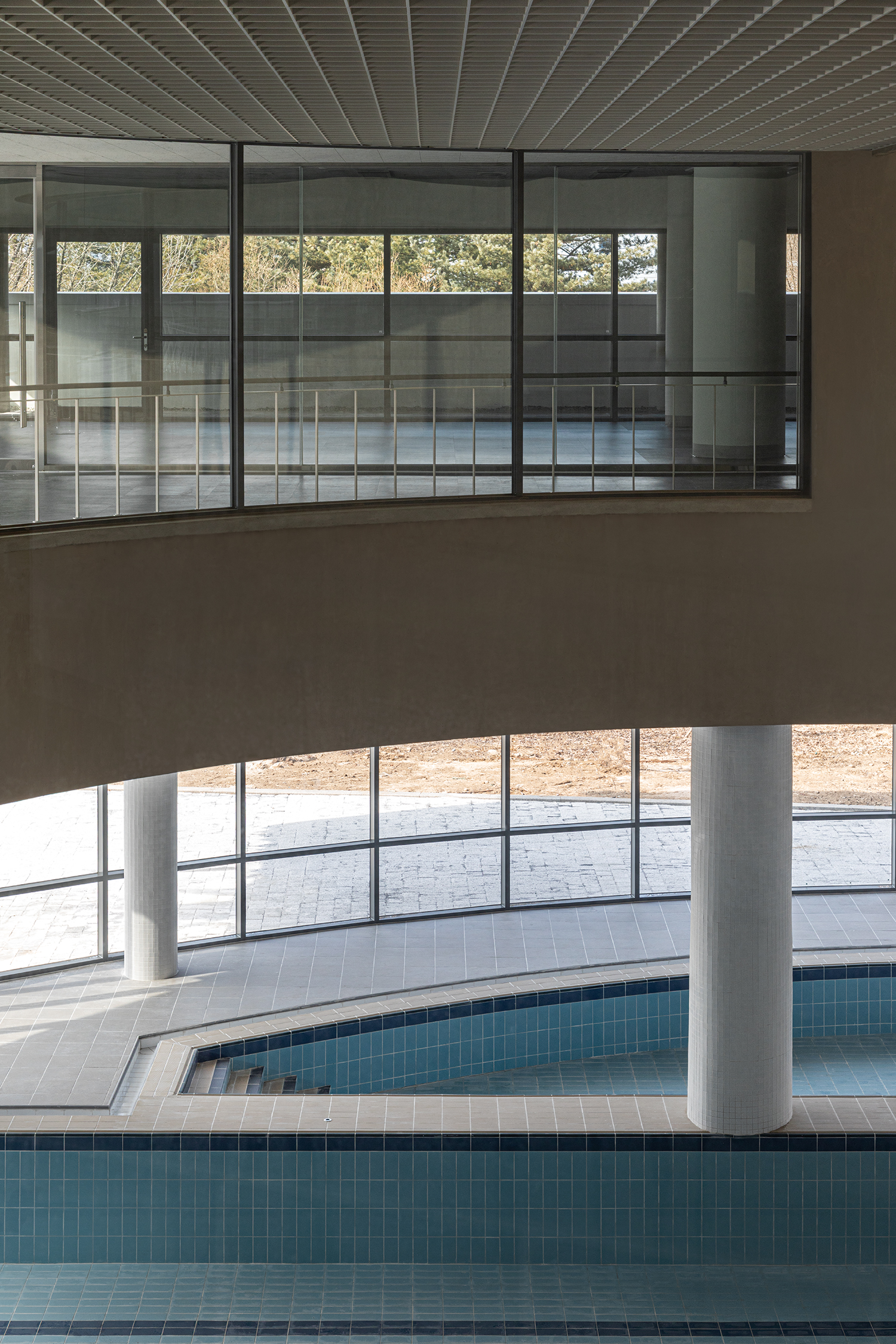
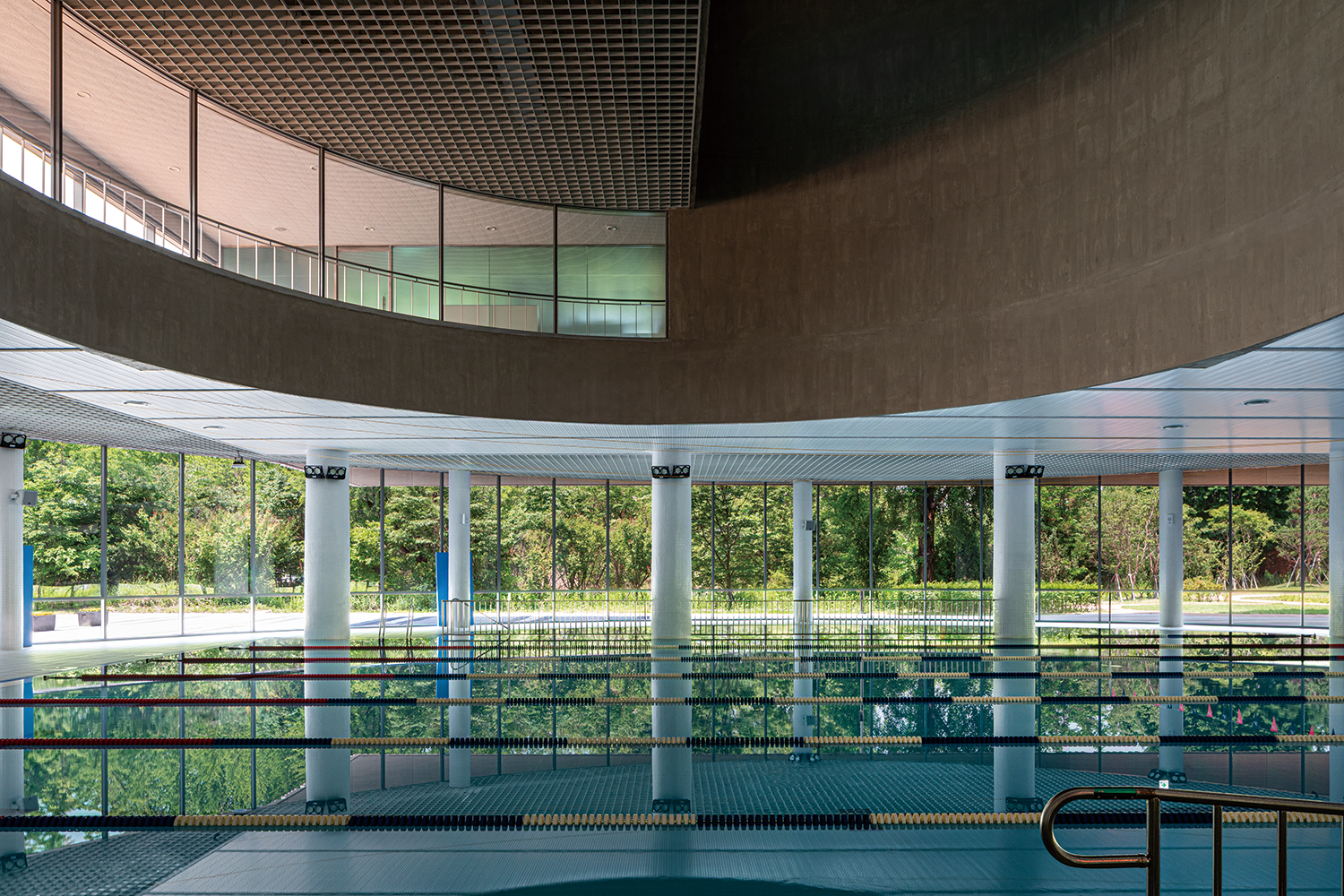
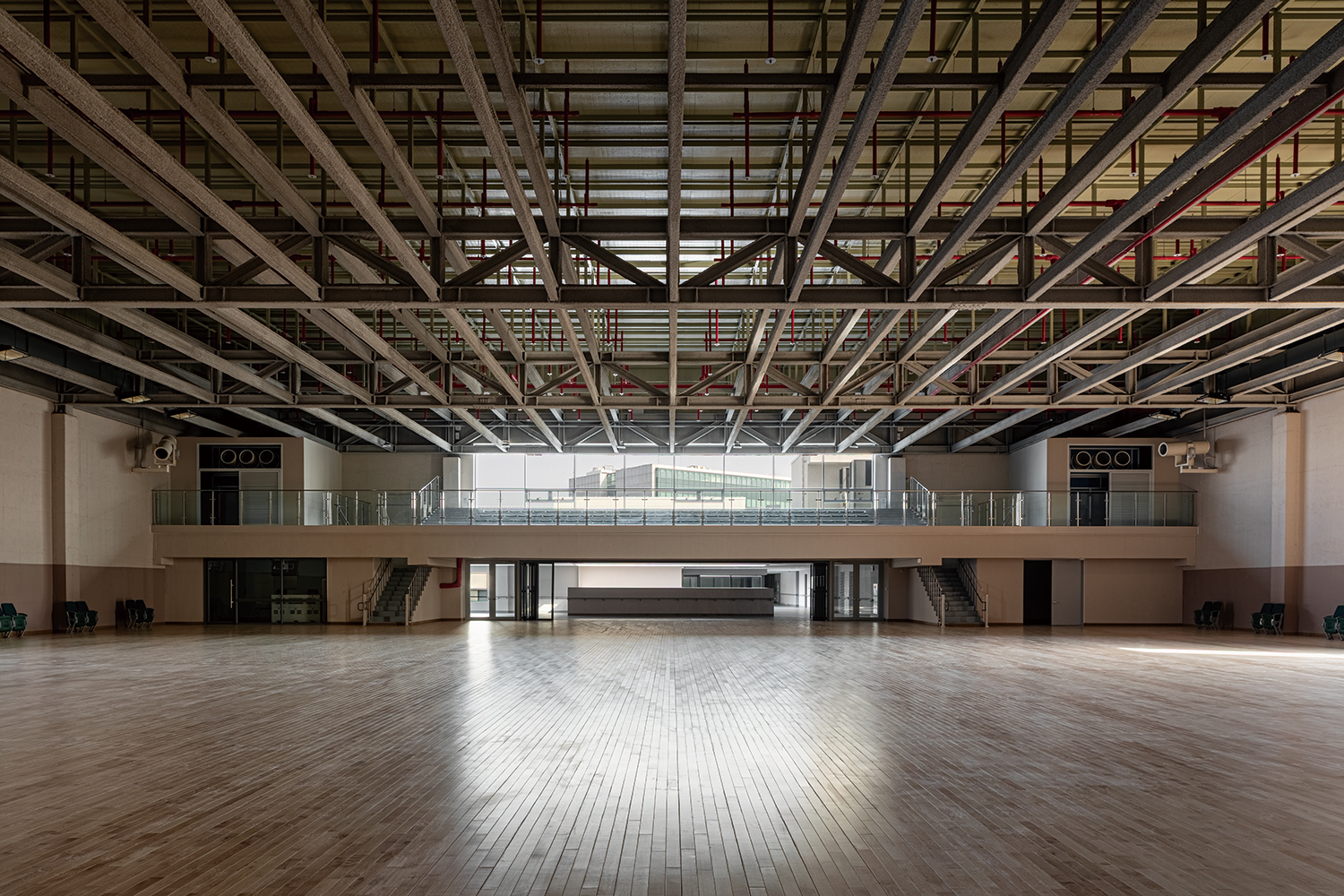
The programme layout also reflects similar extended relationships. The swimming pool and gymnasium, which occupy the largest volumes, are respectively located on the first and second floors while related programme – such as the exercise prescription room, fitness centre, studio rooms, cultural centre, and childcare facilities – are integrated three-dimensionally above and below them. Rather than staying as a collection of individual rooms, the different programmes are designed to form two loosely connected vertical clusters at the cross-section, allowing users to experience space through diverse perspectives and movements along terraces, courtyards, staircases, and lounges. The eaves, outdoor decks, and multi-level terraces surrounding the main space allow the park’s greenery to intermingle with interior programmes, fostering an environment where exercise, rest, view-taking, and stopovers can occur simultaneously. The use of the outdoor spaces also changes with the time of day and the seasons, causing the architecture to function less like a monofunctional sports facility and more like a miniature urban landscape.
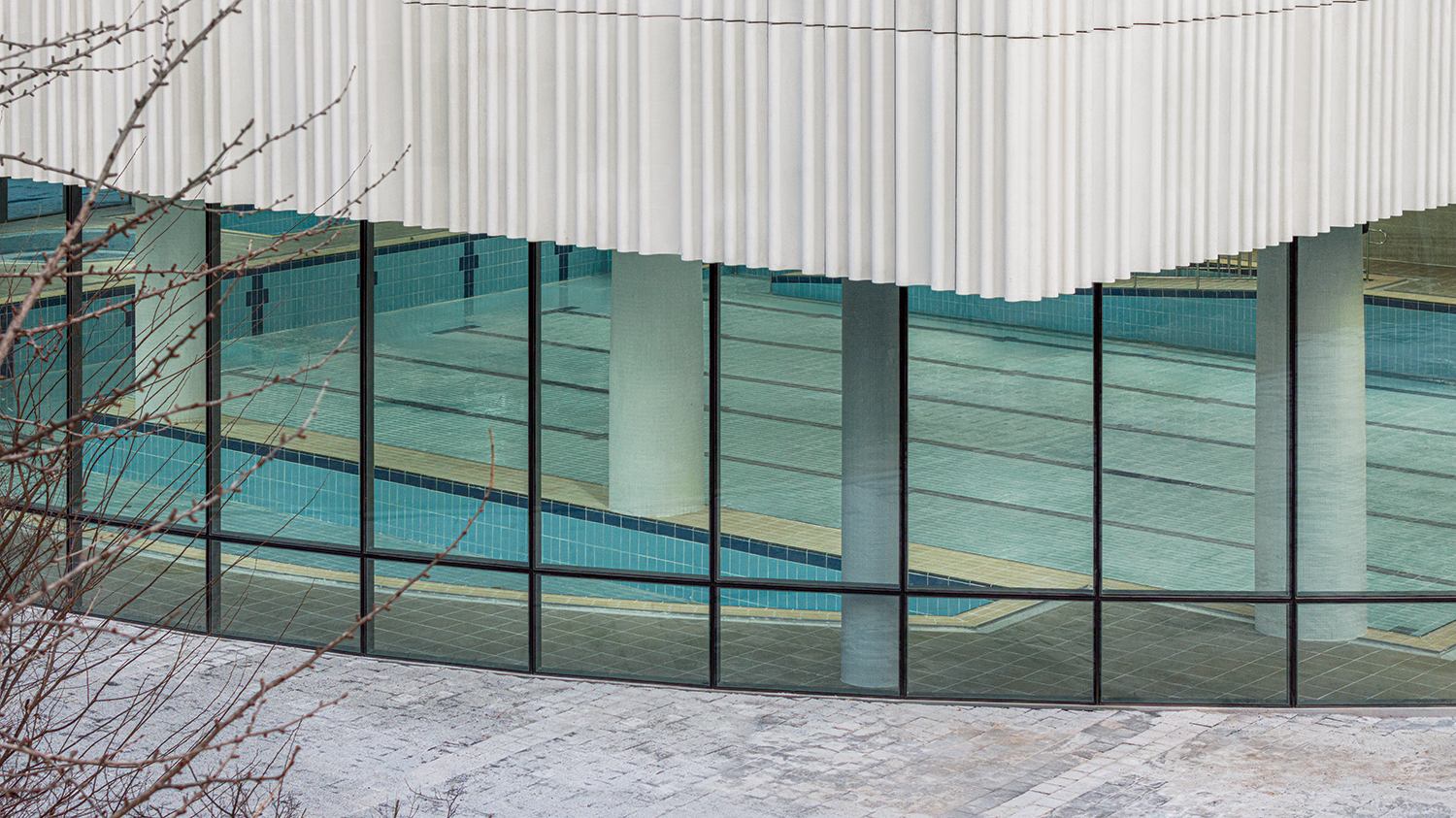
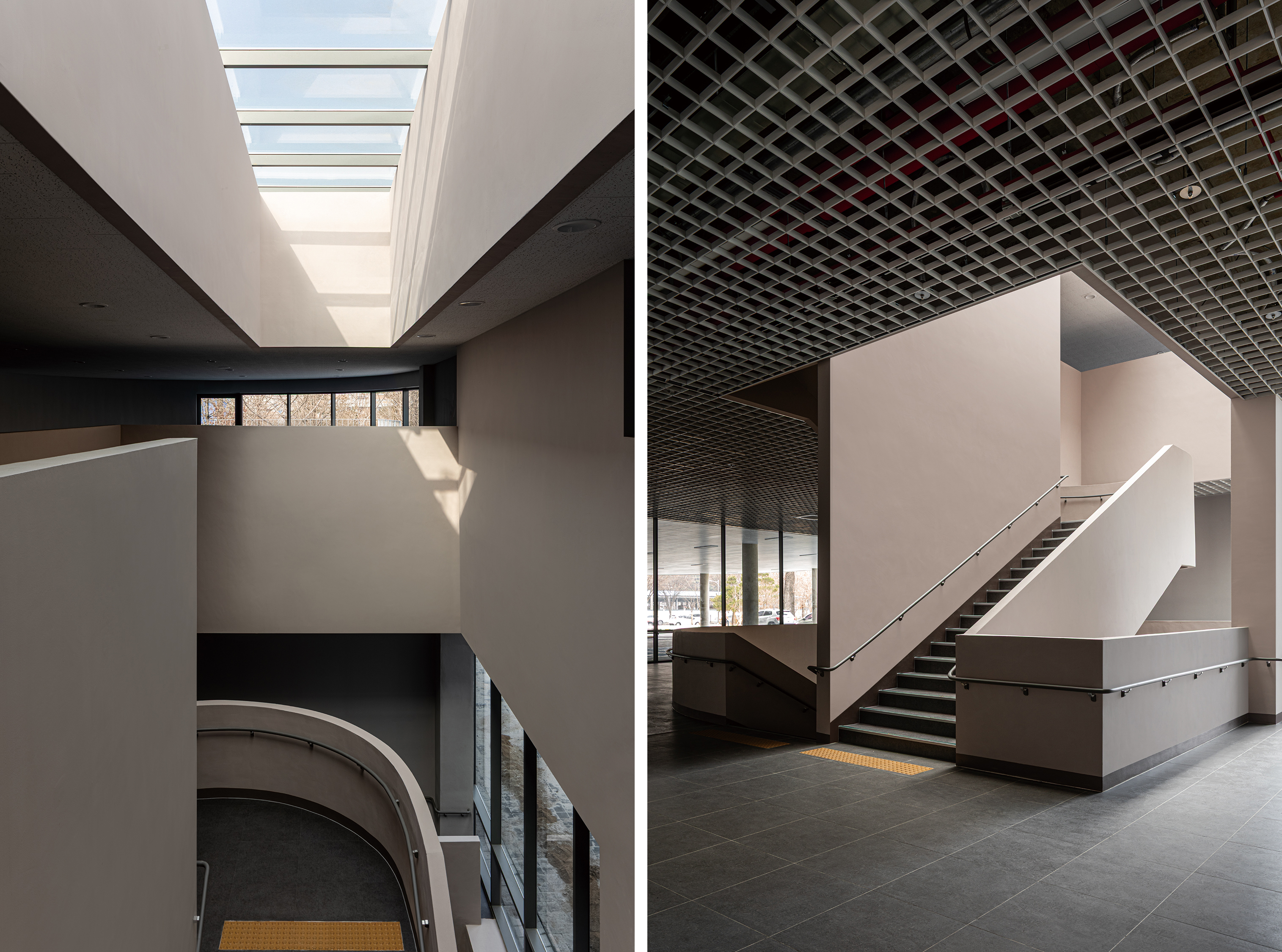
This spatial configuration does not merely prioritise functional efficiency but also reflects the kind of publicness that the Bandabi Public Sports Center pursues. Instead of accommodating people with and without disabilities in respectively different ways, this project was initiated with the idea of creating a space where different physical bodies, senses, and speeds of movement can naturally intersect. Consequently, rather than focusing on efficient practice of certain functions, this architecture seeks foremost to establish an environment where the city and the park, the interior and exterior, and exercise and rest can flexibly cross and merge. Instead of being led along a single predetermined route, users are given the freedom to experience the building and pass through courtyards, terraces, and common spaces at their own pace, in their own way. Different movements, perspectives, and ways of staying coexist within a single landscape with the architecture serving as the backdrop that unites them.
Ultimately, the Bandabi Public Sports Center exists not as a self-contained object but as a loose framework that reweaves the disconnected and surplus spaces, landscapes, and infrastructure that Chuncheon has accumulated over time. It is an architectural device that not only connects surrounding public facilities and green spaces, different bodies and movements, and city and nature to create new urban scenes but also constructs a sense of public spatiality within the topography of surplus and interstitial spaces.
Kang Yerin (Seoul National University) + SoA (Lee Chihoon, Park Youngseo)
Jang Wooseok, Kim Jungmin, Park Yeon
15, Uduhari-gil, Chuncheon-si, Gangwon-do, Korea
sports facility
8,175m²
3,482.66m²
7,118.01m²
B1, 2F
71
16.35m
42.6%
60.86%
RC, SRC, steel truss
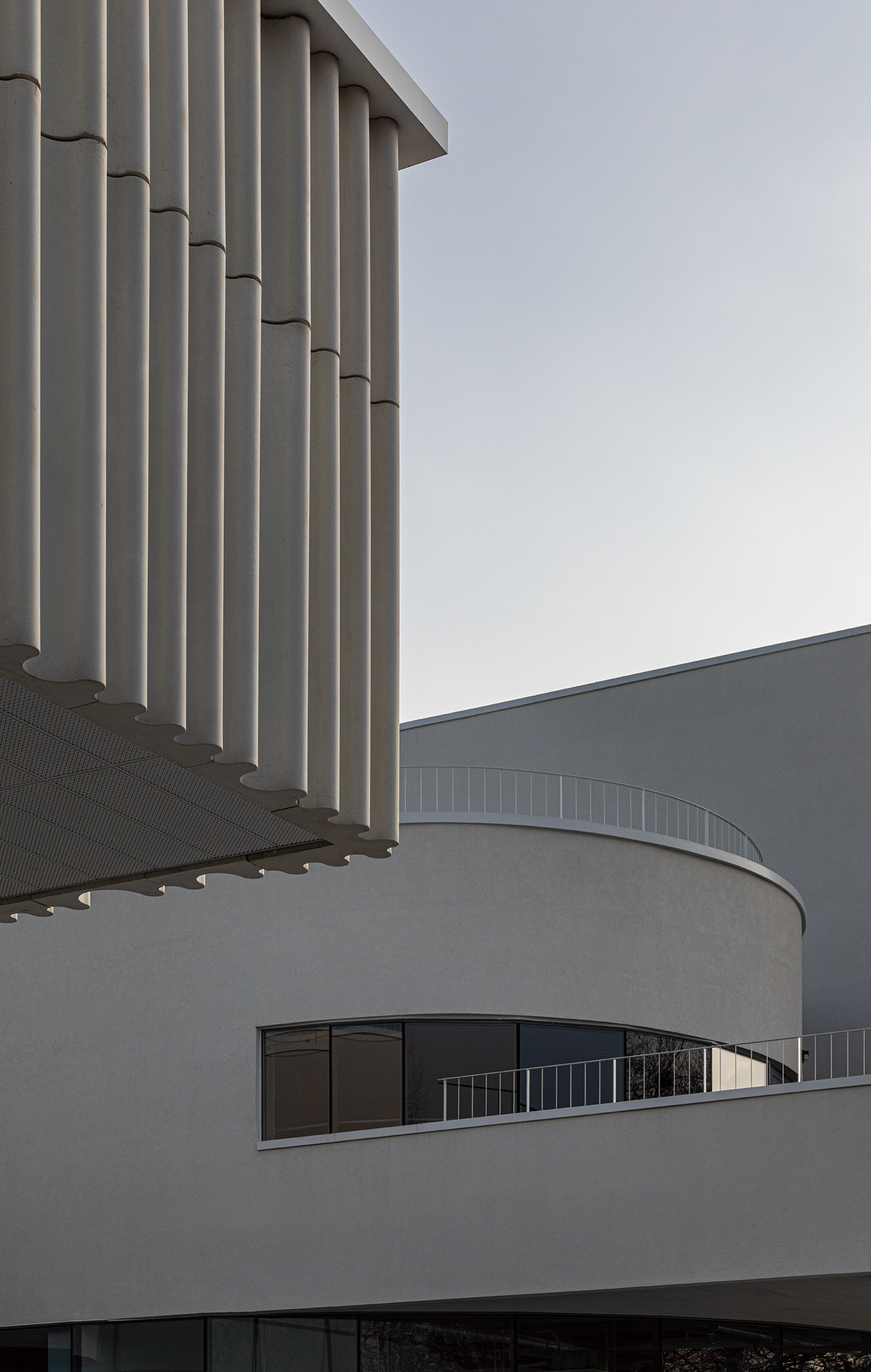
UHPC panel, exterior insulation render
ceramic tile, paint finish
Base Structural Consultants
Joosung MEC
Chung Song Engineering & Construction
Hanul Enterprise Co., Ltd.
May 2020 – Nov. 2021
Mar. 2022 – Dec. 2023
22.2 billion KRW
Chuncheon City
Lab D+H