
SPACE May 2026 (No. 702)
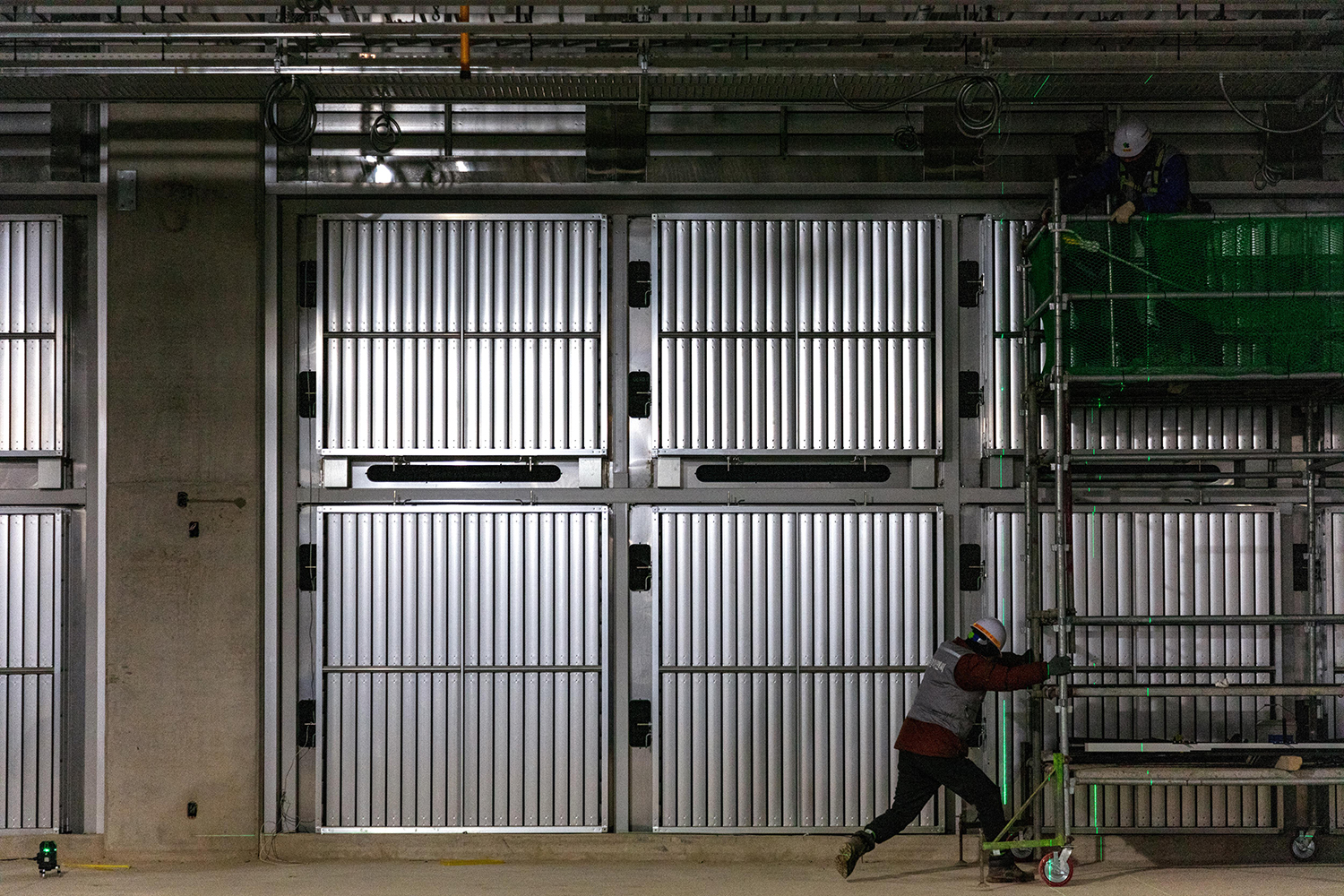
Interior of the Server Building during the construction of the NAVER Data Center GAK ©Jang Mi
DIALOGUE Lee Myungjin CEO, Advanced Design Division, Junglim Architecture, Ki Hyunchul Design Part Leader of SU (Strategy Unit), Design Division, Junglim Architecture, Park Jaewan Leader of JDI (Junglim Design Innovation) BU (Business Unit), Design Division, Junglim Architecture, Ahn Jeongtaek Leader of BIG Tech BU, Advanced Design Division, Junglim Architecture, Rhee Ho Director of Mobility BU, Advanced Design Division, Junglim Architecture × Kim Jeoungeun Editor-in-Chief, SPACE, Bang Yukyung Editor, SPACE
SPACE: This discussion will review the projects undertaken over the past decade by Junglim Architecture, one of South Korea’s leading large-scale architectural firms, through the lens of ‘sustainability’. You previously introduced your work under the title ‘Junglim for Tomorrow’s Earth’ through a series of exhibitions and lectures. Can you explain the background behind your focus on this theme?
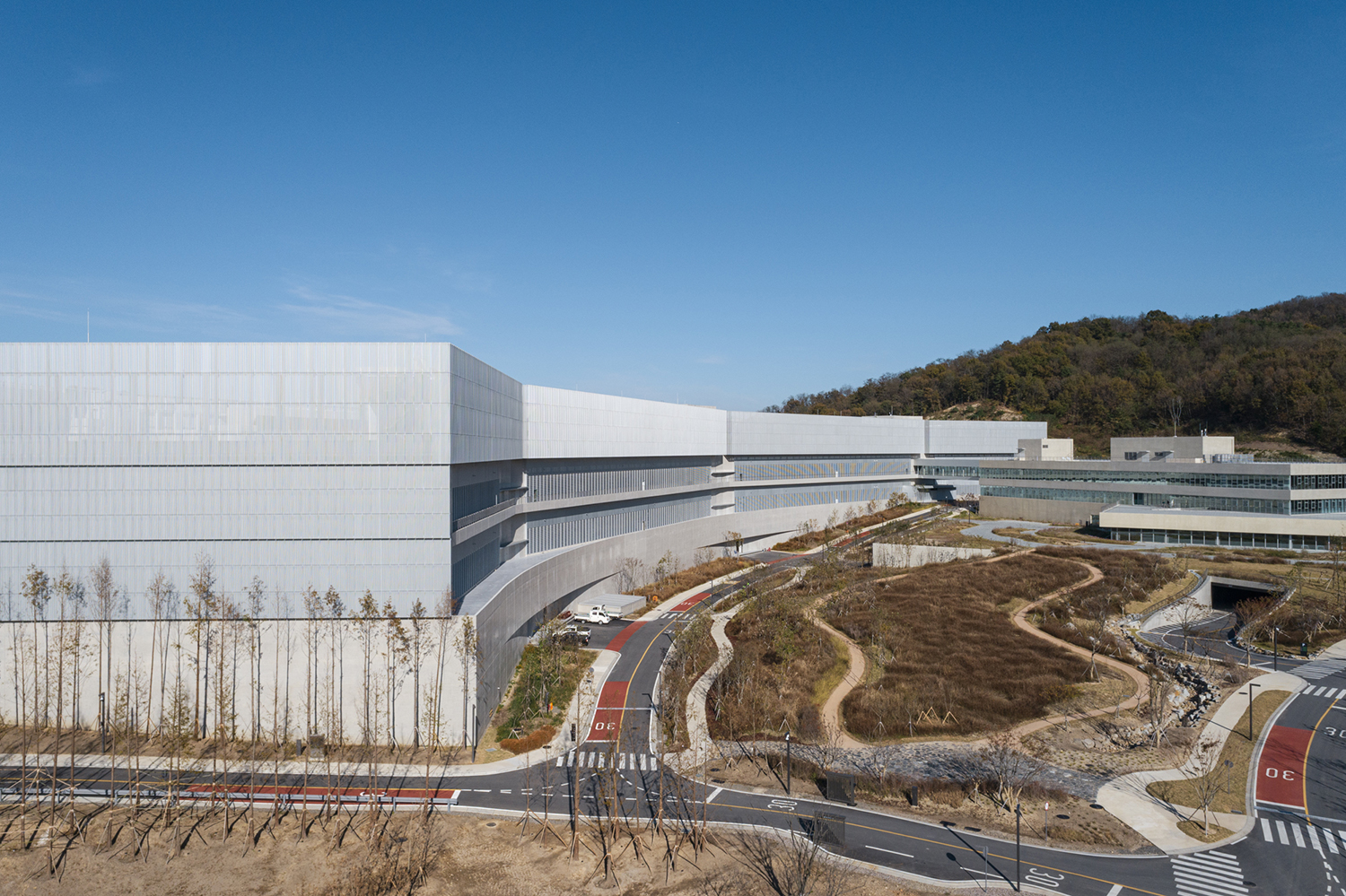
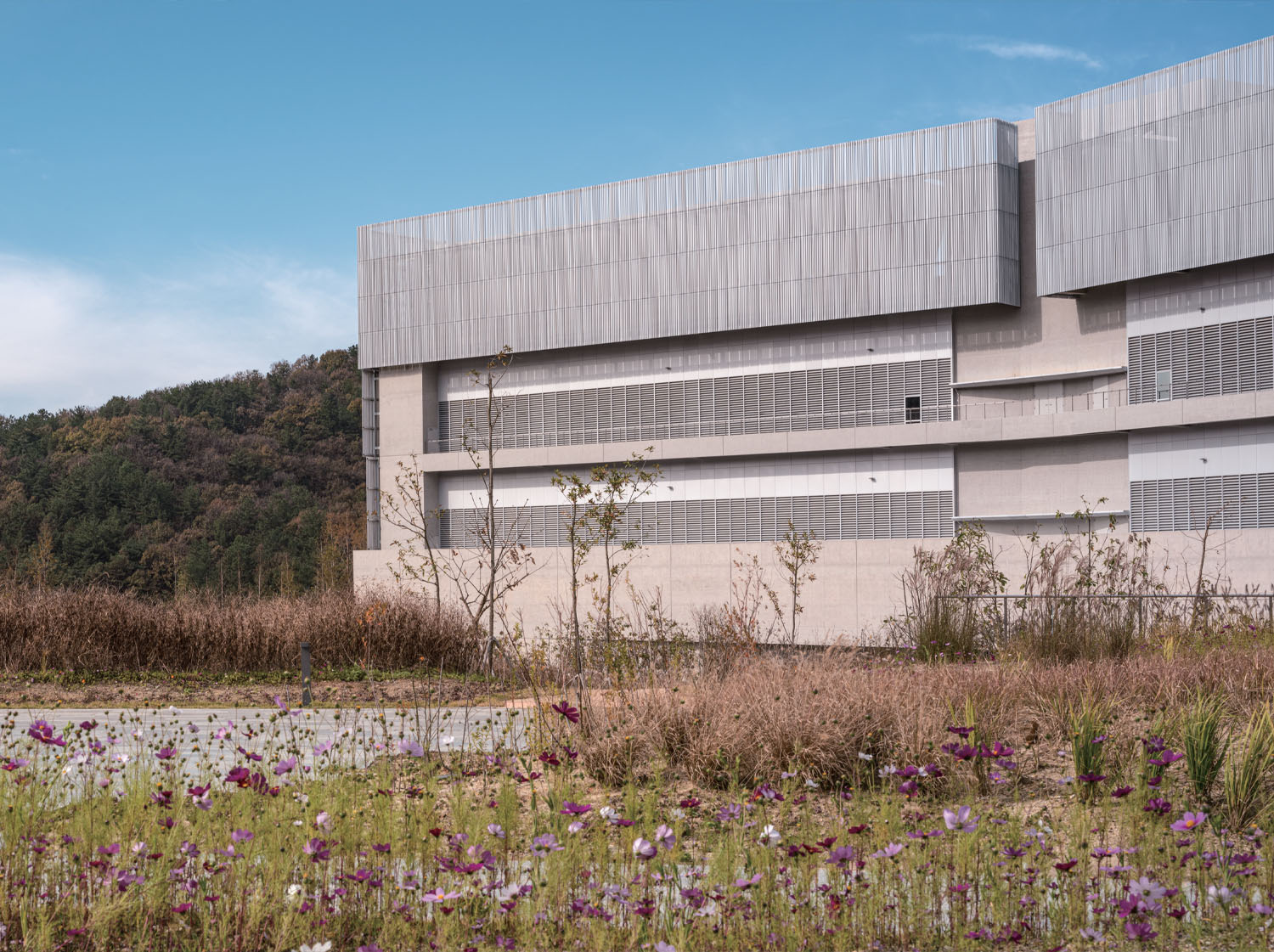
Views of NAVER Data Center GAK Sejong ©Jang Mi
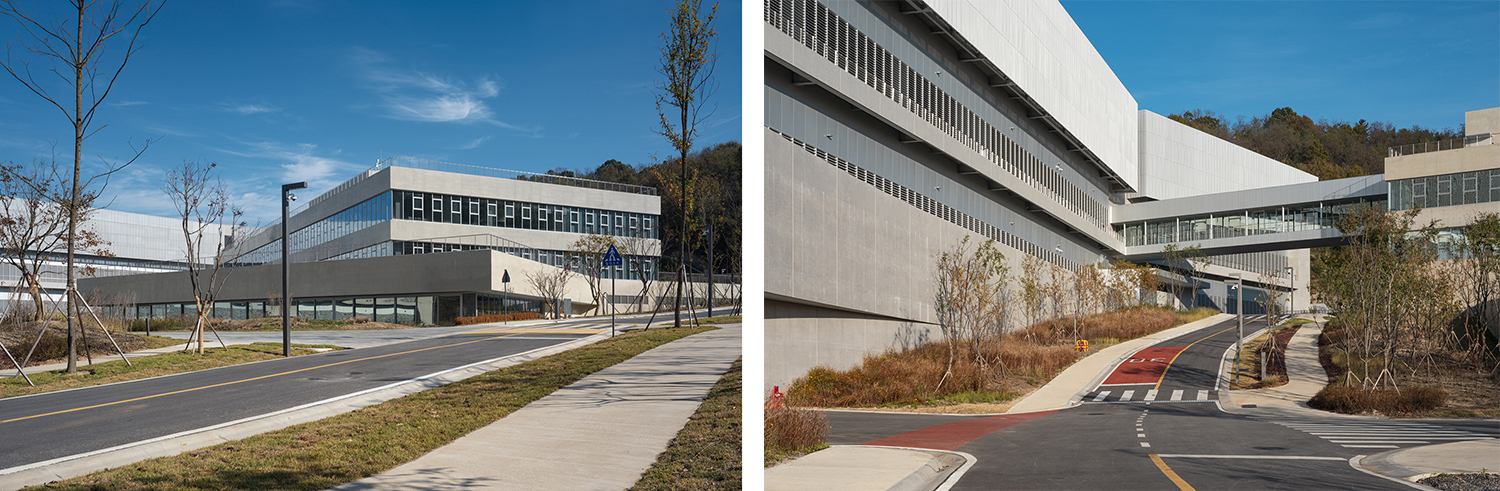
Views of NAVER Data Center GAK Sejong Operations Building (Left), access road and bridge connecting the Server Building and the Operations Building(Right) ©Jang Mi
Energy Performance: NAVER Data Center GAK Sejong
SPACE: It would be helpful to examine the projects according to the ‘9 Solutions for Sustainability’ defined by Junglim Architecture. First, the data centre, a new architectural typology that emerged in the digital age, has become a recent topic of interest. NAVER Data Center GAK Sejong (hereinafter GAK Sejong) was cited as an example of Energy Performance (minimising energy consumption). Specifically, what construction methods and technologies were introduced?Ahn Jeongtaek (Ahn): Junglim completed the 1st Stage including the masterplan and Phase 1 (Server Building & Operation Building) of GAK Sejong in 2023, and it was featured in SPACE magazine in December of the same year. At that time, we focused heavily on how to preserve the existing natural ecosystem through the overall masterplan and layout, how to reduce energy consumption through façade design and HVAC systems, and how spatial programming could respond to both human and robotic occupants. Notably, for the server rooms where energy consumption is concentrated, we applied a system developed by NAVER Corporation called NAMU, which cools the heat generated by the servers using outside wind instead of air conditioners. The warm air exhausted from the server rooms was then repurposed for hot water and heating, thereby enhancing energy efficiency.
SPACE: You are currently working on the 2nd Stage (Phase 2 & 3). What changes to your plans have occurred in the meantime?
Ahn: Unlike conventional buildings, it is rare for all server rooms in a data centre to be fully operational upon completion. Following the installation of major internal mechanical, electrical, and telecommunications equipment, servers are deployed in stages; hence, it is common for only a fraction of the total capacity to be operational during the initial phase. Similarly, when GAK Sejong was completed, servers were deployed in only about one-third of the total server room space. However, since the emergence of ChatGPT, Artificial Intelligence (AI) has rapidly risen as a core technology in the Information and Communication Technology (ICT) industry, propelling the data center industry into an expansion phase much faster than anticipated. To address these changes, NAVER Corporation requested the 2nd Stage design to reconfigure the remaining two-thirds of the server space to accommodate AI infrastructure. The most significant difference we experienced in the second and third phases of the project stems from the question: ‘How should architecture respond to the rapid pace of technological advancement?’ Even though it is a fit-out construction within a completed building, the technological environment has changed significantly in the interim. A data centre’s performance is determined by server rack density. In just a few years, server power density has increased two to three times compared to that of the past, and to handle the heat load generated by high-density servers, a major shift from traditional air cooling to liquid cooling was necessary. This is a situation where technological advancement is not merely replacing equipment but directly impacting architectural and mechanical planning. Compared to other recent data centre projects, the standard floor height for server rooms has changed from 6m to over 8m in just a few years, and standard specifications such as corridor widths and equipment delivery hatch sizes are also increasing. As such, the most difficult aspect of data centre design is the time gap between technology and design. The speed of ICT advancement far outpaces the speed of physical architectural construction. Therefore, whenever we undertake initial data centre planning, we constantly grapple with the question: ‘Based on the technology at a given point in time, how do we set the server density and cooling methods?’ Rather than committing to a final design tailored to a specific technology, securing the flexibility and adaptability to absorb the pressure of technological change is crucial to data centre architecture.
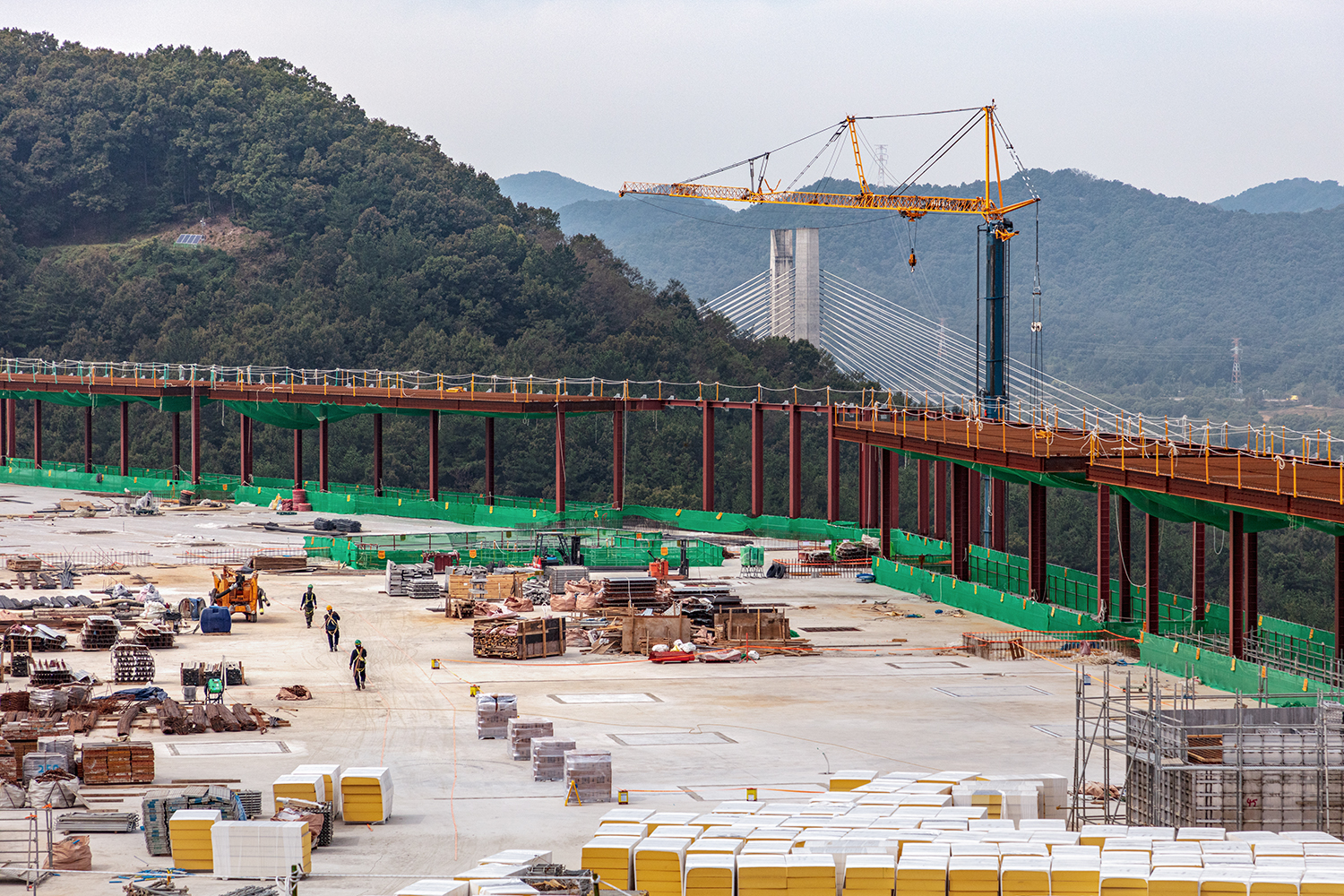
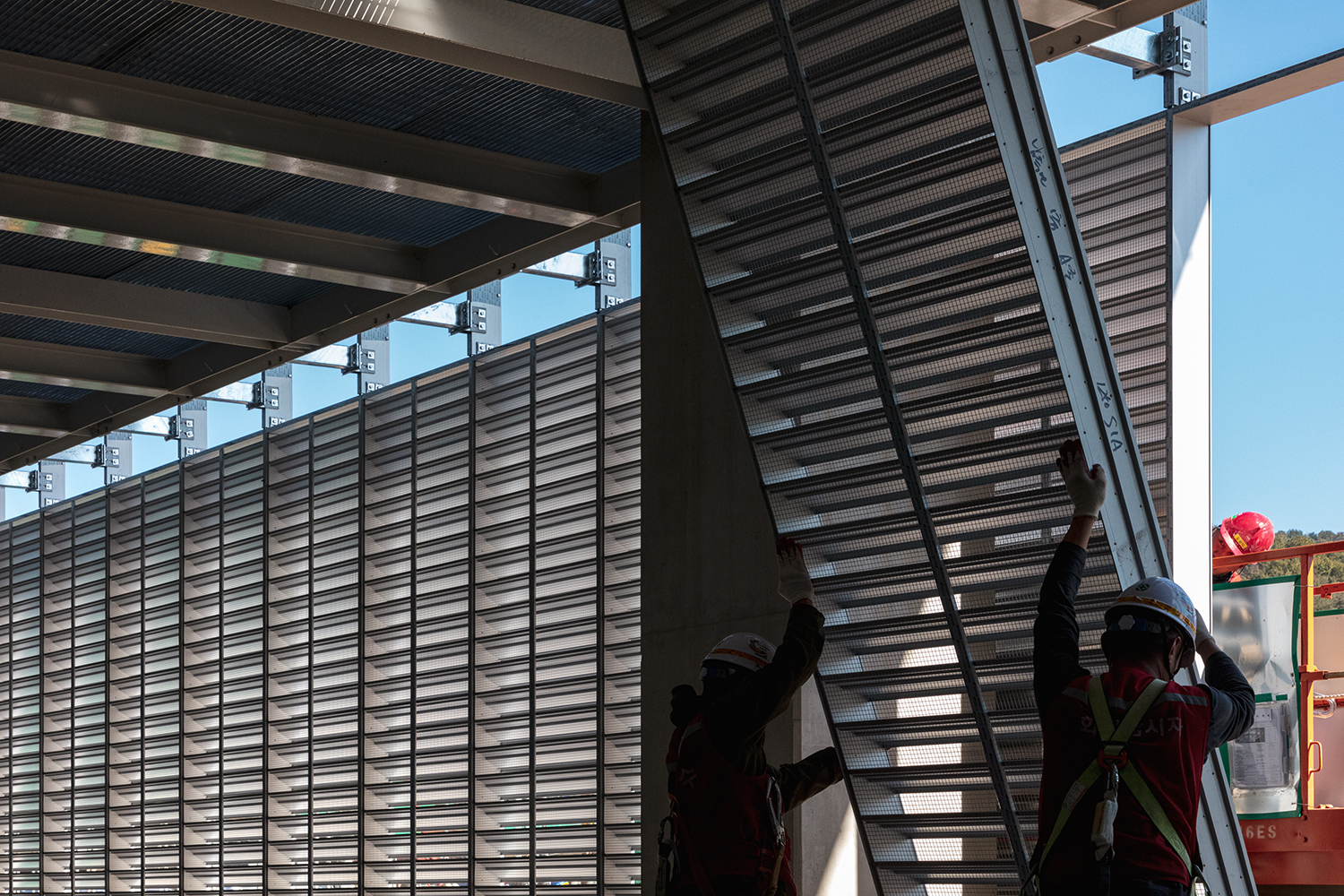
Server Building during the construction of the NAVER Data Center GAK Sejong ©Jang Mi
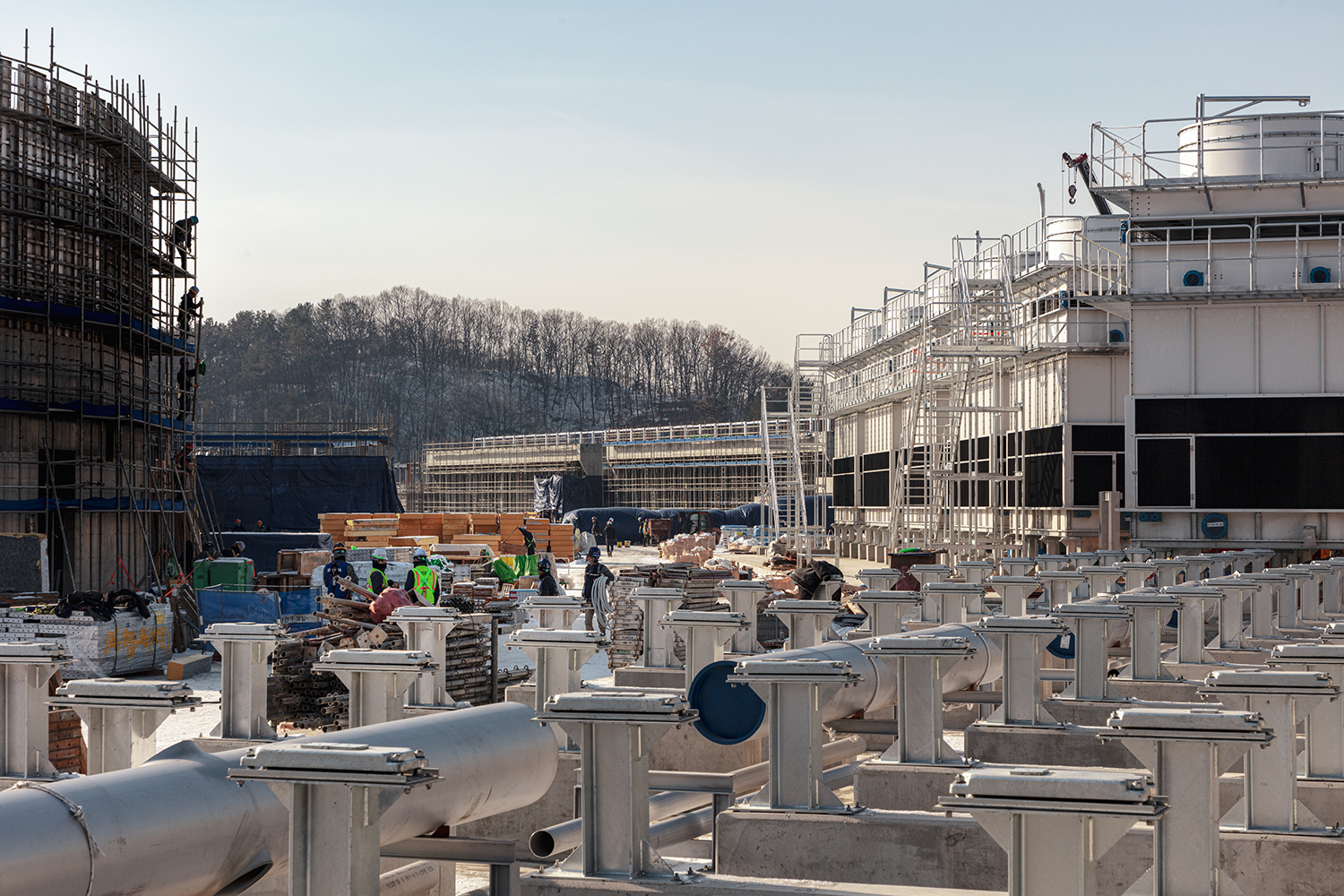
the Server Building’s rooftop during the construction of the NAVER Data Center GAK Sejong ©Jang Mi
SPACE: Observing recent trends, the very concept of the data centre is changing and its types are diversifying. What changes are occurring in terms of energy consumption, scale, and location?
Ahn: The power grid, which is the core of energy consumption, is divided into prime grids and microgrids. A prime grid is a centralised power grid, like Korea Electric Power Corporation (KEPCO), that supplies power from a power plant to a city. A microgrid is a small-scale power grid that produces, stores, and consumes power independently within a specific area; because it can operate independently, it can respond to emergency situations where the prime grid supply is cut off. In Korea, there is a strong perception that data centres ‘consume a lot of electricity’, so they are often considered NIMBY facilities and are pushed out of city centres to the outskirts. This is also entangled with the recently enacted Special Act on the Promotion of Distributed Energy (abbreviated as Distributed Energy Act). At present, rather than relying solely on the prime grid, data centres consistently use energy produced within the region or buildings on the site to stably operate microgrids in parallel. Driven by the New and Renewable Energy Act implemented in February this year, renewable energy is also being introduced. However, since the amount of power generated is insufficient compared to the demand required by data centres or industrial facilities, we are also considering options like gas turbine generators using city gas or fuel cells. In traditional data centres, the Power Usage Effectiveness (PUE) index, which indicates how efficiently energy is consumed to store and process information, was of great importance. However, as the role of the data centre evolves into the AI data centre, the concept is shifting from simple storage and information processing to ‘data generation’. Now, how efficiently (in terms of power, time, etc.) it generates many tokens (the smallest unit of language processed by an AI model) is becoming a critical standard. Recently, a viewpoint has even emerged critically framing AI data centres as ‘token factories’. AI data centres are categorised into two types based on their functions: training and inference. Put simply, the training type involves teaching a robot (repetitive calculation), while the inference type provides services (repetitive calling) based on an already trained model, like an AI automated response voice when making a reservation. Even if power is temporarily interrupted, training services are only delayed without functional issues. However, if inference functions used for emergency dispatch or autonomous driving are delayed or stopped, it leads to massive problems. Thus, redundancy equipment like emergency generators or battery systems is far more critical for the inference type than the training type. Because large-scale GPUs are required for the repetitive calculations of training or inference services, the term ‘GPU farming’ has emerged, likening it to GPUs operating in a field like agriculture. Moving further, a modular data centre typology is also emerging, where unit-modularised server racks are laid out across the ground while the building becomes increasingly detached. As this configuration expands toward an industrial plant typology, the boundary of how far architects can be involved in data centre design is becoming increasingly blurred.
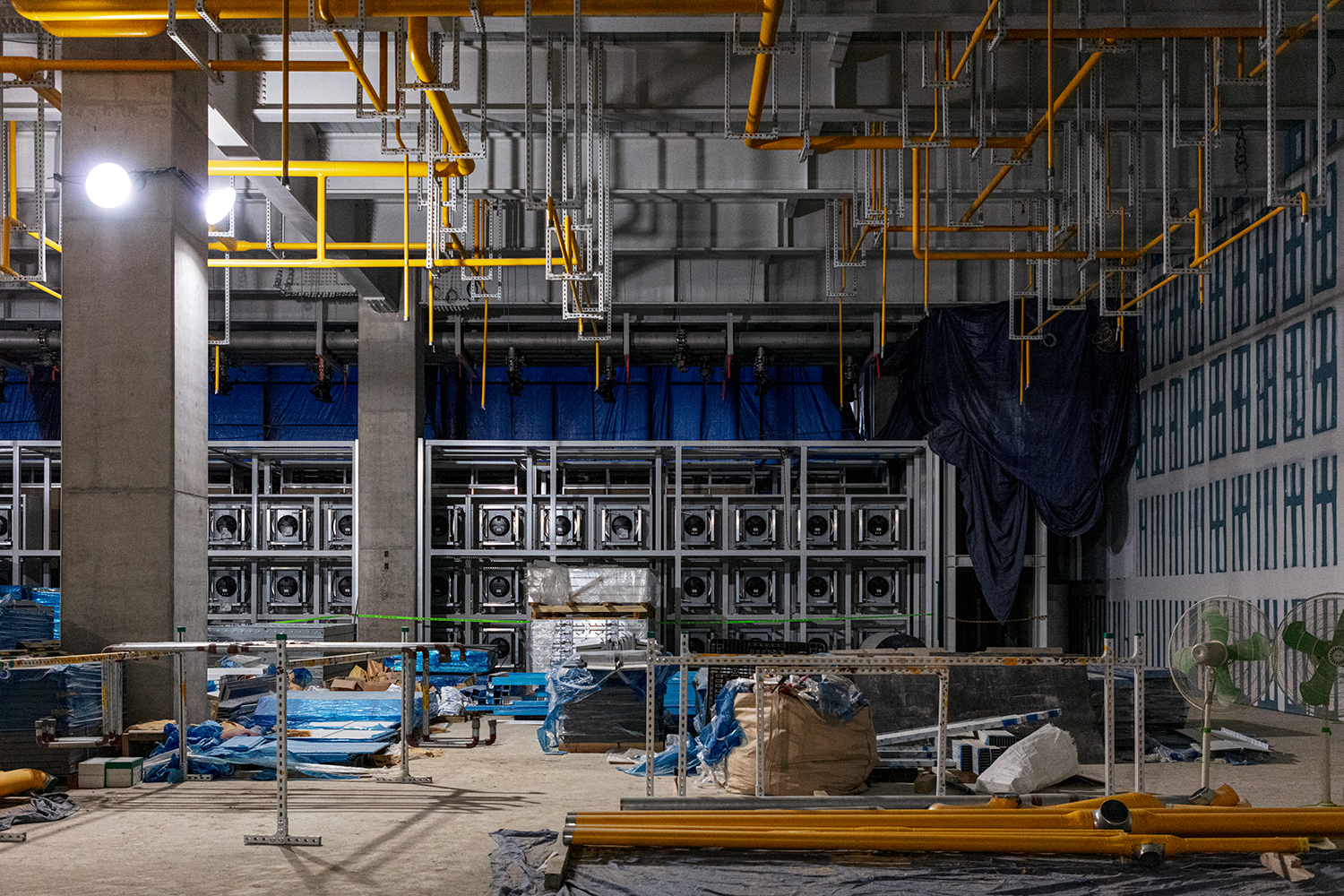
the Server Building’s interior during the construction of the NAVER Data Center GAK Sejong ©Jang Mi
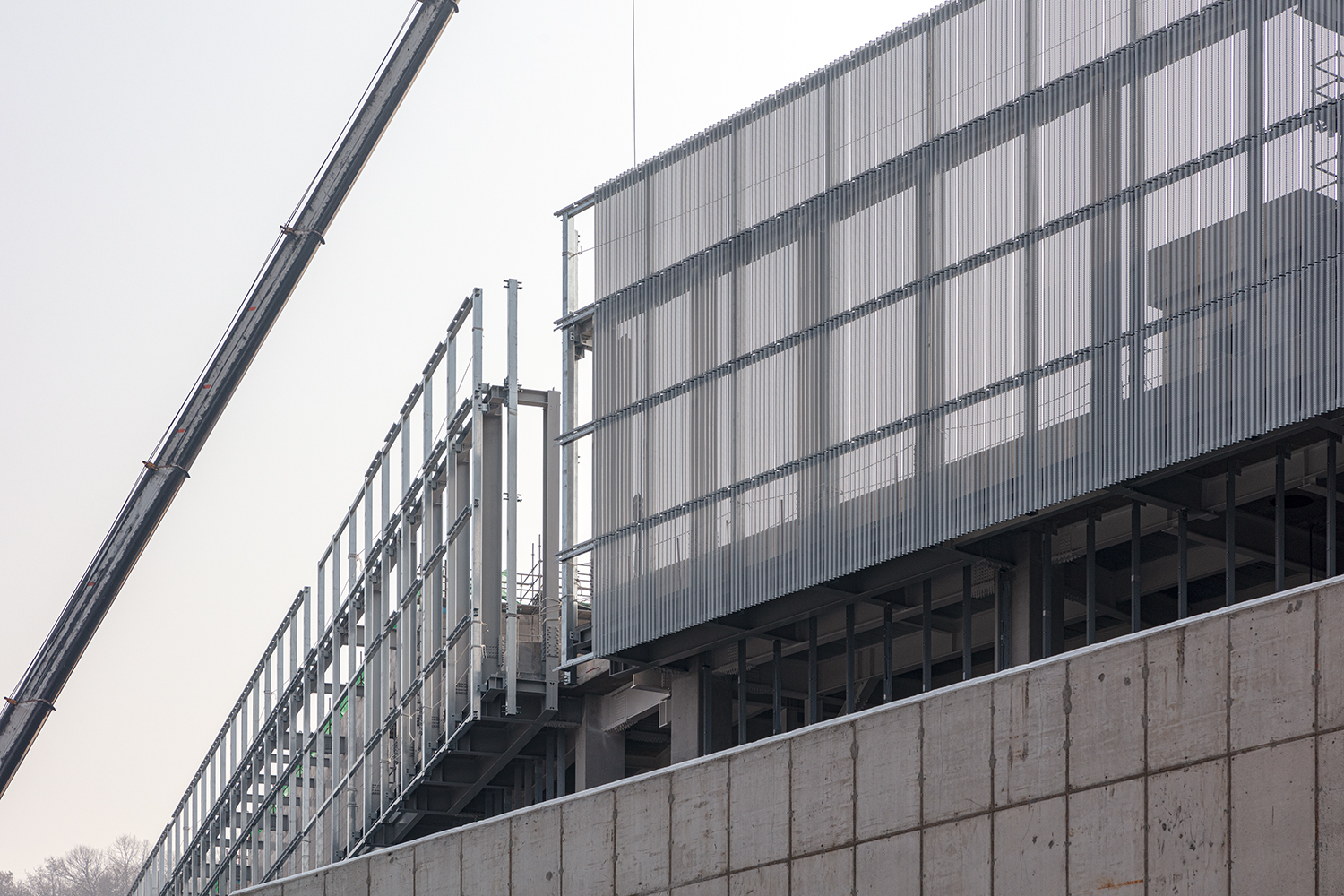
The rooftop façade of the NAVER Data Center GAK Sejong Server Building ©Jang Mi
SPACE: Sometimes they are built right in the middle of a city centre, like the KT Data Center in Yongsan. What differences emerge depending on the location?
Ahn: Led by hyperscale data centres like GAK Sejong, data centres of various scales are recently being developed in urban and suburban areas, and several patterns are detectable here. The aforementioned Distributed Energy Act enforces power grid impact assessments as an institutional mechanism to prevent reckless data centre development and secure power grid stability. Consequently, as building permits for data centres have become stricter compared to the past, there has been an increasing number of cases in recent years where small-scale data centres with a receiving capacity of less than 10MW (GAK Sejong’s receiving capacity is 270MW) are strategically developed to avoid the application criteria of the power grid impact assessment. Another trend is the development of edge data centres using the surplus power of abandoned factories or existing industrial facilities. This is a method of recycling industrial facilities, whose utility has decreased due to changes in existing industrial structures, into data infrastructure. For instance, in the Yeongdeungpo area, Seoul, the development of small-scale edge data centres with the Yeouido financial district as the primary user (tenant) is under review.
SPACE: How do you predict data centre architecture will develop in the future? What competencies are required for architects in this context?
Ahn: Today, data centres are evolving into various forms rather than settling into a single type of building. Various concepts and names are emerging, such as edge data centres, hyperscale data centres, AI data centres, modular data centres, GPU farming infrastructure, and token factories. The terminology is diverse, but in essence they are ultimately the same: a data centre is a complex system combining energy, IT infrastructure, architecture, mechanical systems, and urban infrastructure. Therefore, data centre design has become an area that requires a multidisciplinary approach encompassing power, cooling, ICT infrastructure, urban planning, and policy environments, rather than just a simple architectural project. The role of the architect is also expanding beyond the boundaries of a building to designing the balance between technological change and urban infrastructure.
Ki Hyunchul (Ki): On a recent visit to Malaysia, I traveled to Johor Bahru, the closest region to Singapore. As the Singaporean government has restricted data centre construction since 2019 due to energy and water consumption issues, Johor Bahru, Malaysia, has emerged as an alternative. By attracting data centres from foreign big tech companies like Google, Nvidia, and Microsoft, in addition to internal demand from Singapore, Johor Bahru is now rising as Asia’s largest data centre hub. However, as I passed through this city, I felt as if I had arrived in an unpopulated city. There were countless buildings, but no sign of human presence. If the cities of the past were formed by people gathering because of the demand for labour, it is as if energy and data are now creating new cities. I couldn’t readily grasp this image, and I was even confused about whether the human scale is an appropriate concept for a city. Haven’t we reached the point where we need to address the conventions guiding the concept of a human-centric city and how they can coexist alongside the emerging concepts governing a city? Architects should keep this context in mind when designing data centres.
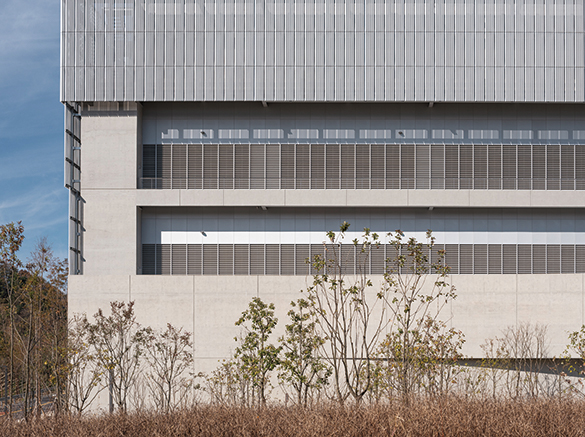
the lower façade of the NAVER Data Center GAK Sejong Server Building ©Jang Mi
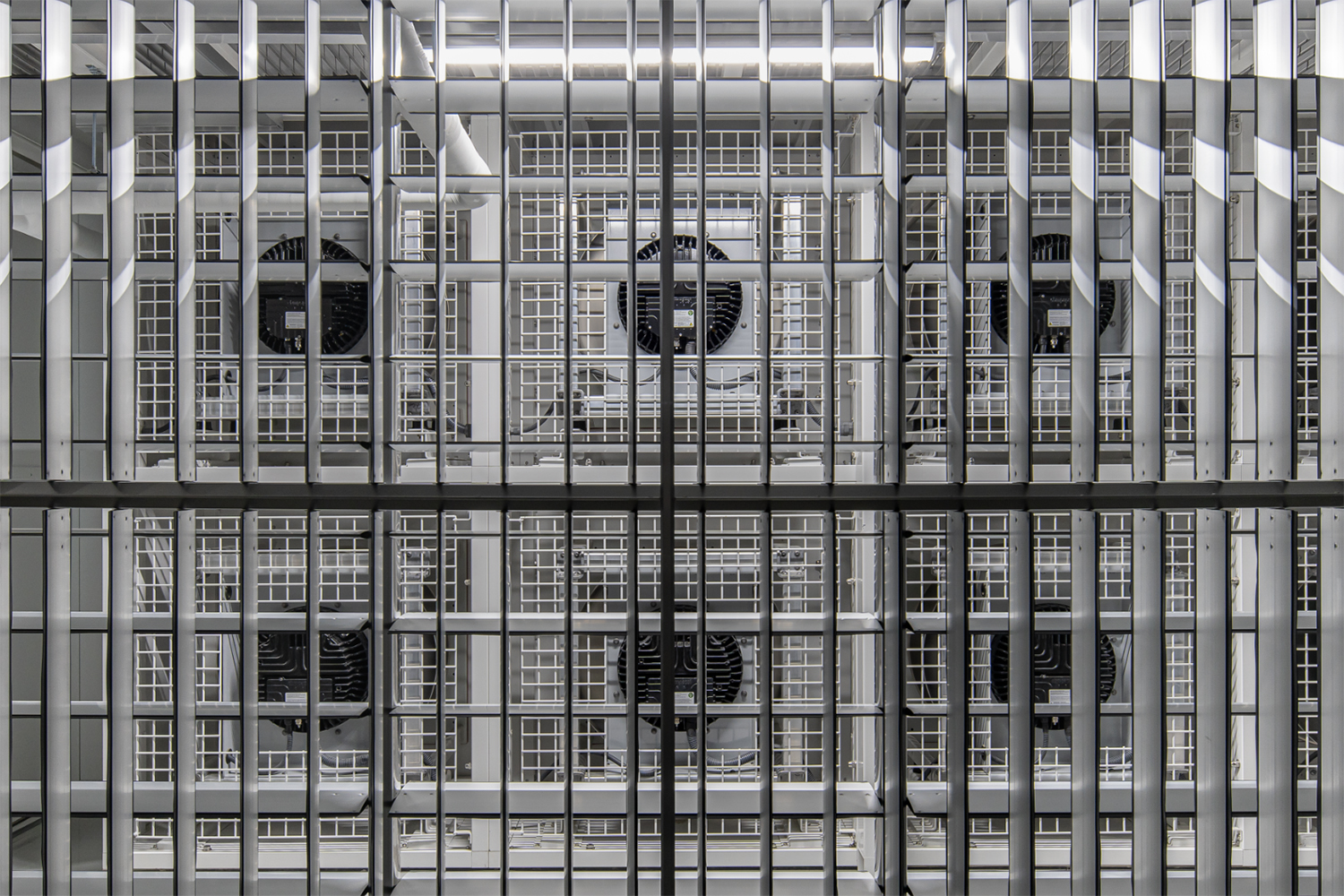
the HVAC system NAMU ©NAVER Corporation
Low-Carbon Materials: LG ThinQ Home
SPACE: Let’s move on to the next topic. When discussing sustainability, the topic of ‘materials and technology’ inevitably follows. I heard that LG ThinQ Home (hereinafter ThinQ Home), an energy-saving residential facility designed through a competition, is Korea’s first zero-energy house. I am curious about what you focused on during the design process.Ki: The client, LG Electronics, held a design competition proposing a future home in which their products could be integrated. While low-carbon materials are important in ThinQ Home, personally, the ‘home of the future’ was a more crucial theme. Just as Le Corbusier’s Villa Savoye was designed with pilotis to bring the automobile – the product of the latest technology of its time – into the house, I wanted to explore how spaces would change when highly advanced home appliances and smart technologies like AI are introduced into the home. It is about speculating on the next architectural paradigm beyond Le Corbusier’s free plan and free façade.
SPACE: Specifically, how did you imagine the home of the future would change? How was this actually realised?
Ki: I thought the space that would change the most was the entryway. We were living through the pandemic during the time of the design competition, so I anticipated a need for an entrance to function like a cleanroom. Reflecting this, an air shower to remove contaminants was installed above the inner door, and a Styler (clothing care system) and a sink for handwashing were placed together. Of what was realised inside the house, I’d like to introduce two things. First, I anticipated that Le Corbusier’s ‘free plan’ would become a ‘kinetic plan’ and planned moving walls, and one of those walls was built. As Le Corbusier proposed the ‘free façade’ and introduced long horizontal windows, pondering the next step, I imagined an ‘exterior that changes depending on the situation’. This was implemented with smart glass, allowing the building’s skin to flexibly switch between transparent and opaque.
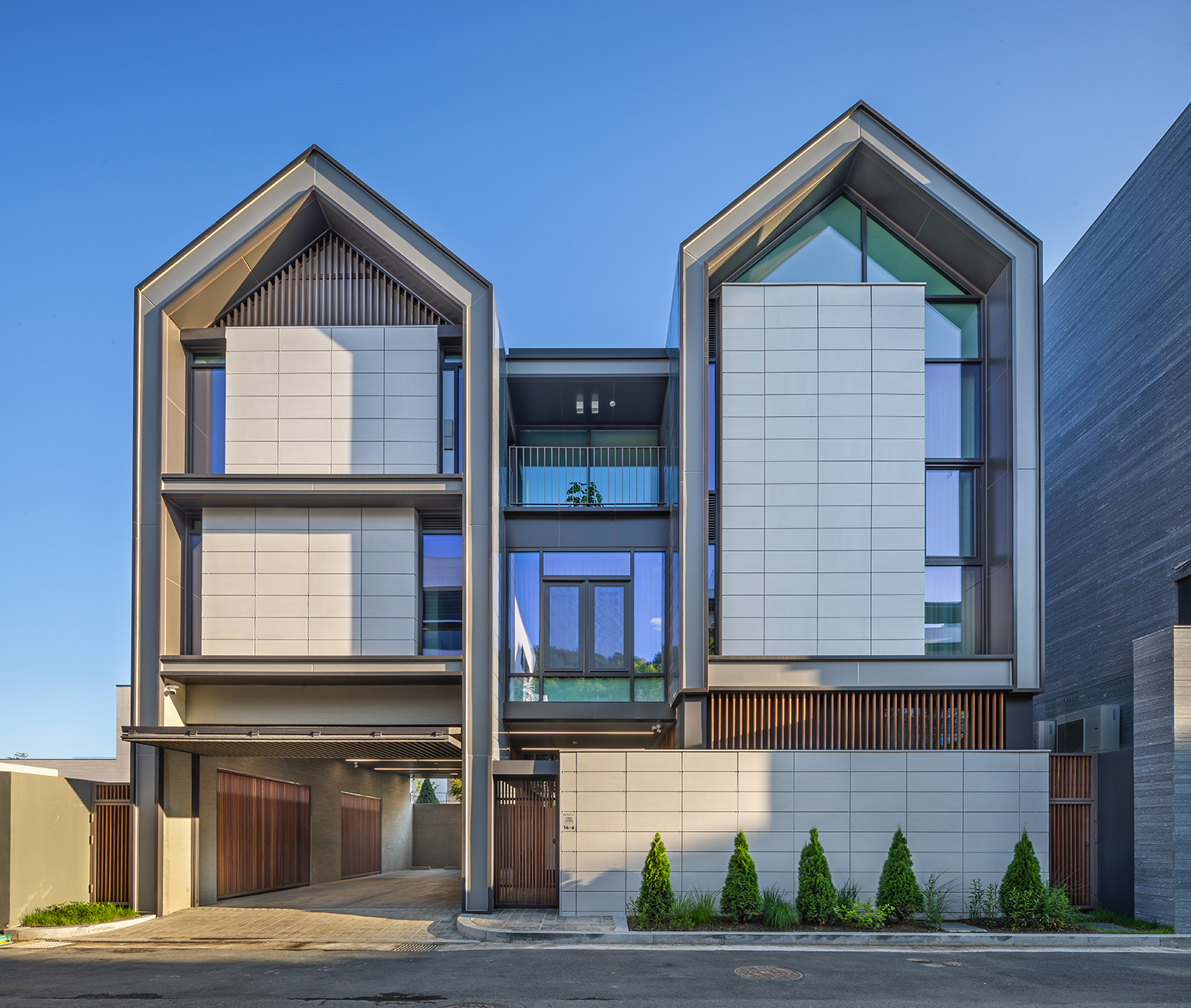
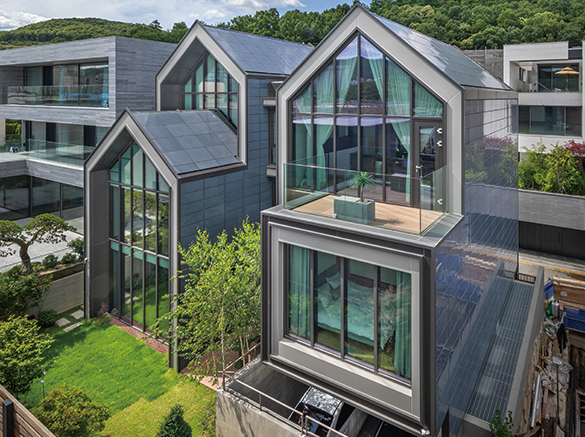
The north façade of LG ThinQ Home
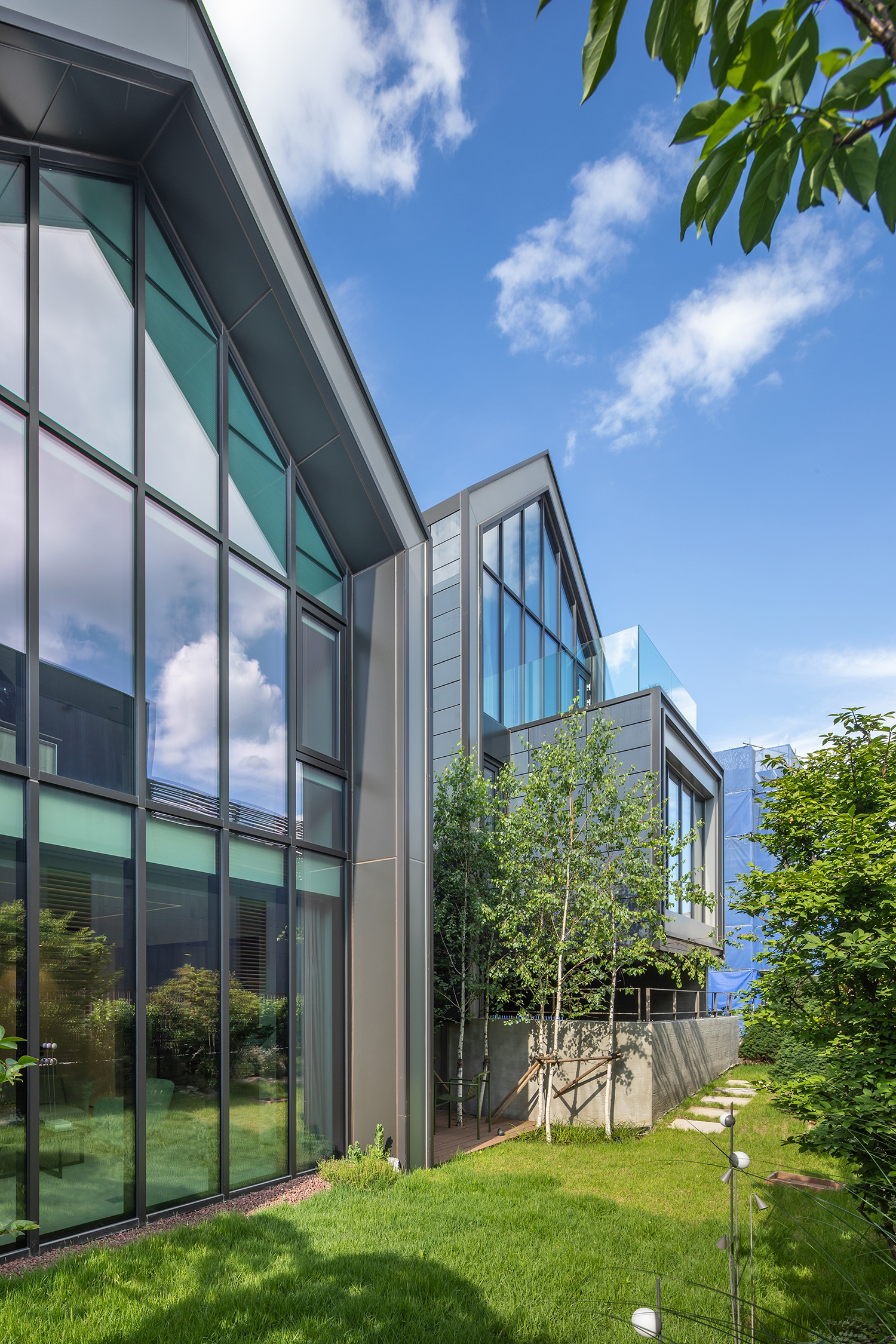
south elevation of LG ThinQ Home
SPACE: Could you explain how the Building-Integrated Photovoltaics (BIPV), the building’s main energy source, differ from conventional panels, and how you achieved an energy independence rate of 121.66%?
Ki: The main reason architects haven’t used conventional solar panels much is largely aesthetic. The distinctive blue tint placed many restrictions on their application and design. After consulting with the client to eliminate the blue tint while maintaining performance, LG Electronics developed a special gray coating method. Currently, the technological advancement of solar panels is progressing in two directions: diversifying colours and reducing thickness. To achieve this, a slight drop in efficiency is usually tolerated, but the client created several mock-ups and achieved satisfactory results with almost no performance degradation. In addition, micro-inverters played a massive role in achieving the energy independence rate. Generally, even if multiple solar panels are installed, they are all connected to a single inverter to produce power; thus, there was a drawback where if even one panel fell under a shade, the entire inverter efficiency was affected, causing the efficiency to drop. To compensate for this, micro-inverters were densely installed for every 1 to 3 panels, improving performance so that even if there is shade, only the affected panels are impacted. Furthermore, applying an Energy Storage System (ESS), which stores excess solar energy produced during the day in a battery room inside the house for use in the evening, was the primary factor in achieving the energy independence rate.
SPACE: Some point out that there is a lack of diversity in eco-friendly building materials; what do you think is the cause? As a designer who participated in material development for ThinQ Home, I’m curious what informed your deliberations.
Ki: When trying out a newly developed material for the first time, it’s natural to feel fear and apprehension. Using something unfamiliar requires verification, but there is deplorably insufficient time allocated for an architect to understand the material manufacturer’s manual, meet the producers in person to learn the technology, and customise the desired details. Consequently, people end up continuing to use existing materials out of inertia. From the manufacturer’s perspective, even if they patent and develop high-performance materials, the structure requires them to solely bear the time and costs required for performance verification, which seems to be why building materials cannot easily diversify. Due to this situation, when developing the solar panel with the client, we manufactured it at a 300 × 900mm size after investigating standard dry-type material dimensions widely used domestically, so that it could be compatible in case the panel has to be replaced with a different material. Thanks to this, the specifications matched the exterior finishing materials on the façades where solar panels were not attached, maintaining visual uniformity. To encourage the development of eco-friendly building materials, fundamental improvements might be needed in eco-friendly building certification systems and material performance verification frameworks. Efforts to use or develop ready-made materials like bricks, rebar, and concrete in an eco-friendly manner should also follow.
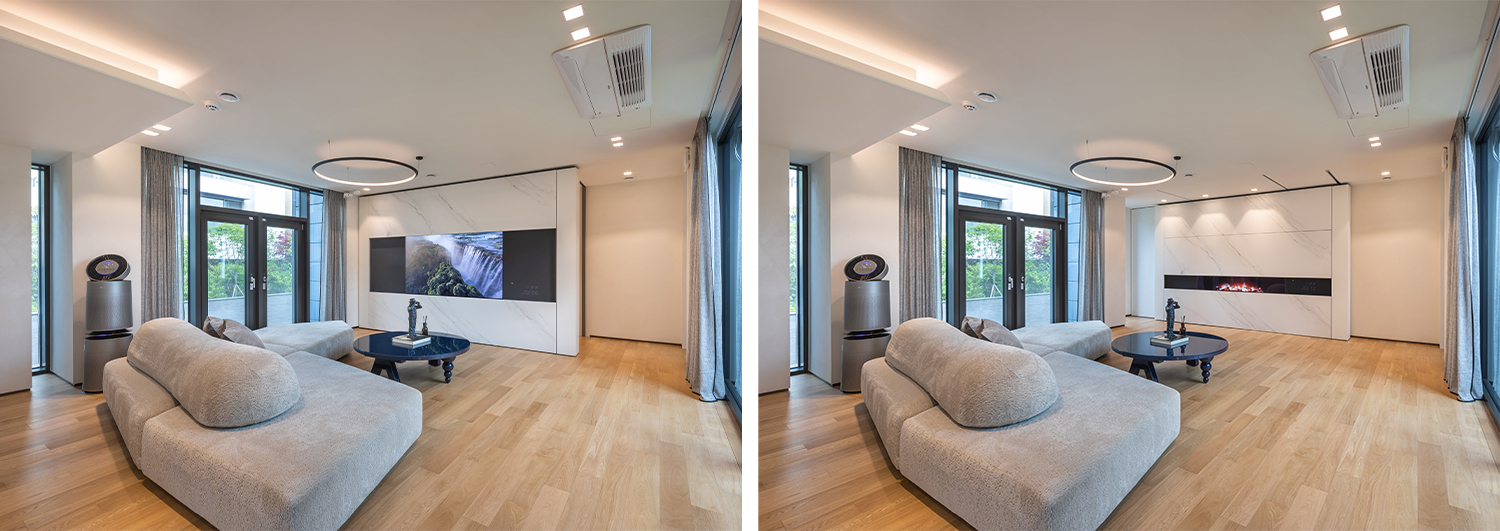
The moving wall in operation on the second floor of LG ThinQ Home
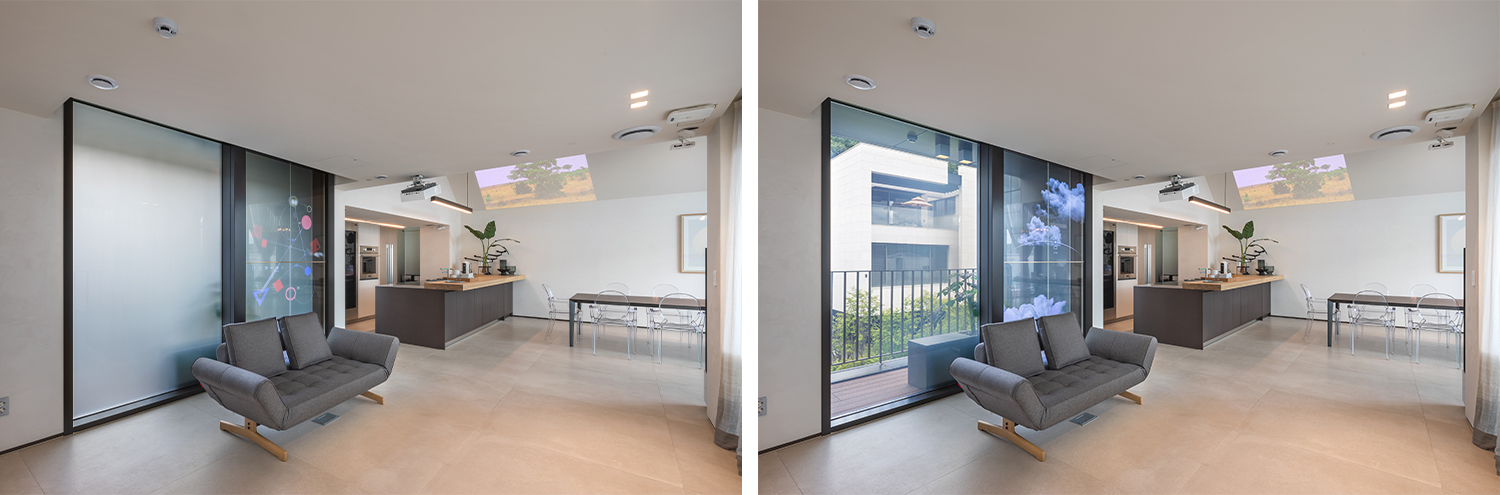
the smart glass on the third floor changing from transparent to opaque of LG ThinQ Home
SPACE: On the other hand, there is criticism that eco-friendly architecture like ThinQ Home, contrary to its purpose, requires excessive equipment and facilities, and that immense resources and energy are consumed in producing solar panels, making it high-energy architecture. Some also worry about the risk of malfunction in modular systems integrated with electronics; what are your thoughts on this?
Ki: I would guess that while ThinQ Home produces energy through the house, much more energy was likely put into building the house in the first place. Also, considering that humans cannot directly control the building environment, ThinQ Home, where everything is automatically controlled, could be seen as inhuman architecture. Nevertheless, to underscore the significance of this project, I want to stress that it is an experimental project suggesting how to use, rather than ignore, rapidly advancing contemporary technology. Pioneering work always comes with a price, doesn’t it? In this context, it’s also welcome that timber structures are gaining the spotlight as an alternative for eco-friendly architecture. Recently, Europe has been inducing mandatory measures for public building projects to employ timber structures, but, given the realities in Korea, we cannot design all buildings with timber structures. Thinking about the share that a large design firm like Junglim Architecture has to handle, surely it’s out of the question to not build large-scale buildings? The best method an architect can take for a sustainable future is to build less, and the next is to reduce the building’s weight. South Korea has an absolute dependency on reinforced concrete. Junglim Architecture is a group that designs large-scale buildings, not 1 – 2 storey buildings, is it not? Exploring new technologies and methods like CFT (Concrete-filled Tube) systems or composite beams to devise ways to reduce the weight of large buildings, and researching materials that can replace reinforced concrete—I feel that Junglim Architecture must play a role in this direction.