




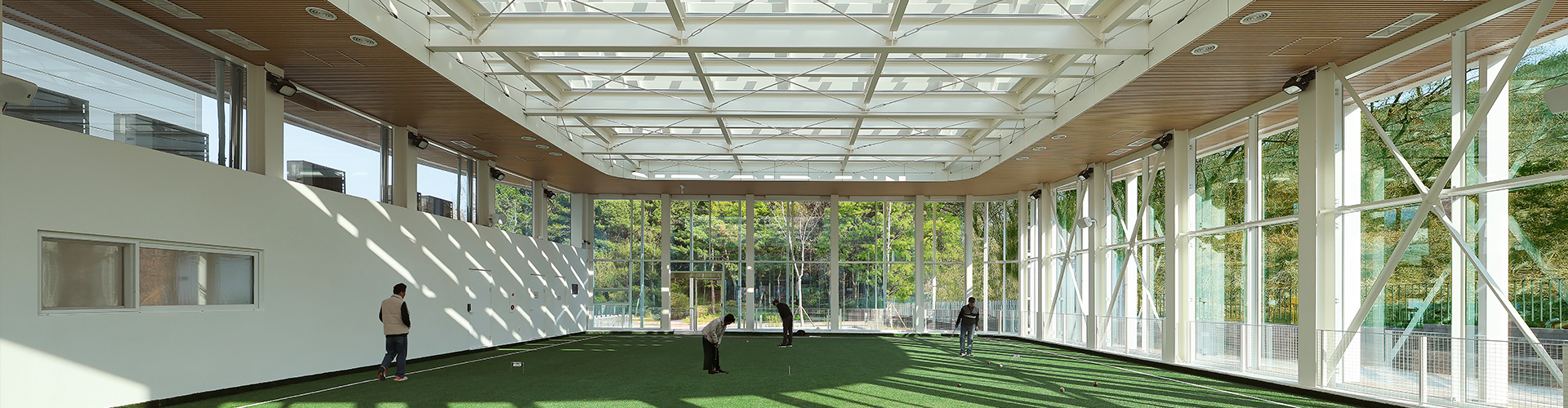
SPACE January 2026 (No. 698)
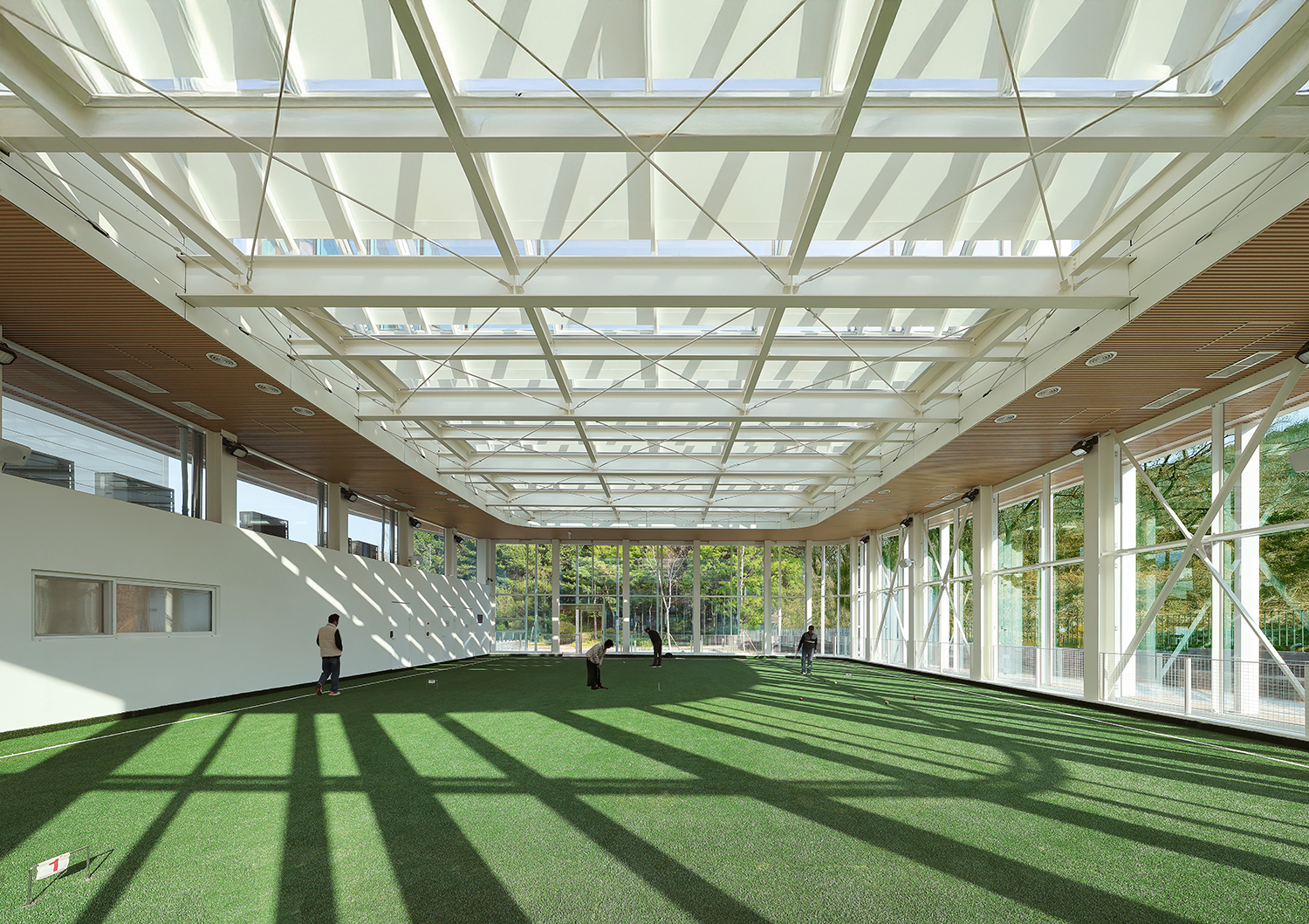
In Korean architectural discourse, sustainable architecture has often been considered to be a social and humanistic concept, often discussed in relation to communal coexistence. This concept, which has a long history in architecture, originates in fact from the engineering sciences. This is largely due to its aim to secure an optimal thermal mass without relying on mechanical systems and by employing architectural methods such as forming and re-arrangement. This process is better described as an overhaul – a complete redesign from scratch based on engineering performance standards – rather than a superficial improvement of the existing system. To compare it to clothing design, it would be like selecting materials and designing garments to suit the wearer’s bodily constitution and physique. Adaptive architecture is a methodology that actively implements the principles of sustainable architecture. Microclimate regulation based on data and systems will serve as a crucial design standard that determines future living environment qualities in Korea where it is now expected to experience extreme weather patterns.
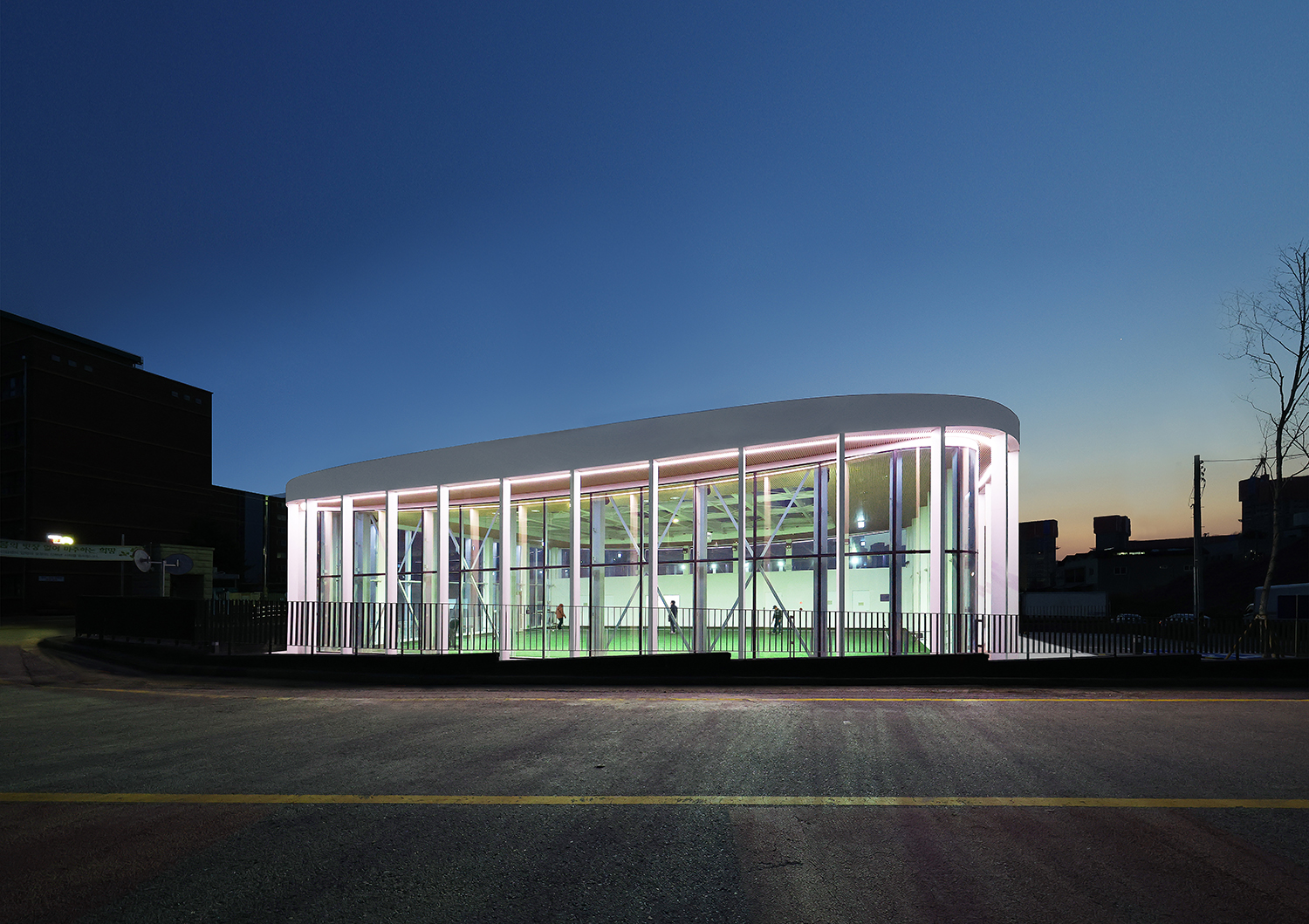
In this project – guided by the architectural concept of lifting the roof to frame borrowed views and aside from attempting new methodologies such as a façade that actively responds to daylight exposure, a roof respiration that aids air circulation, and a massing that promotes fluid circulation via buoyancy difference – we also sought to implement a design that was capable of integrating spatial forms and meanings via data and systems. WD Gateball Stadium is a synthesis of eight empirical design strategies aimed at engineering innovation. These elements aim to restore the fragmented daily lives of individuals through the meticulous spatialisation of intangible elements such as light, shadow, sound, and fluid that influence spatial psychology.
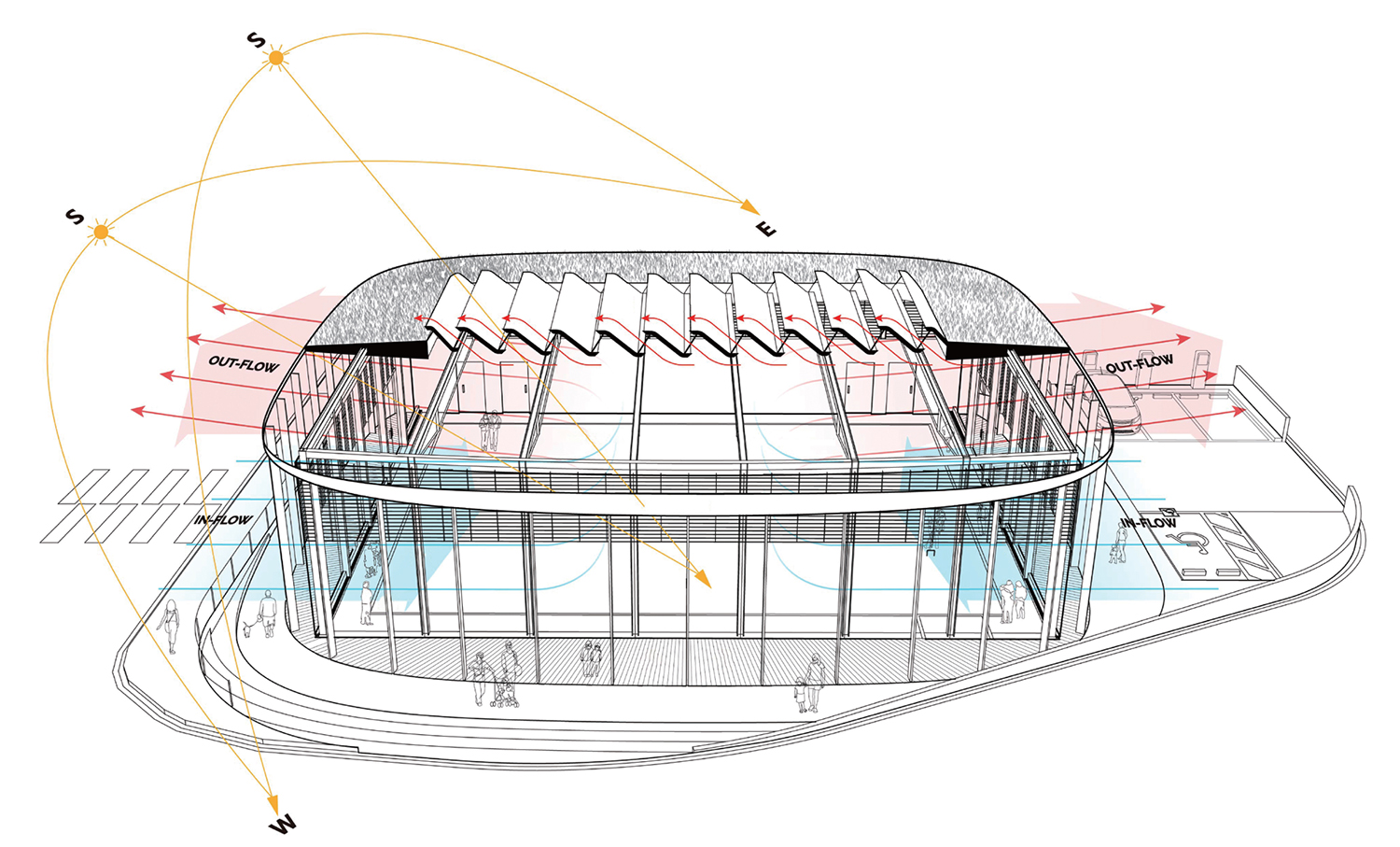
Concept diagram of sustainable architecture
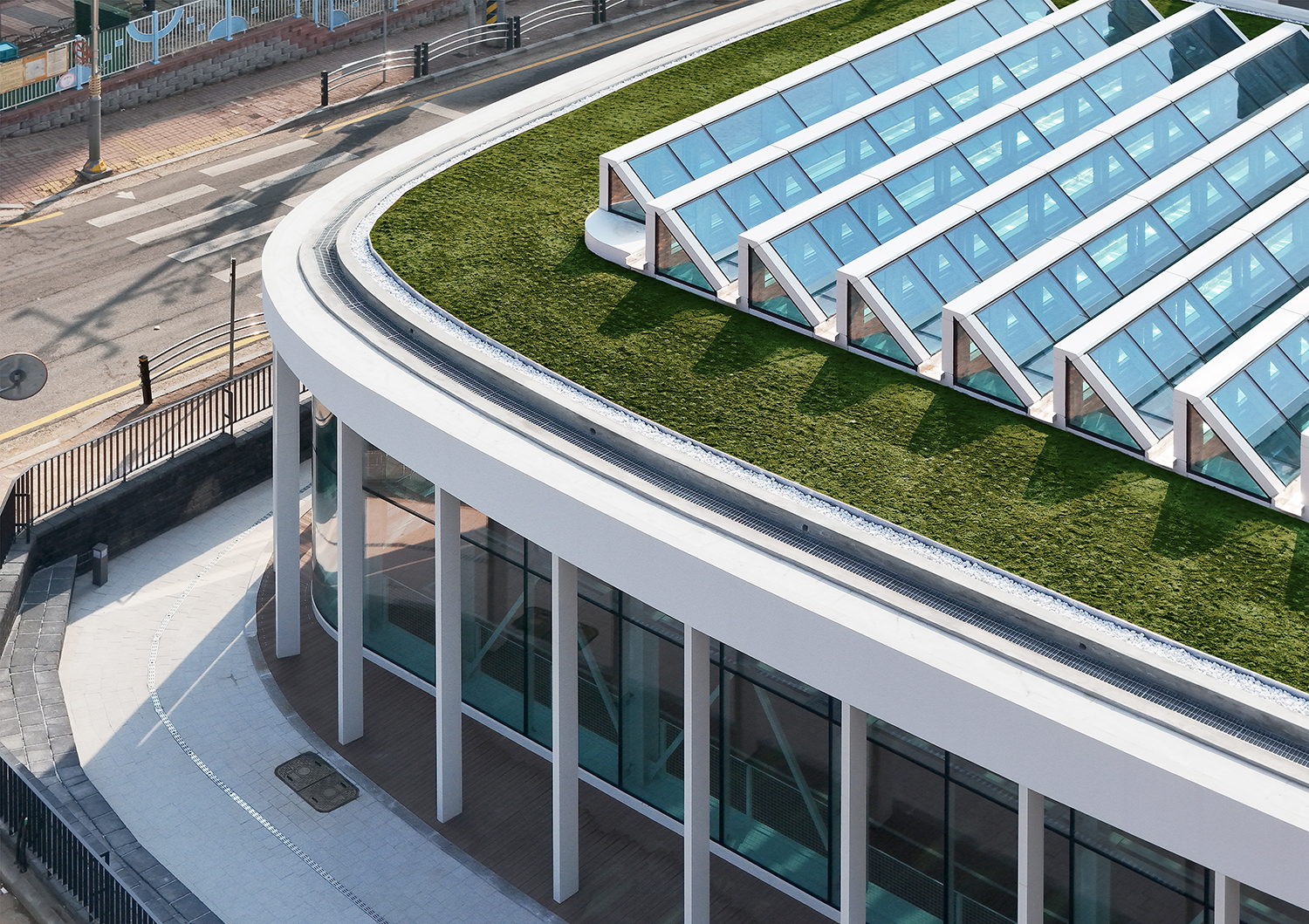
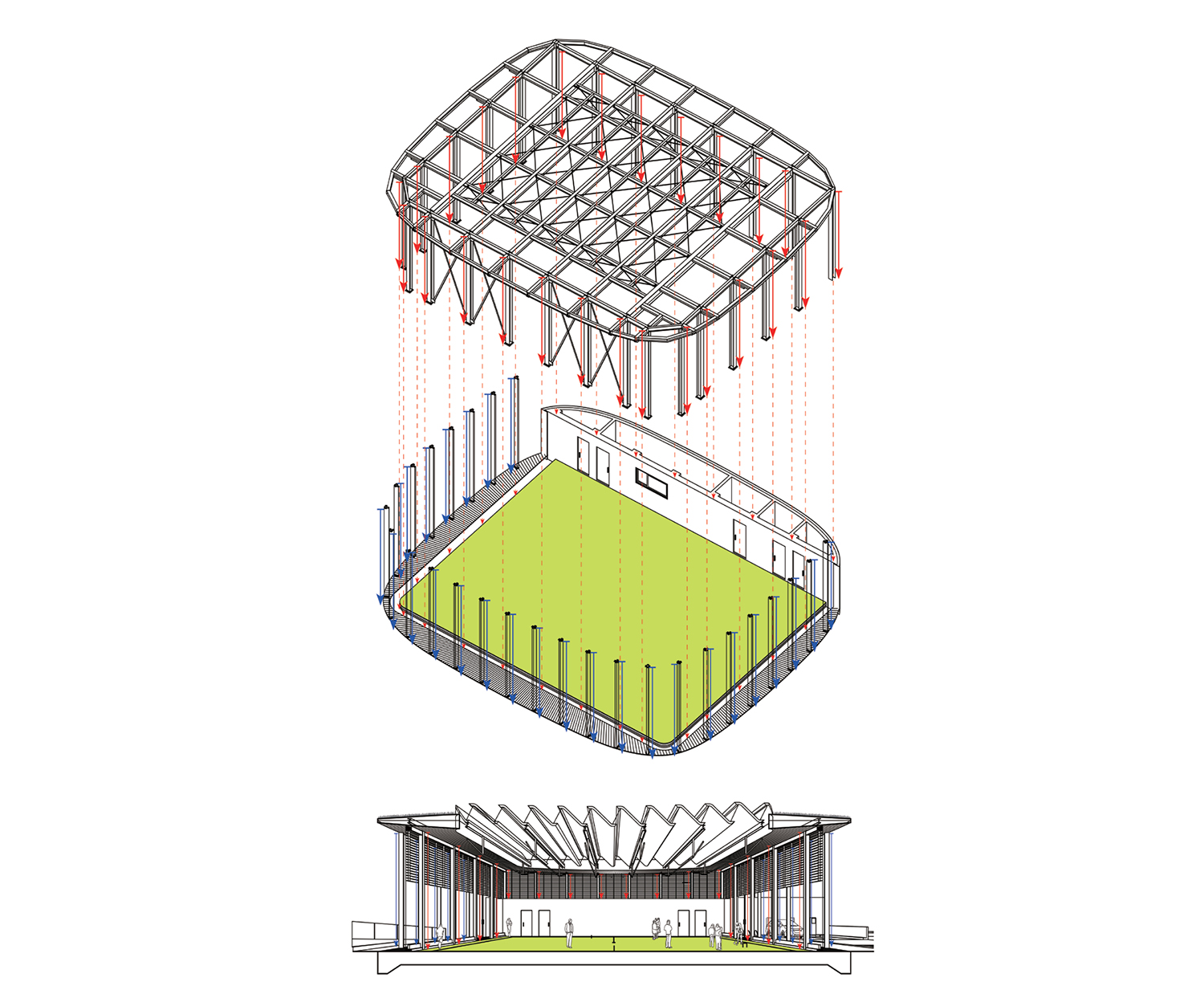
Skin Structure
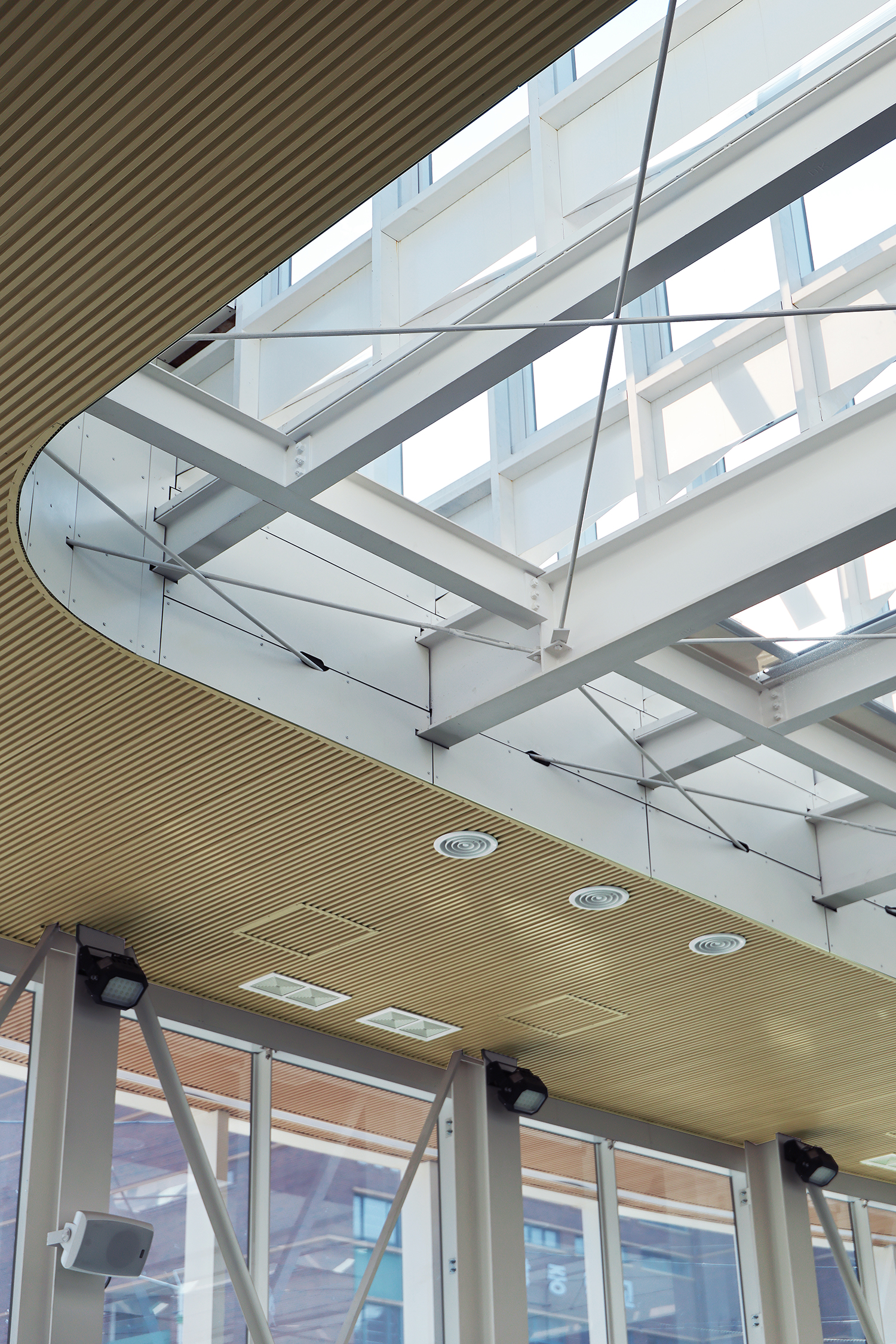
H-beam framing was used to serve as the primary roof support for long spans. The pillars arranged along the outer cloister were then used as external articulation and structural skin, providing secondary support to the roof. Through this double-layered envelope, a column-free space was achieved, which in turn facilitates smooth internal fluid flows and creates an optimal environment for athletic activities.
Curved Roof and Roof Respiration
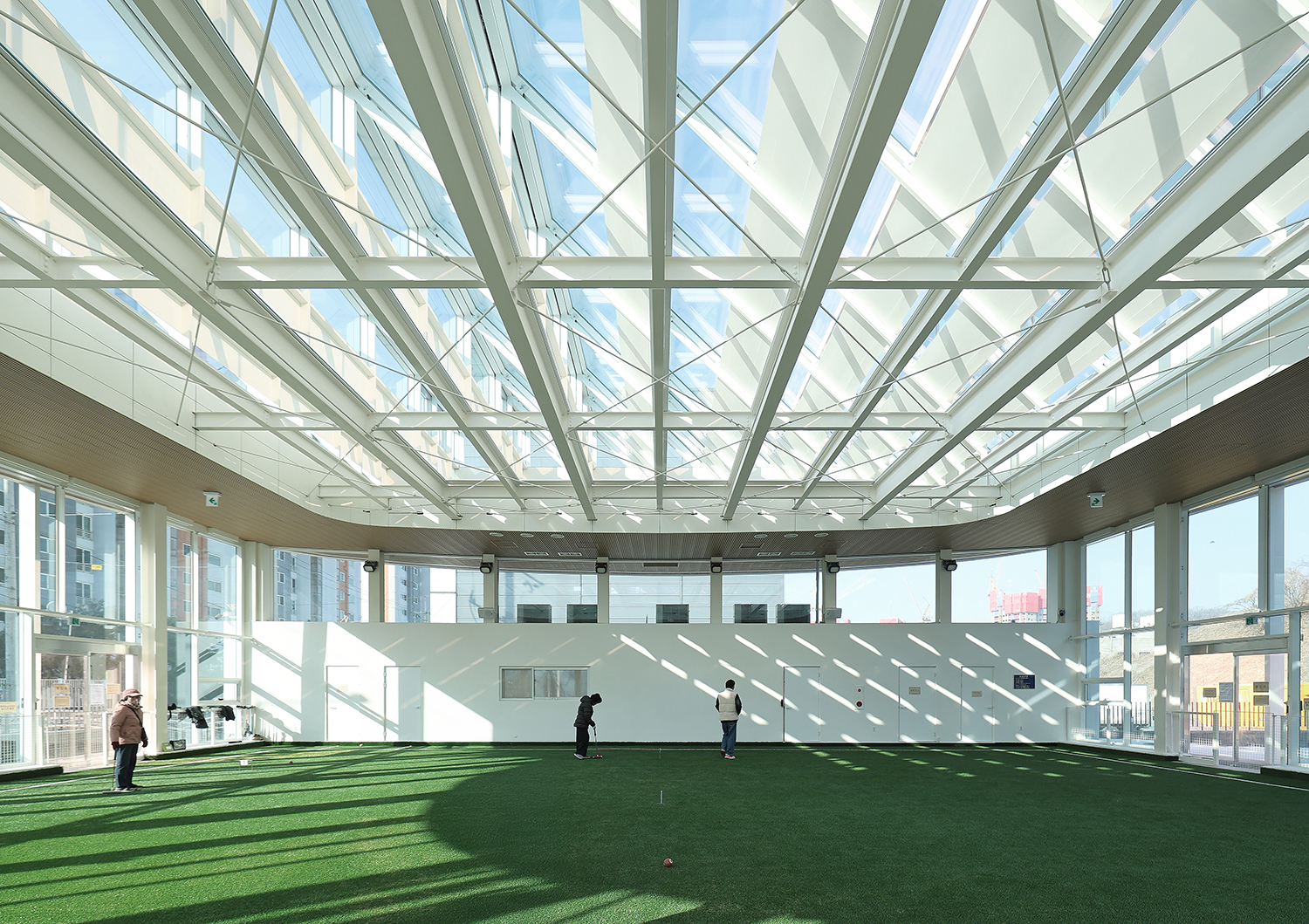
The contaminated air emitted from the users’ activities undergo thermal expansion and get trapped in the ceiling due to buoyancy differences. This accumulated layer of air not only reduces the overall air quality within the stadium but also acts as a major cause of increased cooling loads and reduction of air-conditioning efficiency in Korea’s extreme summer climate that reaches up to 40℃. To solve this problem, a curved roof was installed and a roof respiration system was applied to the skylights. In most flat roof structures, air stagnates at the top and impedes air circulation. A curved roof on the other hand pushes air outward and facilitates efficient air circulation. It operates on a principle similar to the Venturi effect—comparable to squeezing toothpaste by applying pressure. When temperature rises or when air becomes contaminated, an operable skylight opens to regulate the indoor microclimate through natural ventilation. Because the uniquely shaped skylight resembles a fish fin, we nicknamed it FIN.
Façade Inlet System
Indoor air circulation is influenced by differences in buoyancy. To maximise natural ventilation, both outdoor air intake and exhaust must be ensured to operate unobstructed. The inlet system was introduced to maximise natural ventilation without relying on mechanical HVAC systems. By promoting stable air circulation throughout the year, it proactively regulates the indoor environment and, in turn, reduces the frequency of mechanical intervention, thereby improving overall HVAC efficiency. Fresh air entering through the lower façade inlets replaces the contaminated and thermally expanded air inside as the latter exits through the upper outlets. It can be understood as a contemporary reinterpretation of elements found in traditional architecture, such as the daechungmaru, which regulates humidity and temperature through cross-ventilation, and the deureoyeolgae (lift-up window), a device that enables heat exchange between outdoor and indoor air.
Ceiling Screen Blinds
The primary purpose of the ceiling screen blinds is to actively regulate daylight, ensuring a uniform daylighting environment year-round and maintaining comfortable indoor conditions for athletic activities. During summer, the screens are closed to block solar radiation; during winter, they are opened to allow solar gain. A secondary objective is to prevent cold drafts and reduce radiative heat loss to the exterior, helping to maintain indoor temperatures in winter.
Skin structure
Cloister
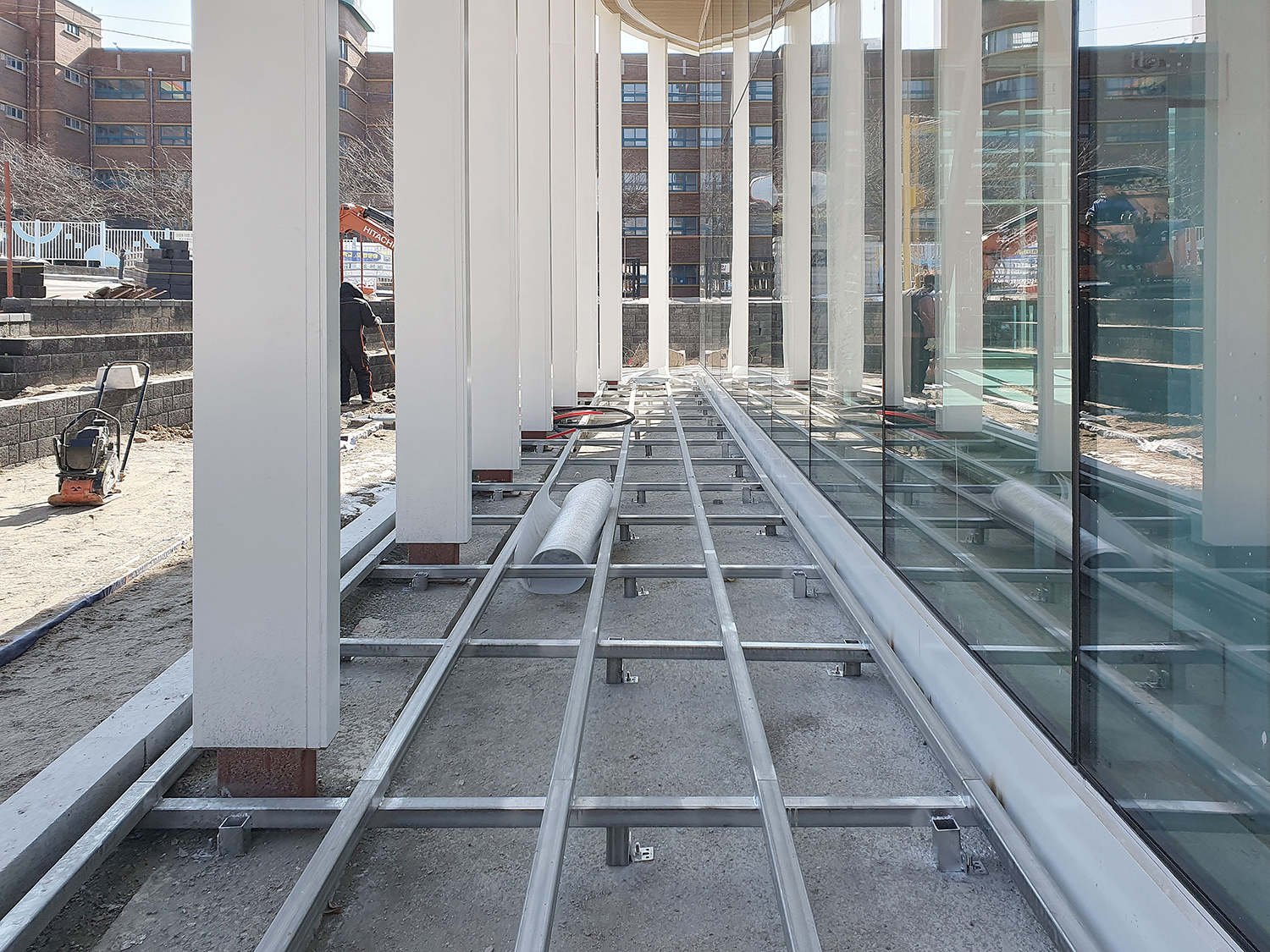
It is difficult to regulate daylight intake with conventional curtain walls. The cloister, a feature found in traditional architecture, serves as an effective architectural device for sunlight control. The cloister surrounding the WD Gateball Stadium draws its inspiration from this traditional architectural element. While the cloister formed by the extended eaves is capable of limiting sunlight on its own, when combined with a low-reflectivity deck, it can control heat radiation from entering the interior to a much greater degree. In a sense, the cloister can be considered as the most classical as well as the most modern device for sustainable and adaptive architecture.
Circulating Drainage System
The maximum rainfall in Seo-gu, Incheon, where the WD Gateball Stadium is located, can be up to 60mm and over per hour. In extreme cases, the total rainfall across the entire Incheon region can reach 150mm per hour. Such figures cannot be resolved with conventional flow rate calculation methods and therefore necessitate new architectural solutions. The rooftop garden applied above the stadium was designed not only to enhance indoor thermal efficiency through greenery but also to serve as a water reservoir. During heavy downpours, it temporarily stores water, which is then drained through four outlets with a time delay. The long cyclical drainage system formed along the elliptical loop delays the drainage and prevents flooding. The drains installed between the FINs were designed with gentle slopes on both sides to ensure smooth rainwater drainage.
Underdeck Drain Chamber
The stadium is situated on a slope, which means that water will flow downhill into the stadium during heavy rain. To prevent this, the deck below the cloister was designed to function as a massive drainage chamber. Because the façade’s inlet system is semi-open, special measures were required to prevent rainwater from entering the interior. The underdeck drainage chamber can store and discharge large volumes of rainwater flowing in from outside even during torrential downpours.

You can see more information on the SPACE No. January (2026).
Architect
SSK (Sooseok L. Kim)
Location
850-2, Wondang-dong, Seo-gu, Incheon, Korea
Programme
sports facility
Site area
861.3㎡
Building area
455.7㎡
Gross floor area
455.7㎡
Building scope
1F
Parking
2
Height
7.3m
Building to land ratio
52.91%
Floor area ratio
52.91%
Structure
steel frame, RC, SRC
Exterior finishing
AL curtain wall, exposed concrete, metal plate
Interior finishing
exposed concrete, plaster board
Structural engineer
Hub Structural Engineering
Mechanical and electrical engineer
Kodam
Construction
Borim Construction
Design period
June 2022 – May 2023
Construction period
July 2023 – Feb. 2025
Cost
2 billion KRW
Client
Incheon Metropolitan City Seo-gu Office
Landscape design
SSK
Sooseok L. Kim
Sooseok L. Kim graduated from Sungkyunkwan University and the AA School (SED, Sustainable Environmental Design) on a scholarship. He completed diverse projects at Foster + Partners and Populous in U.K., and at HPP Architekten in Germany as a Project Designer. After establishing SSK in Germany and operating based in both Europe and Korea, he returned to Korea in 2018 and continues his spatial work. SSK has won numerous domestic and international awards, including the Red Dot Design Awards, Architecture Masterprize(Best of Best, Honorable Mention) and the Incheon Architecture Award.
6