
SPACE December 2025 (No. 697)
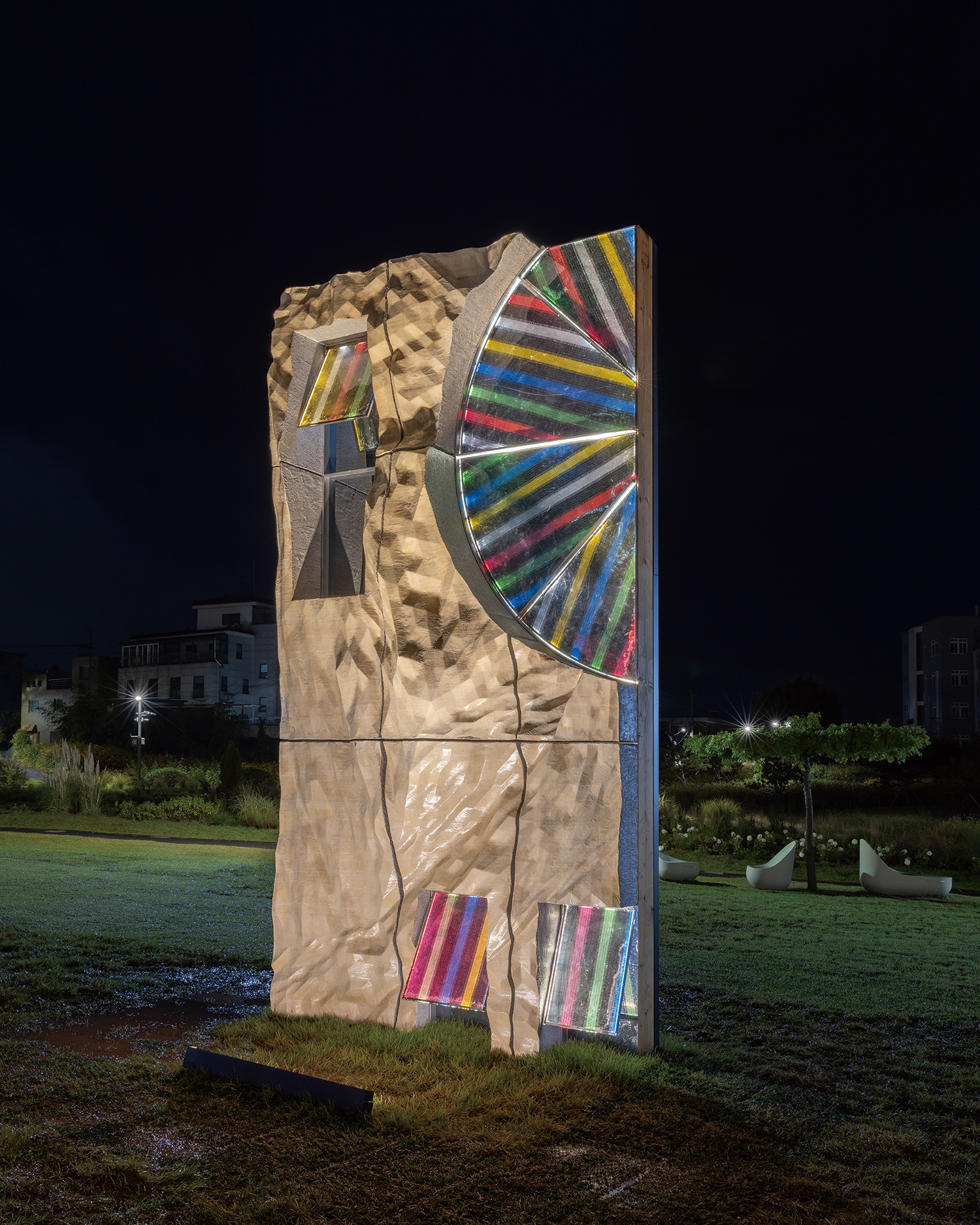
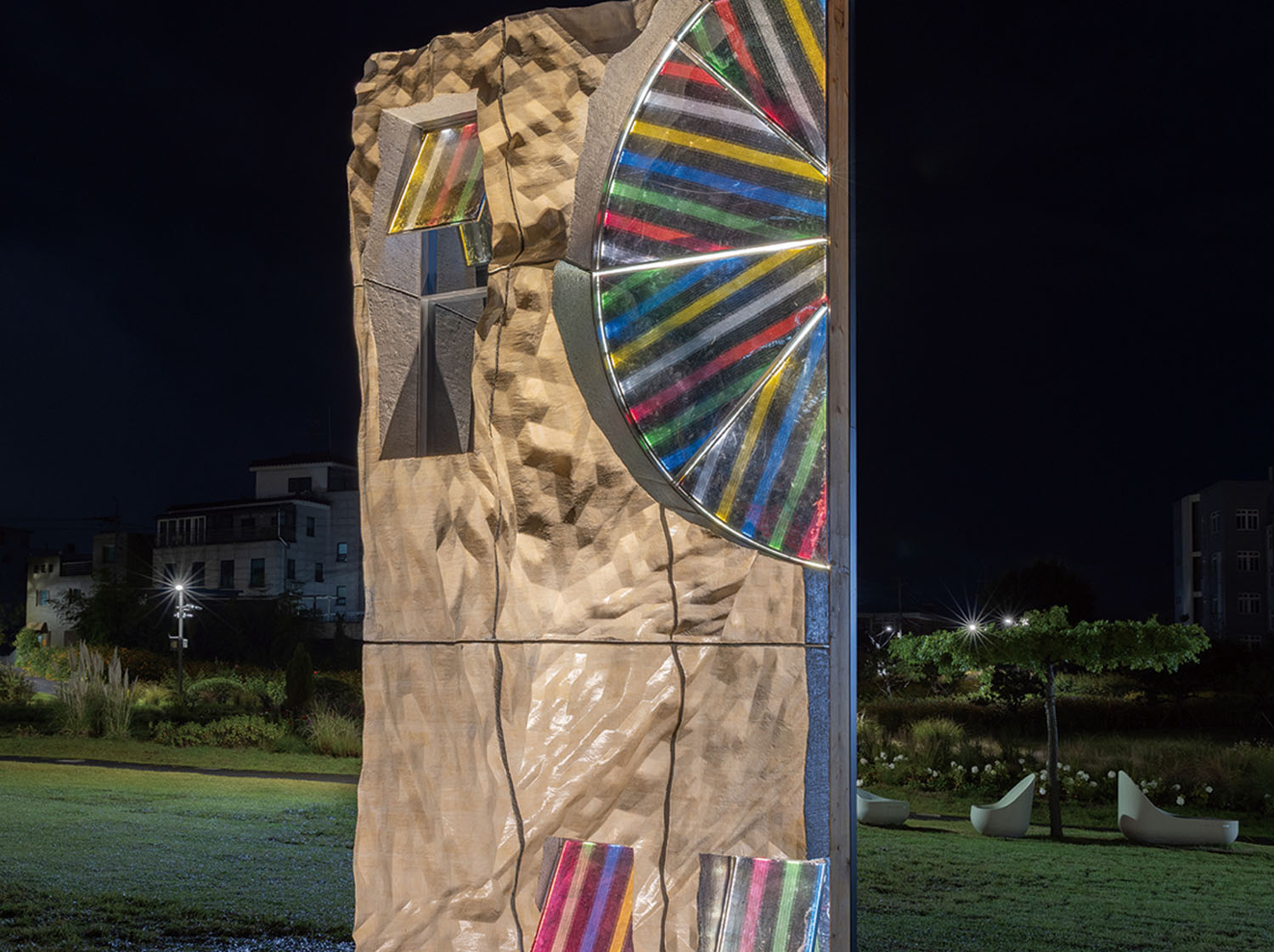
In Korea, many traditions have long been replaced easily, cheaply, and clumsily. We call these substituted traditions ‘Residual Heritage’. Residual Heritage does not belong to the mainstream traditions we readily recognise, nor have they become cultural assets; rather, they resemble the everyday customs of ordinary people. Most forms of Residual Heritage are sincere and earnest, yet awkward and low in quality. We seek the evolution of this everyday architecture. By adding our respect and critique to landscapes and objects that usually go unnoticed, we imagine something better, in the hope of contributing greater functionality and beauty to the rough and insufficient aspects of modernisation. Because even the most celebrated buildings and cultural heritage sites cannot fully articulate our identity, we believe that attention to Residual Heritage offers a path towards recovery of the missing half of architecture on the Korean Peninsula.
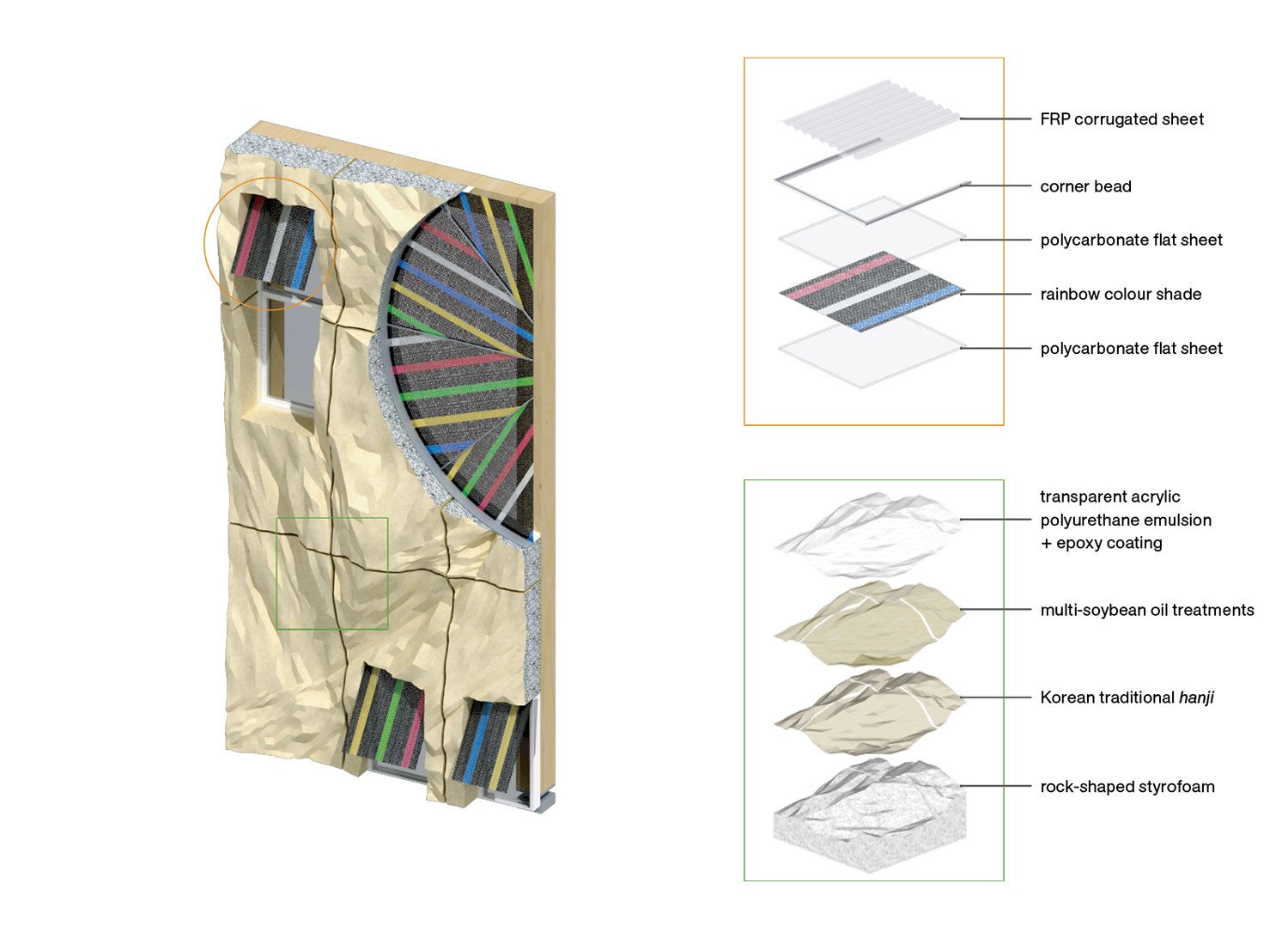
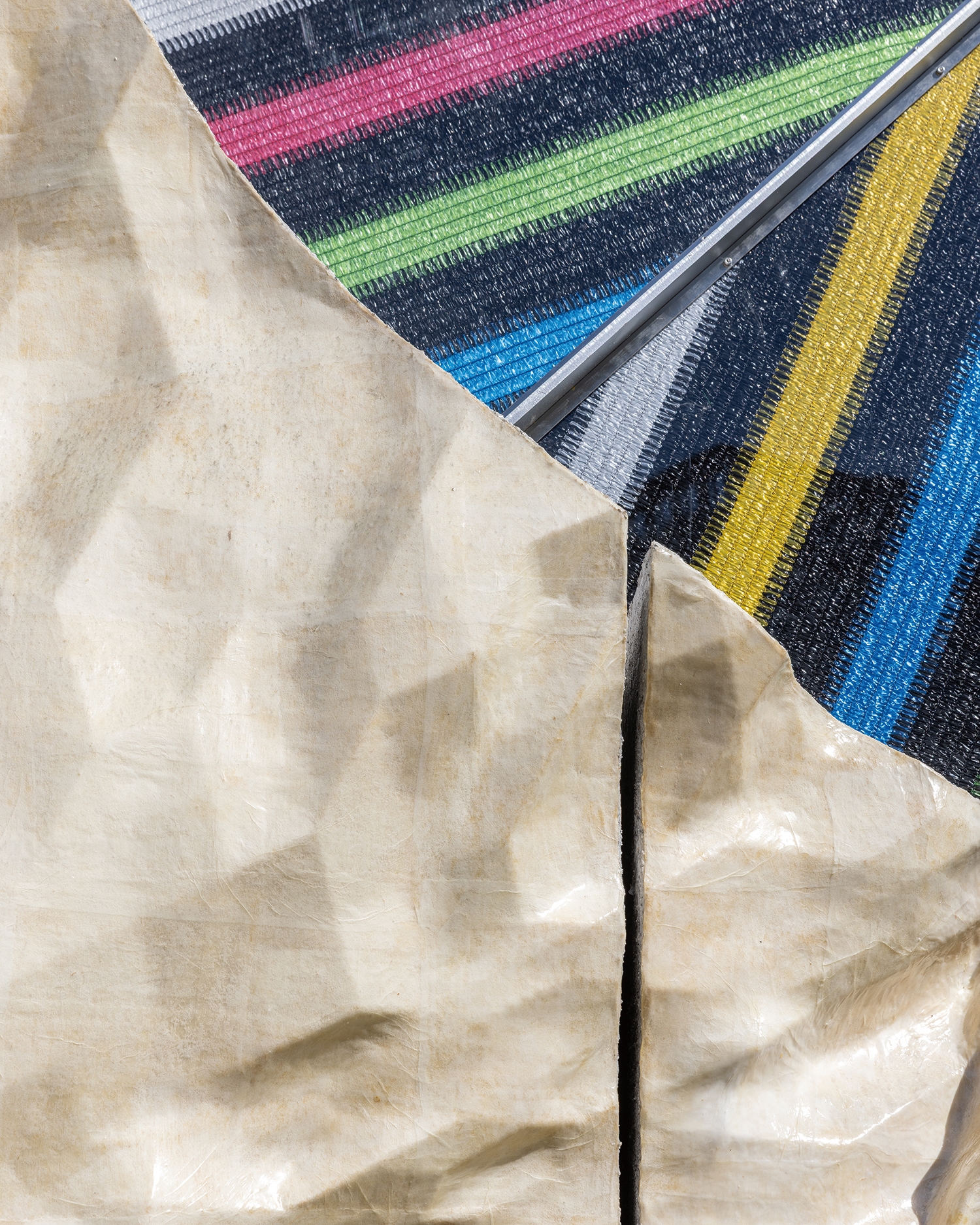
Traditional Korean architecture builds temples and pavilions atop cliffs, uses the five cardinal colours regardless of religion, and finishes floors with hanji coated in soybean oil. Modern Korean society has embraced Western religions, yet many still rely on shamanism, while ordinary households lay yellow vinyl flooring and create resting areas using mats edged in the five-colour black. This work forms part of a wall designed for a Korean religious building that reflects these conditions. Its exterior – modeled after the rock faces of Yosemite National Park and made of waterproof hanji stretched over a bean-dam frame – features a traditional five-coloured rose window reminiscent of the stained glass found in Western cathedrals.
Residual Heritage (2025)
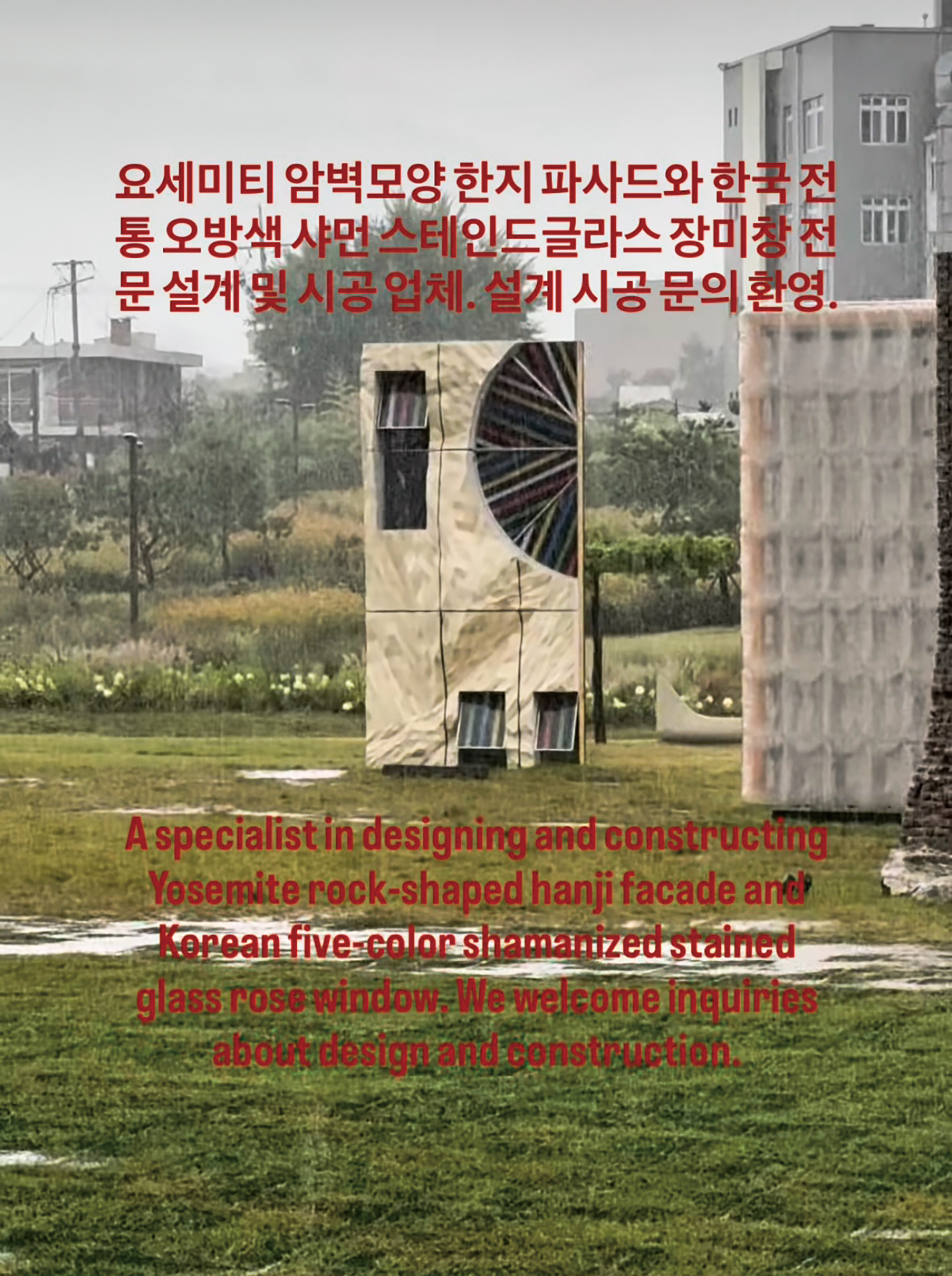
Image and text of Residual Heritage uploaded by Chung Isak written by Chung Isak ©Chung Isak
Chung Isak (Dongyang University) + a.co.lab archit
Yoo Seungha, Choi Minho, Cho Hyeryeong, Lee Kaitl
Songhyeon Green Plaza, Jongno-gu, Seoul, Korea
prototype wall for design commissions
4.8m/2.4m
June – Aug. 2025
July – Sep. 2025
28 million KRW