
SPACE July 2026 (No. 704)
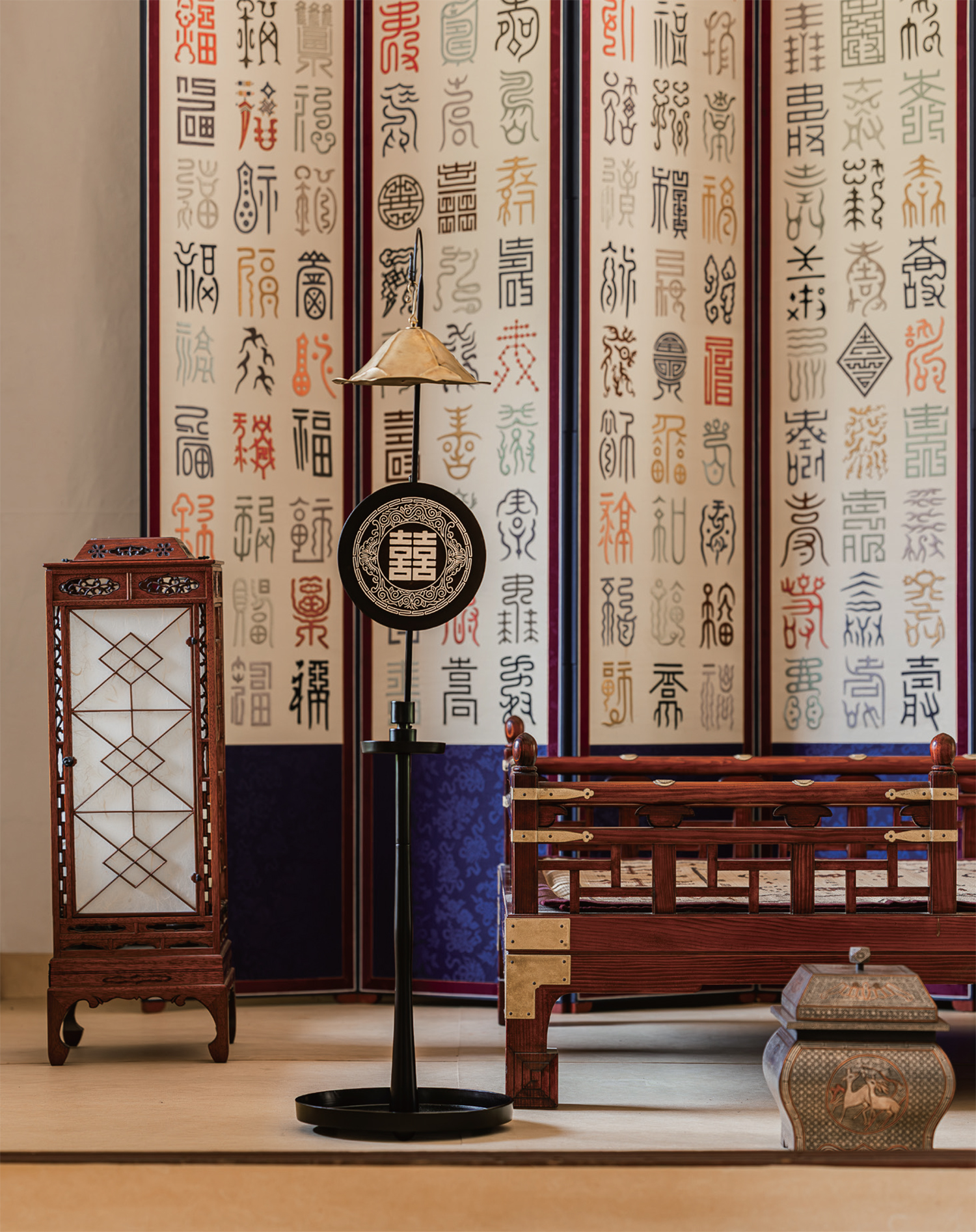
Furniture and furnishings installed in the left-hand room of Jeukjodang Hall, recreating the interior where Emperor Gojong conducted state affairs with his officials during the Korean Empire period; a Silver-inlaid Iron Candlestick at centre. Image courtesy of Arumjigi Foundation
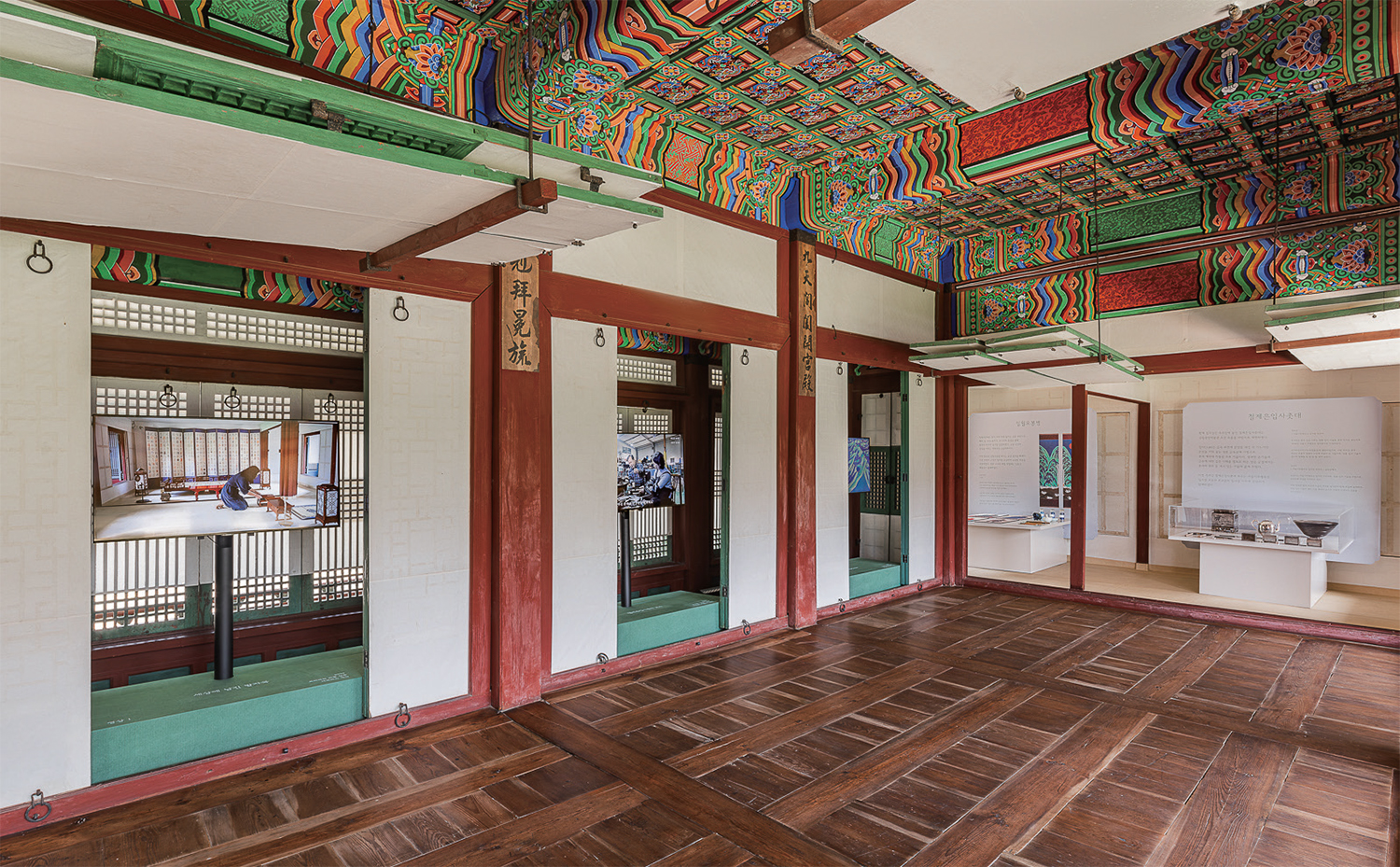
Installation view of the daecheong of Jeukjodang Hal Image courtesy of Arumjigi Foundation
From June 9 ‒ 21, ‘Hands and Tools of Craft’, a special exhibition examining the life cycle of recreated furnishings, was held at Jeukjodang Hall in Deoksugung Palace. The exhibition brought together fourteen recreated furnishings across eleven types created for Jeukjodang Hall between 2018 and 2021 as part of the Re-creation of Interior Furnishings in Palatial Buildings Project. The exhibition also included three documentary videos tracing the restoration processes of the Silver-inlaid Iron Candlestick and the Irworobongbyeong (Folding Screen of the Sun, the Moon, and Five Peaks), carried out between 2025 and 2026. In addition, visitors could view seven works and a selection of tools by three traditional artisans who participated in the production and conservation efforts, including Choi Gyo-jun, holder of Seoul Metropolitan Intangible Cultural Heritage status in Ipsajang (Master of Silver or Gold Inlaying).
Since 2015, with the support of Hermès, the Deoksugung Palace Management Office of the Royal Palaces and Tombs Center, under the Korea Heritage Service, has collaborated with the Arumjigi Foundation on the Re-creation of Interior Furnishings in Palatial Buildings Project. Now in its eleventh year, the initiative aims to restore and reproduce interior furnishings that provide clues to everyday life in the royal palace but have received relatively less attention than palace architecture. The long-running partnership between the three organisations has been widely recognised as a successful model of public-private collaboration, demonstrating how traditional craftsmanship can be sustained while contributing to the care of palace buildings.
Among the restored objects, the Silver-inlaid Iron Candlestick from Jeukjodang is particularly noteworthy. Originally crafted by Choi Gyo-jun, the restoration work was carried out with the participation of his protégé, Shin Sun-yi, a certified trainee of Ipsajang. The restoration is especially meaningful as it demonstrates the transmission of traditional techniques and craftsmanship across generations: an object created by a master artisan has been repaired and conserved by his protégé, extending its lineage through practice.
Another significant object is Irworobongbyeong (Folding Screen of the Sun, the Moon, and Five Peaks), formerly installed in Hamnyeongjeon Hall. Traditional painter Kwon Oh-chang, known for creating the standard reproduction of the Portrait of King Taejo of Joseon, participated not only in the screen’s original production but also in its restoration. Working with Kim Yong-shin, a specialist in traditional mounting and conservation, Kwon helped repair portions of the screen that had deteriorated over time. The careful collaboration between these two artisans not only restored the work but also reinforced its authenticity and cultural value. Deoksugung Management Office intends to continue creating opportunities for the palace to function as a living cultural heritage site.
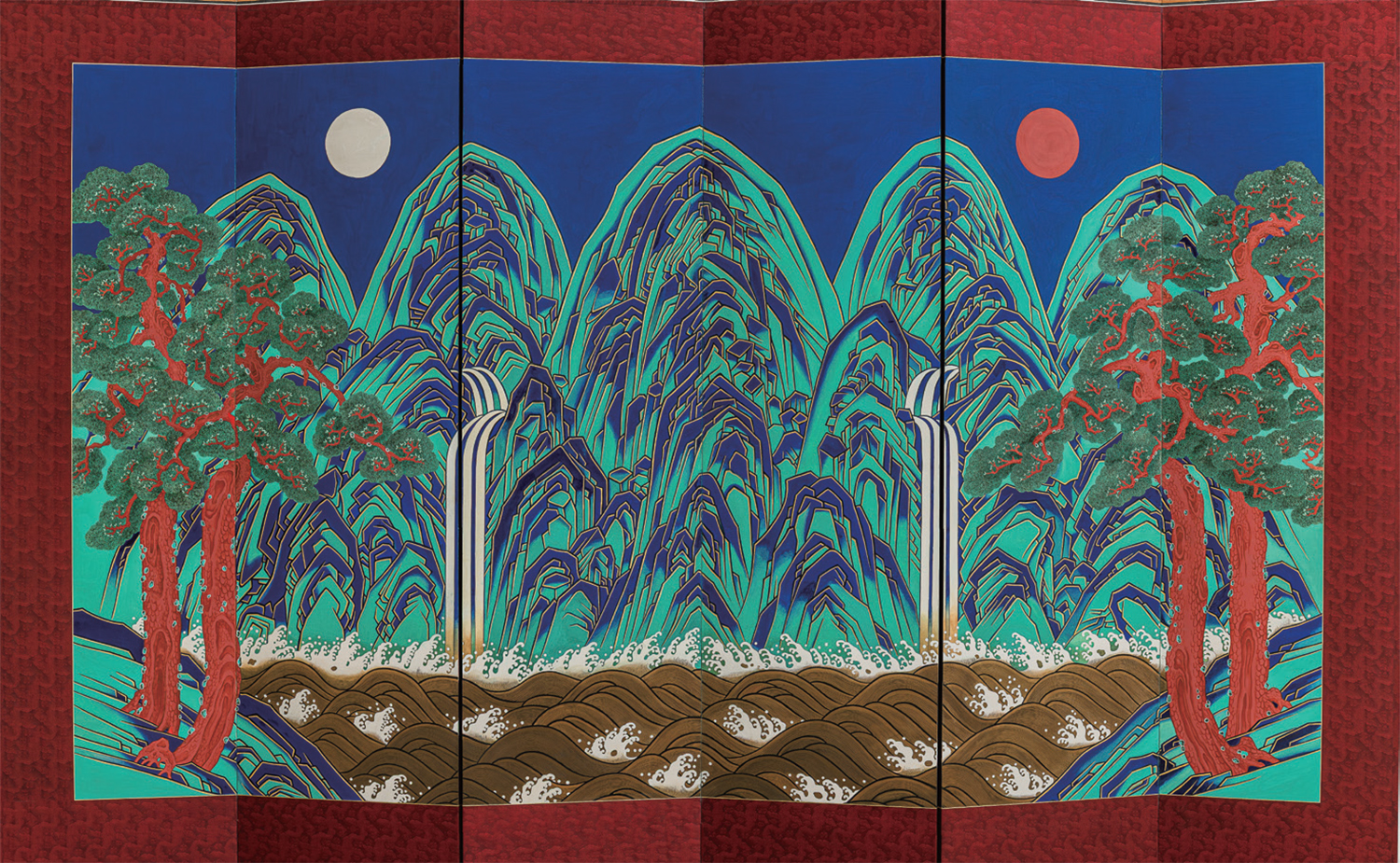
Irworobongbyeong (Folding Screen of the Sun, Moon and Five Peaks) Image courtesy of Arumjigi Foundation
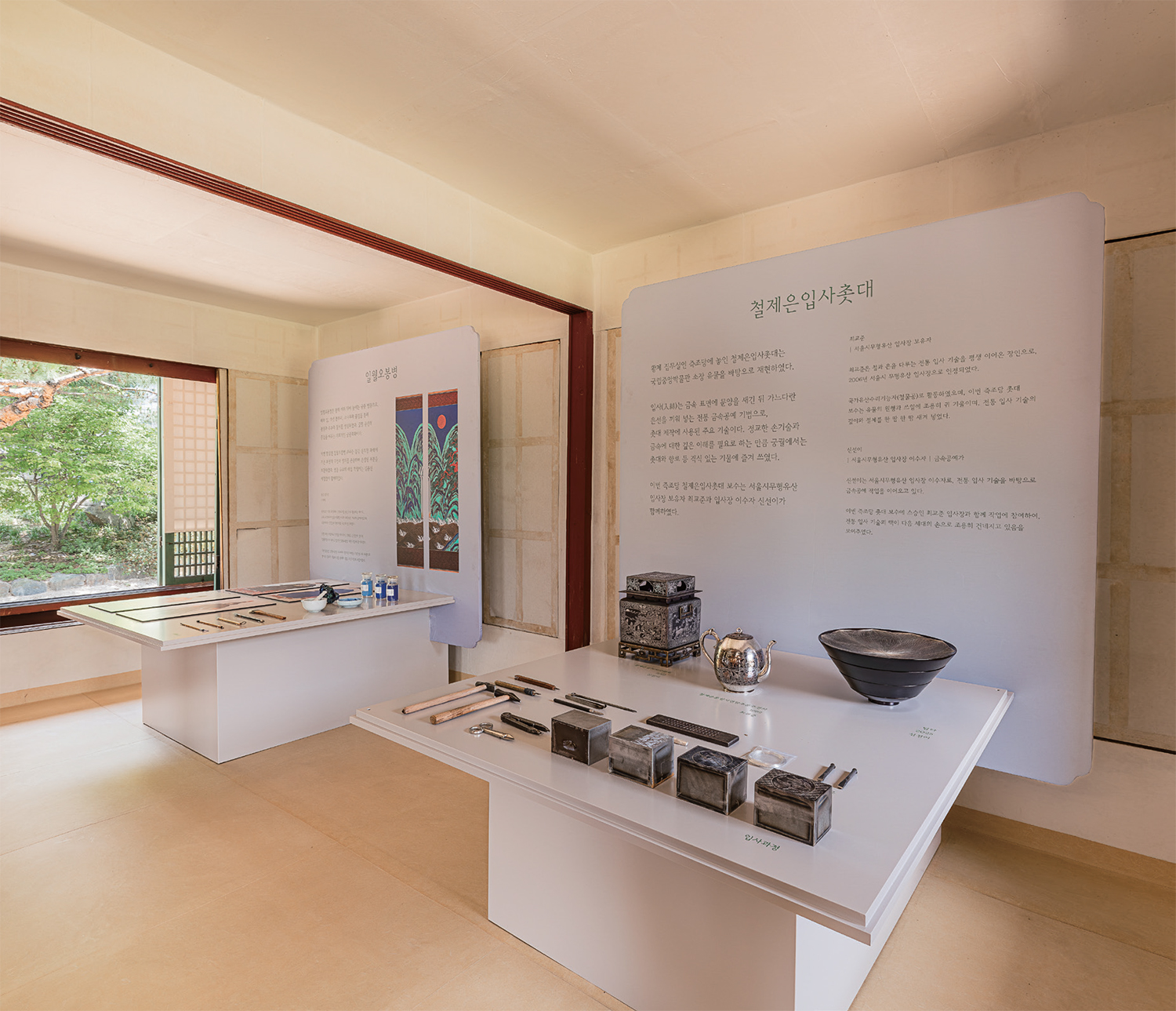
Installation view of the right-hand room of Jeukjodang Hall, presenting representative works and working tools of the participating artisans / Image courtesy of Arumjigi Foundation
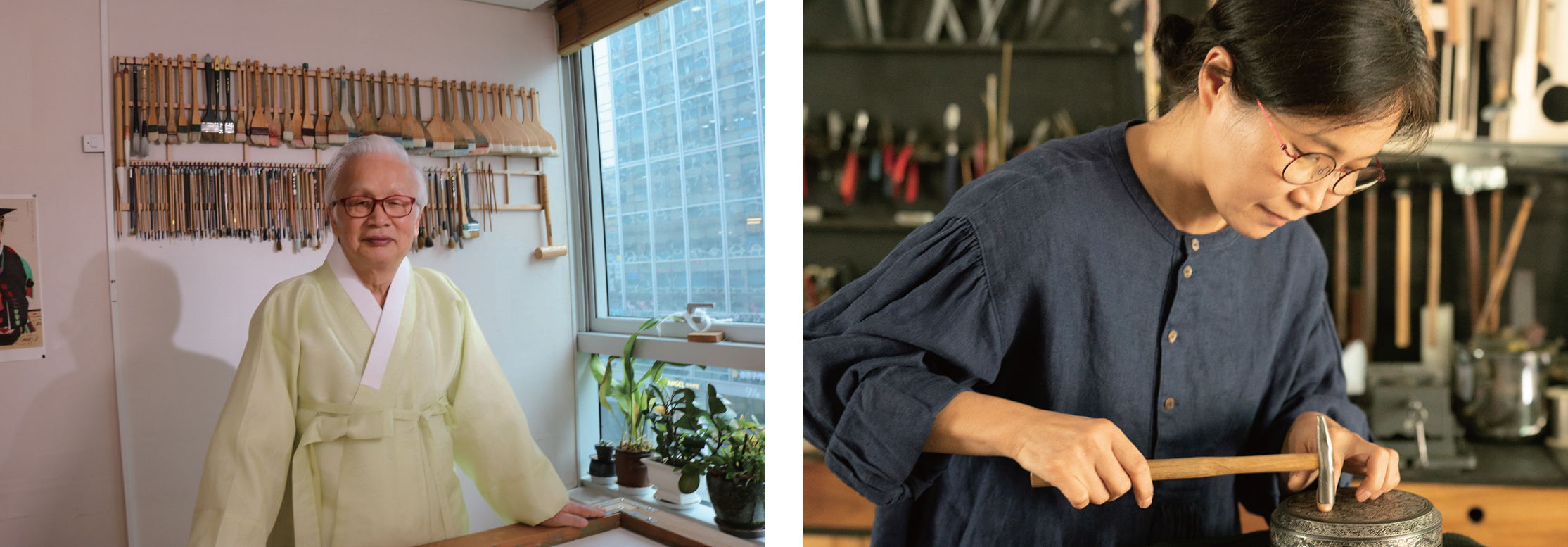
(left) Traditional painter Kwon Oh-chang, (right) Shin Sun-yi, a certified trainee of Ipsajang (Master of Silver or Gold Inlaying) Images courtesy of Arumjigi Foundation