
SPACE December2025 (No. 697)
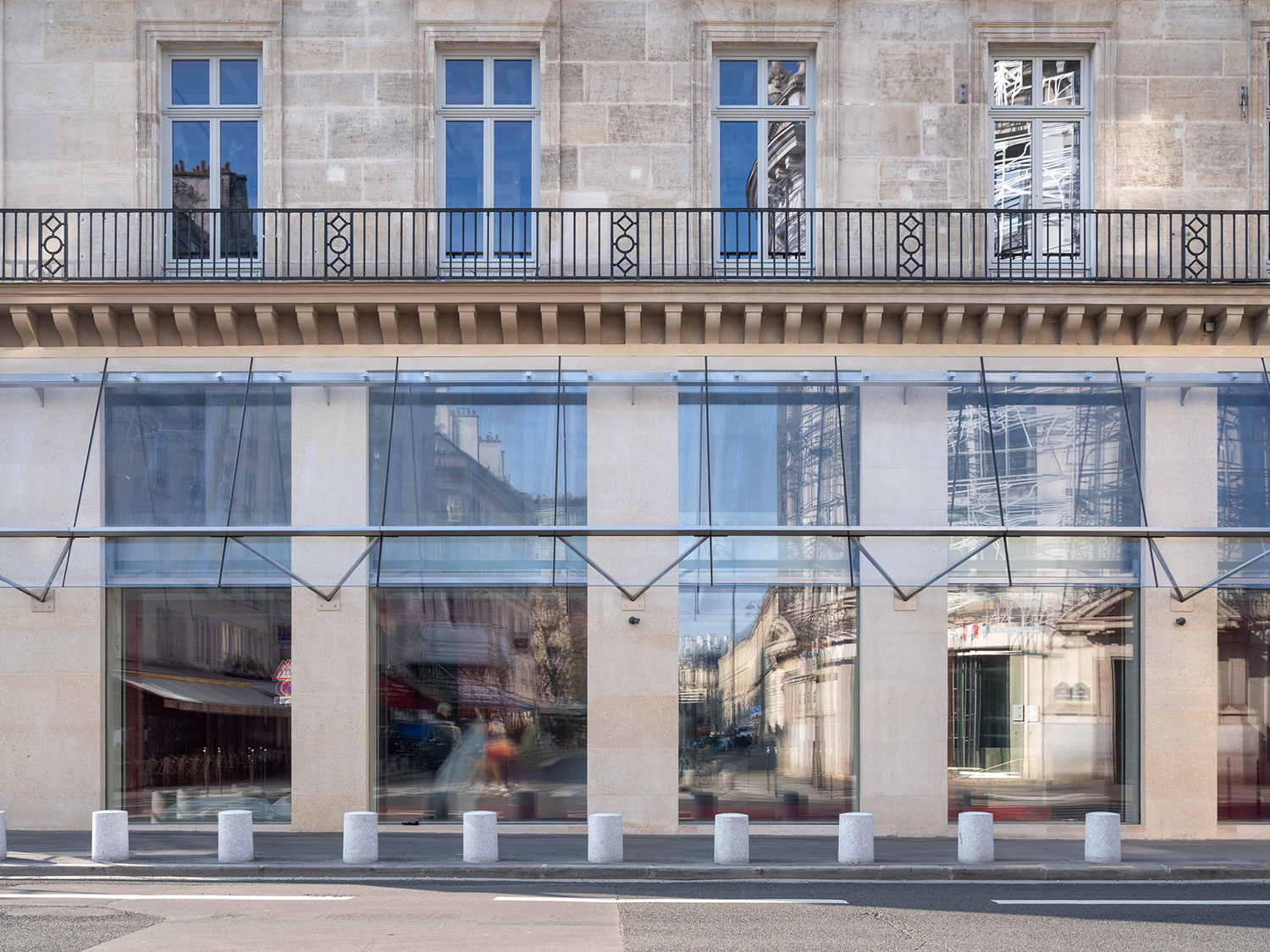
Exterior view of the Fondation Cartier pour l’art contemporain © Jean Nouvel Paris, ADAGP, 2025 © Martin Argyroglo
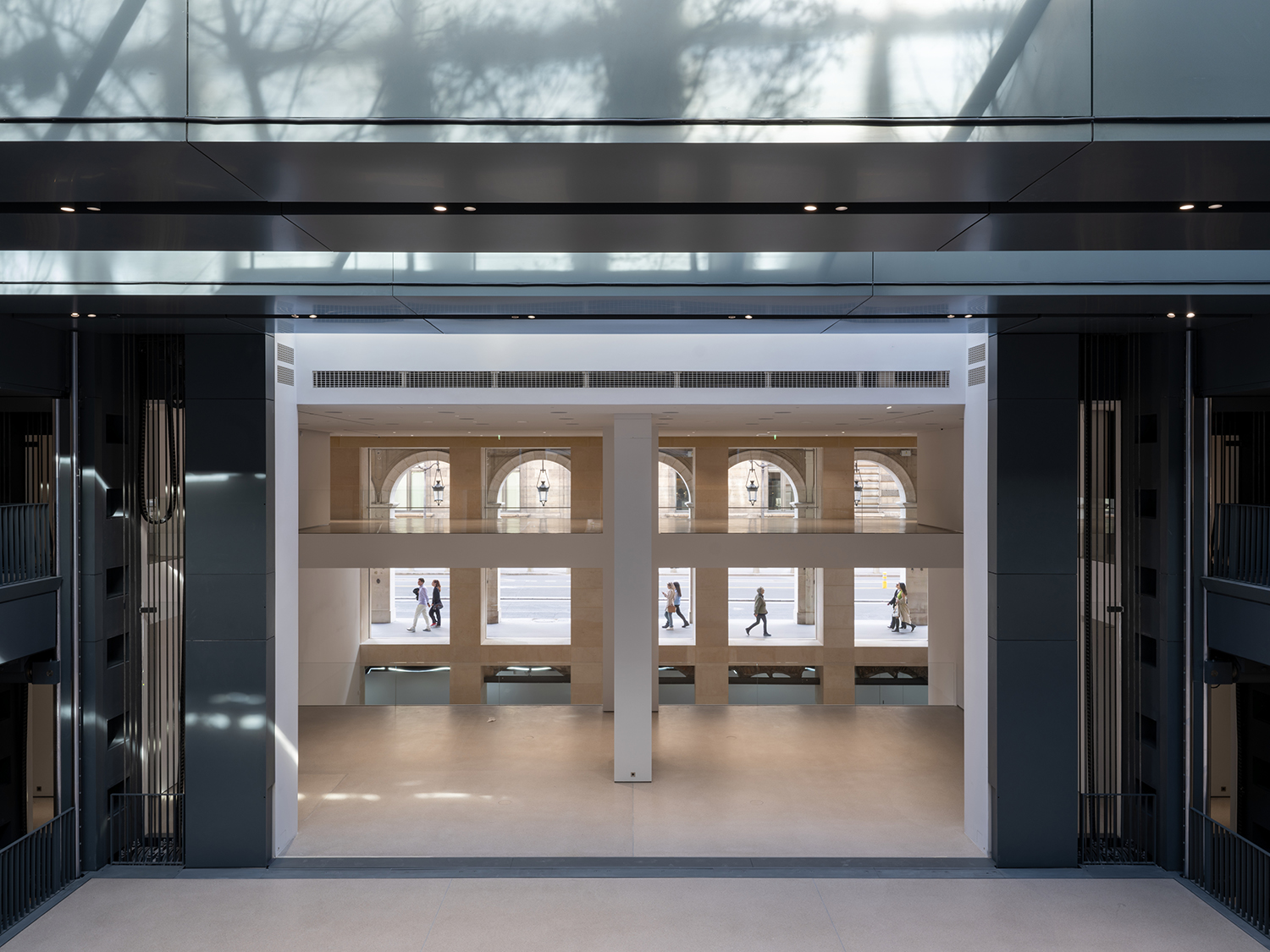
Interior view of the Fondation Cartier pour l’art contemporain © Jean Nouvel Paris, ADAGP, 2025 © Martin Argyroglo
On Oct. 25, Fondation Cartier pour l’art contemporain celebrated its 40th anniversary by opening a new exhibition venue in the heart of Paris. Since its foundation in 1984 by Alain Dominique Perrin, then-president of Maison Cartier, this France’s first private foundation dedicated to contemporary art, has served as a laboratory for artistic experimentation and breaking down barriers between creative practices and fields of thought. The building first appeared in the small town of Jouy-en-Josas on the outskirts of Paris, then moved to their new building at 261 Boulevard Raspail designed by Jean Nouvel in 1994. This project is remarkable for his experiments with light and materials. Specifically, he blurred the building’s edges by overlaying a steel grid with glass and created an impression of a wall-less structure through continuous reflections of the surrounding landscape and visual transparency of the interior space. Thirty years after this collaboration, Jean Nouvel has returned to design the foundation’s third home. This time, instead of investigating optical devices, he has turned his attention to a ‘machine’. By adopting this kinetic mechanism, he has created an innovative space that is perpetually transformable and open.
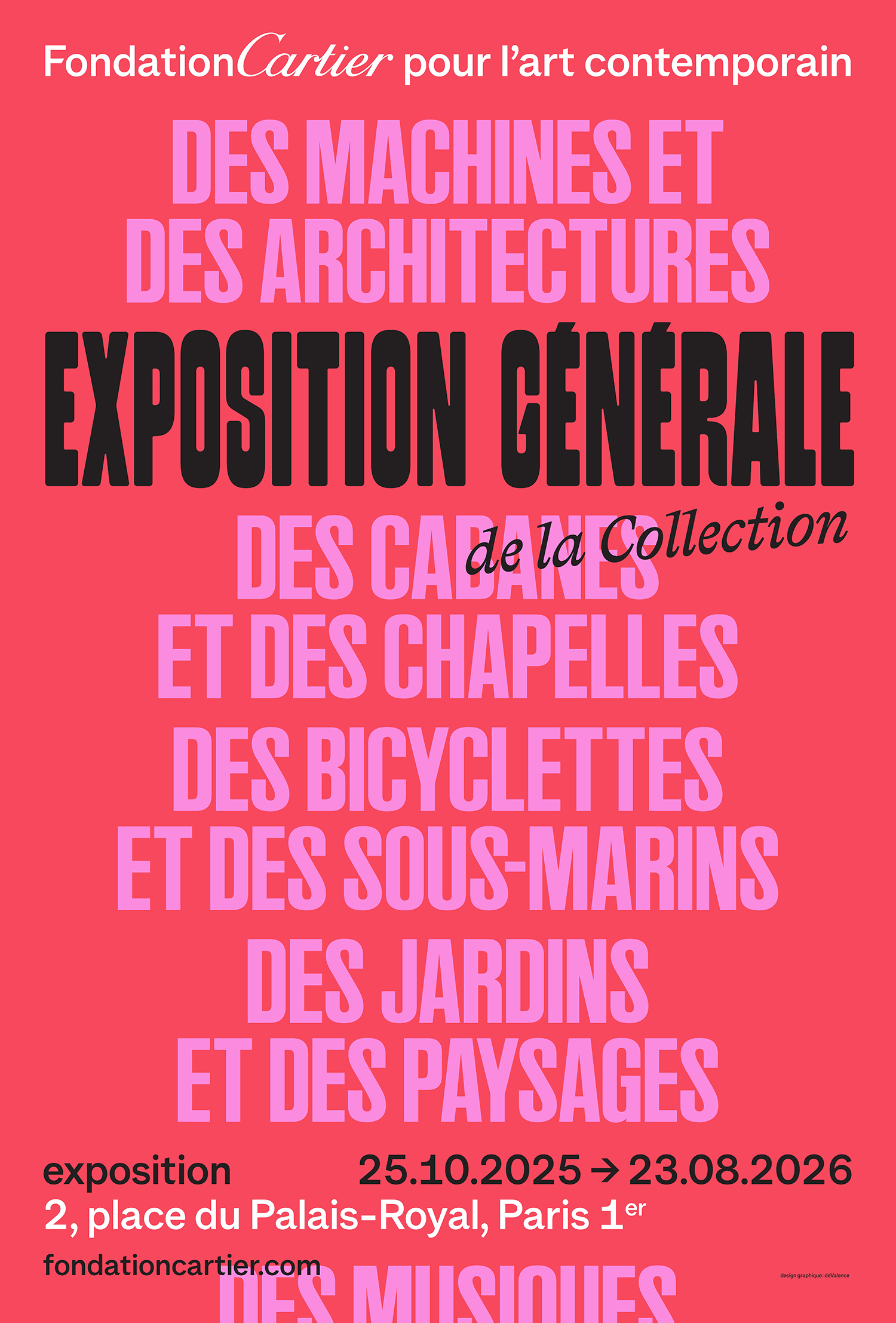
Poster of ‘Exposition Générale’ ©deValence
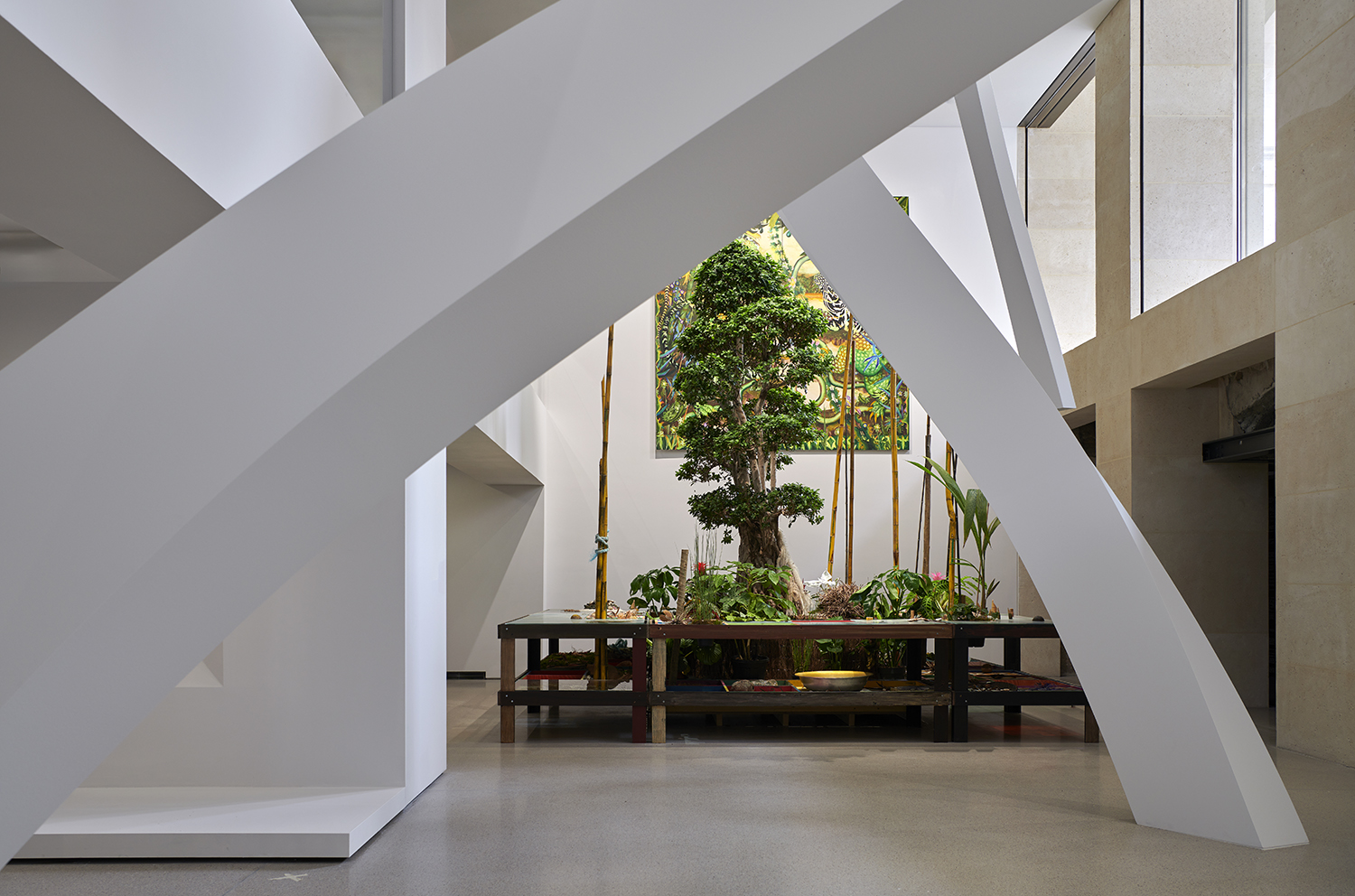
Exhibition view © Junya Ishigami, © Luiz Zerbini © Marc Domage
The title of the inaugural exhibition, ‘Exposition Générale’, is derived from the name of past merchandise and garments fairs once held in the former department store. While the original Paris Exposition Universelle marked a pivotal moment to reshape perceptions of material culture, this new exhibition reviews that historical layer in a contemporary context. The opening exhibition designed by FormaFantasma, staged atop Jean Nouvel’s mechanical platforms, is a reinterpretation of the experimental formats of 19th century commercial display through contemporary curatorial lens. This approach offers a critical reflection on the origins of the art museum within the legacy of commercial exhibitions. The exhibition is categorised into four sections: ‘Machines d’architecture’, ‘Être nature’, ‘Making Things’, and ‘Un monde réel’. Together, they encapsulate 40 years of contemporary creativity accumulated since the foundation’s establishment in 1984. Over 100 artists, including Claudia Andujar, James Turrell, Sarah Sze, Olga de Amaral, Junya Ishigami, Solange Pessoa, David Lynch, Annette Messager, Cai Guo-Qiang, Diller Scofidio + Renfro, Chéri Samba are participating in this exhibition and presenting more than 600 works. The exhibition runs through Aug. 23 2026.
Photo. © Martin Argyroglo © deValence © Marc Domage
공식홈페이지(fondationcartier.com) #까르띠에현대미술재단 @fondationcartier